
Ames Life Sciences Experiments: Plant Volatile Chamber
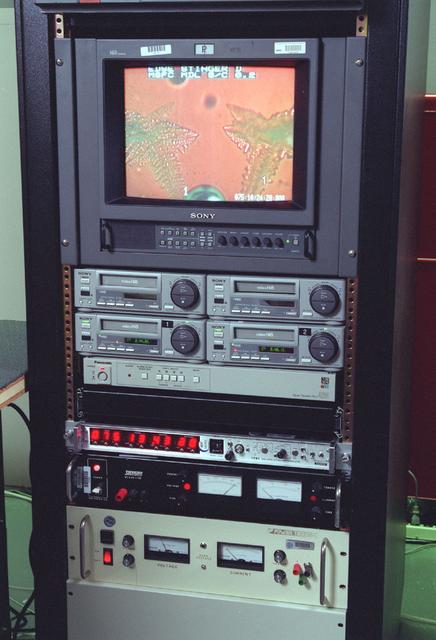
The Equiaxed Dendritic Solidification Experiment (EDSE) is a material sciences investigation under the Formation of Microstructures/pattern formation discipline. The objective is to study the microstructural evolution of and thermal interac…
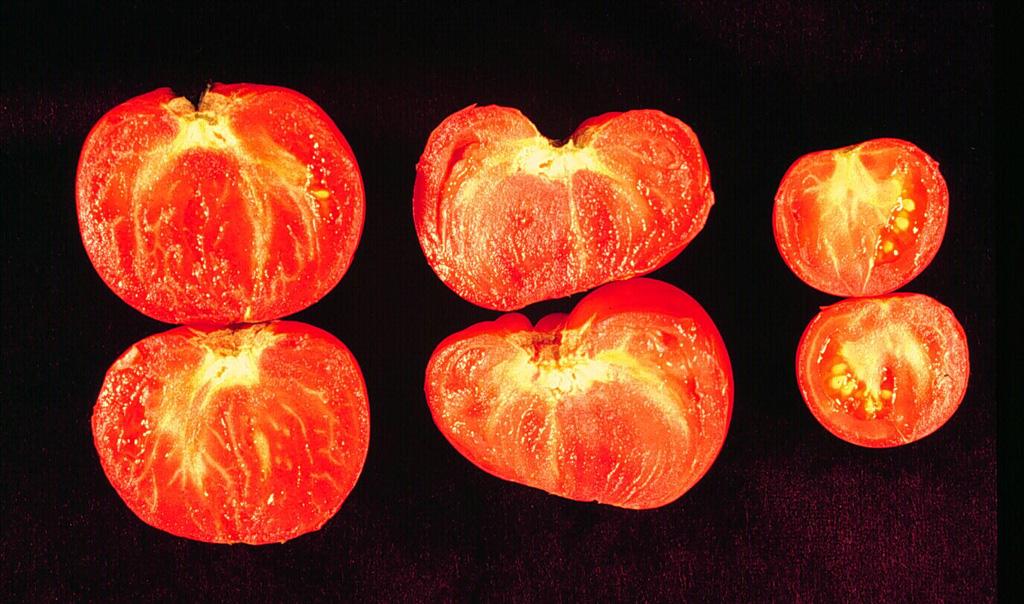
BioServe researcher Dr. Yi Li first flew plant experiments on board STS-63. Li discovered that exposure to microgravity increased a particular hormone concentration in plants. Since that time, Li has been able to manipulate this phenomenon…

Ames Life Sciences Experiments: Tilapia fish Aquaculture

Ames Life Sciences Experiments: Liquid cooling garment with Phil Culbertson

Ames Life Sciences Experiments: Polar gloves and vest
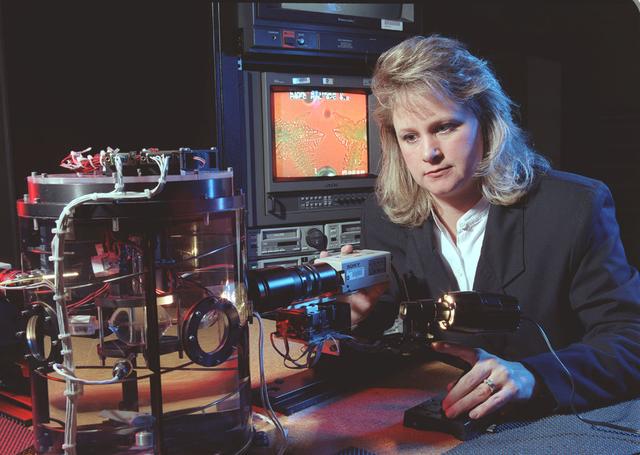
The Equiaxed Dendritic Solidification Experiment (EDSE) is a material sciences investigation under the Formation of Microstructures/pattern formation discipline. The objective is to study the microstructural evolution of and thermal interac…

Ames Life Sciences Experiments: free floater test bed
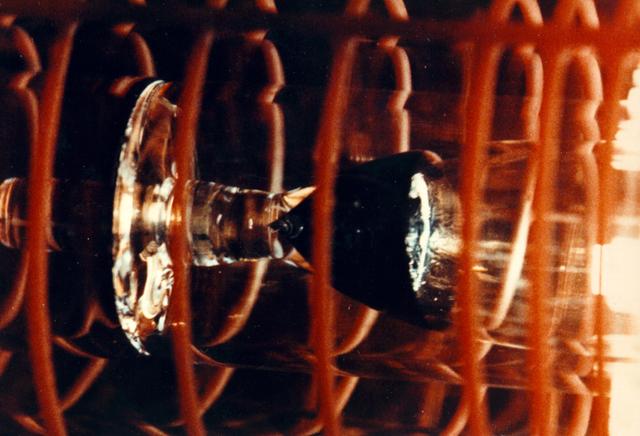
The objective of this facility is to investigate the potential of space grown semiconductor materials by the vapor transport technique and develop powdered metal and ceramic sintering techniques in microgravity. The materials processed or d…

Larry DeLucas with the (LBNP) Lower Body Negative Pressure Experiment onboard STS-50.

The Aristarchus region is one of the most diverse and interesting areas on the Moon. About 500 images from NASA's Clementine spacecraft were processed and combined into a multispectral mosaic of this region. http://photojournal.jpl.nasa.go…

STS050-291-027 (25 June-9 July 1992) --- Astronaut Bonnie J. Dunbar uses a Doppler to collect medical data from Lawrence J. DeLucas, payload specialist, during his diagnostic "run" in the Lower Body Negative Pressure device (LBNP). The Dop…
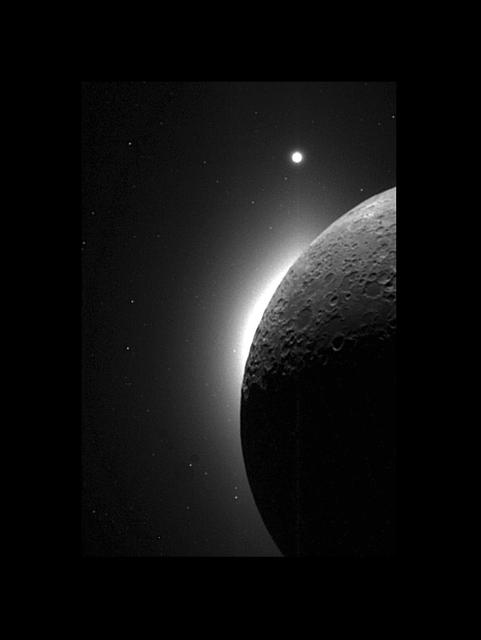
In 1994, during its flight, NASA's Clementine spacecraft returned images of the Moon. In addition to the geologic mapping cameras, the Clementine spacecraft also carried two Star Tracker cameras for navigation. These lightweight (0.3 kg) ca…

About 50,000 Clementine images were processed to produce the four orthographic views of the Moon. The images show albedo variations (normalized brightness or reflectivity) of the surface at a wavelength of 750 nm (just longward of visible r…

STS054-30-009 (13 Jan 1993) --- Astronaut Susan J. Helms communicates with ground controllers about the Commercial Generic Bioprocessing Apparatus (CGBA) on Endeavour's middeck. The mission specialist holds samples from the CGBA in her lef…

Ames Life Sciences Experiments: plant volatile chamber
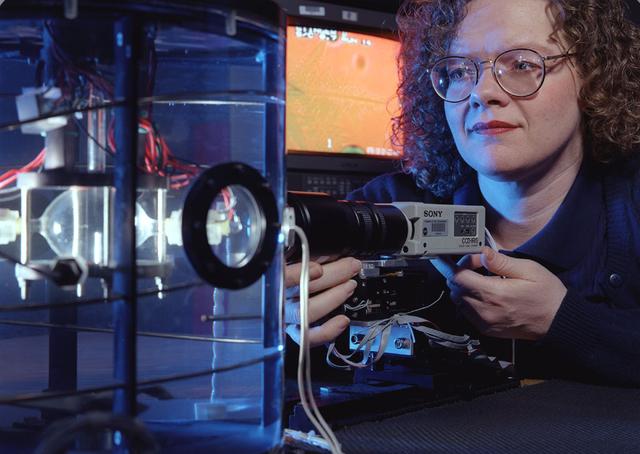
Jeri Briscoe of the video team inspects the optical system for proper alignment during a test run of the Equiaxed Dendritic Solidification Experiment (EDSE) located in the Microgravity Development Laboratory (MDL).
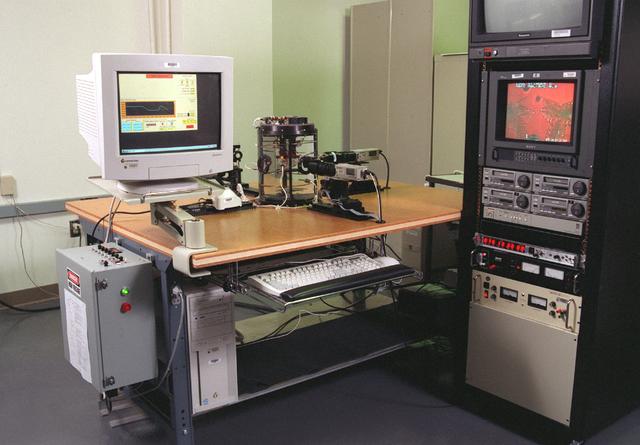
The Equiaxed Dendritic Solidification Experiment (EDSE) is a material sciences investigation under the Formation of Microstructures/pattern formation discipline. The objective is to study the microstructural evolution of and thermal interac…

Ames Life Sciences Experiments: Polar gloves and vest with Ann McMormack
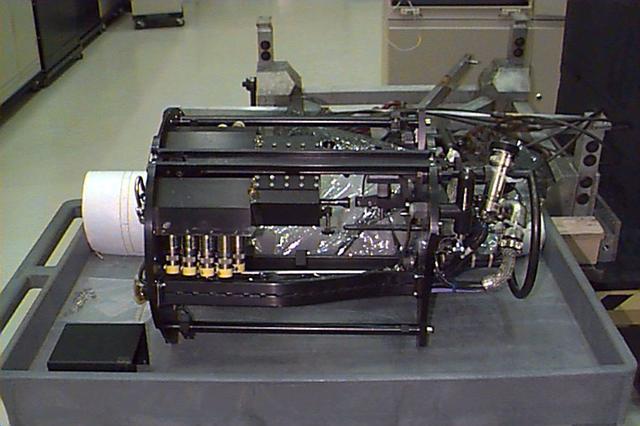
The Laminar Soot Processes (LSP) Experiment Mounting Structure (EMS) was used to conduct the LSP experiment on Combustion Module-1. The EMS was inserted into the nozzle on the EMS and ignited by a hot wire igniter. The flame and its soot em…

Ames Life Sciences Experiments: Craig VonWaaden, plant growth lab
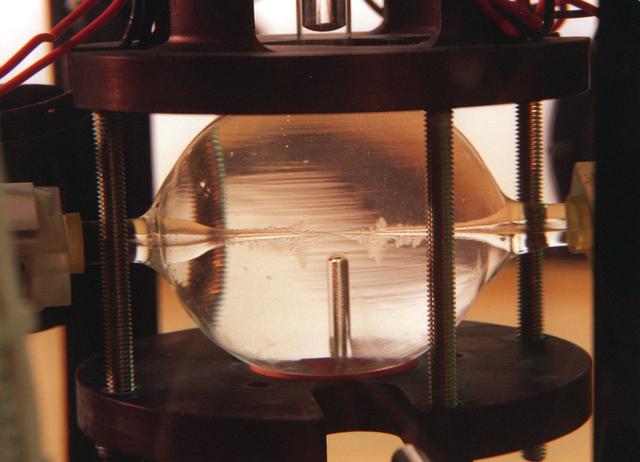
The Equiaxed Dendritic Solidification Experiment (EDSE) is a material sciences investigation under the Formation of Microstructures/pattern formation discipline. The objective is to study the microstructural evolution of and thermal interac…
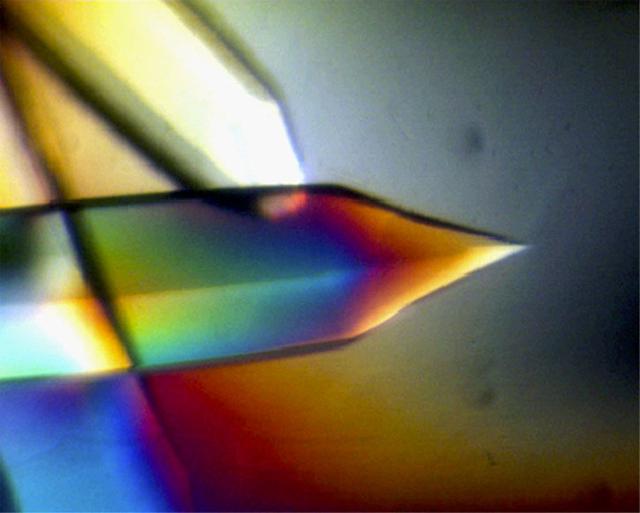
As the most abundant protein in the circulatory system albumin contributes 80% to colloid osmotic blood pressure. Albumin is also chiefly responsible for the maintenance of blood pH. It is located in every tissue and bodily secretion, with…

(STABLE) Suppression of Transient Accelerations by Leviation Evaluation
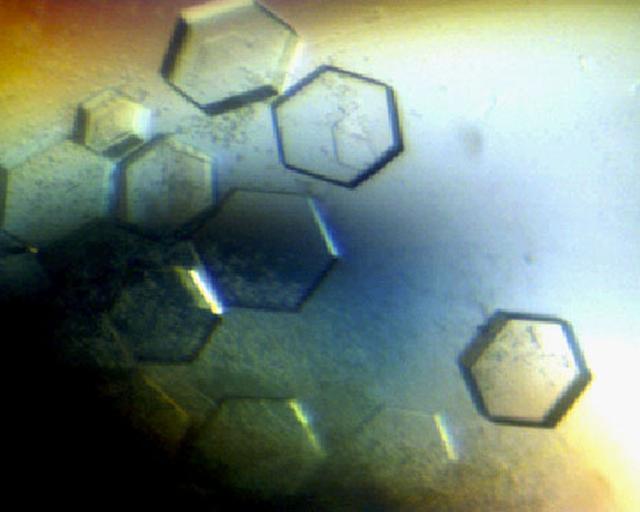
Type II restriction enzymes, such as Eco R1 endonulease, present a unique advantage for the study of sequence-specific recognition because they leave a record of where they have been in the form of the cleaved ends of the DNA sites where th…
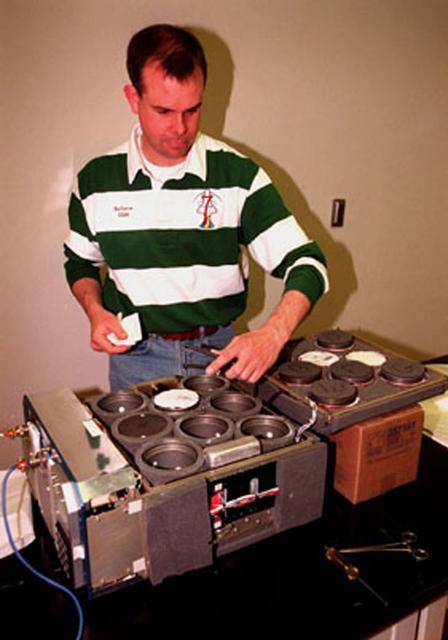
BioServe engineer Mark Rupert with the Version 3 Isothermal Containment Module containing the STS-93 experiment, NIH-B, being flown in cooperation with the National Institutes of Health (NIH).

Ames Life Sciences Experiments: Cedi Snowden at Silicon Graphics with AX-5 spacesuit glove

About 50,000 Clementine images were processed to produce the four orthographic views of the Moon. The images show albedo variations (normalized brightness or reflectivity) of the surface at a wavelength of 750 nm (just longward of visible r…

STS053-02-007 (2 - 9 Dec 1992) --- Astronaut Robert D. Cabana, pilot, uses a tonometer to check the intraocular pressure of astronaut Michael R. U. (Rich) Clifford, mission specialist. The two are on the Space Shuttle Discovery's mid-deck.…

Lunar mosaic of ~1500 Clementine images of the north polar region of the moon. The projection is orthographic centered on the north pole. The polar regions of the moon are of special interest because of the postulated occurrence of ice in p…

During its flight and lunar orbit, NASA’s Clementine spacecraft returned images of the planet Earth and the Moon. This collection of UVVIS camera Clementine images shows the Earth from the Moon and 3 images of the Earth. The image on the l…

Dr. Aggarwal installing a flight seed in the Fluid Experiment System.
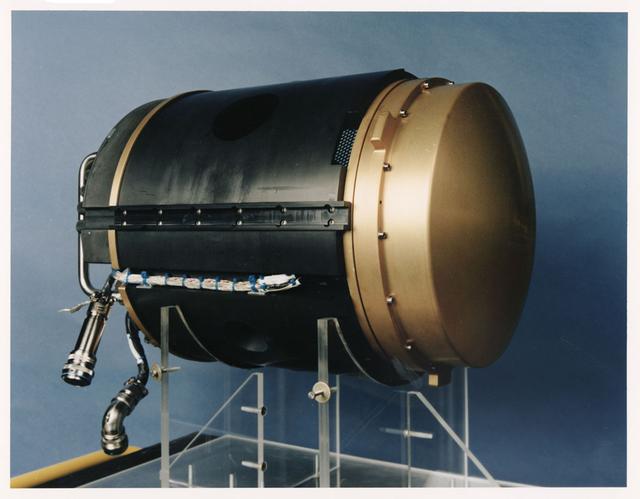
Structure Of Flame Balls At Low Lewis-numbers (SOFBALL) Experiment Mounting Structure (EMS) was used to conduct the SOFBALL experiment on Combustion Module-1. The EMS was inserted into the CM-1 combustion chamber. The chamber was filled wit…
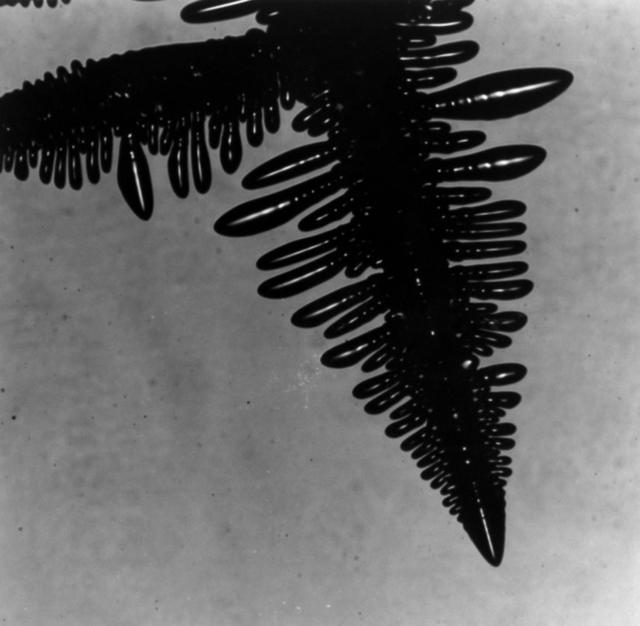
Typical picture of a dendrite: Notice how the branch on the left has no arms coming off the top. This is because of the convective forces (hot liquid rises) that the top of the branch is not solidifying (growing arms) like the bottom, coole…
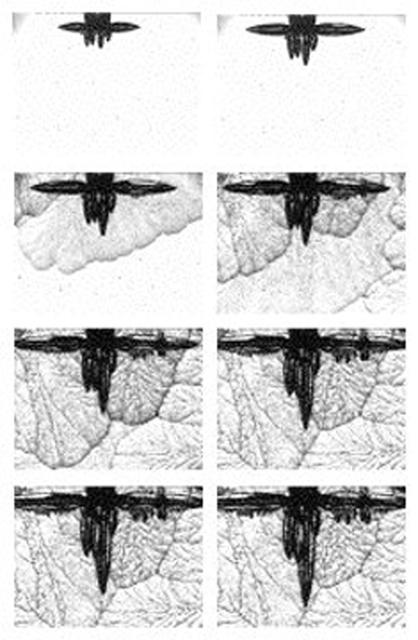
This series of images, captured during the mission, shows the growth of a dendrite in the IDGE. Flown on STS-84 USMP-4.
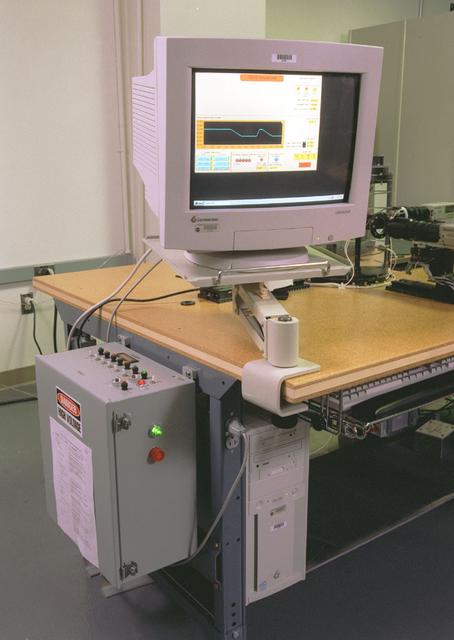
The Equiaxed Dendritic Solidification Experiment (EDSE) is a material sciences investigation under the Formation of Microstructures/pattern formation discipline. The objective is to study the microstructural evolution of and thermal interac…
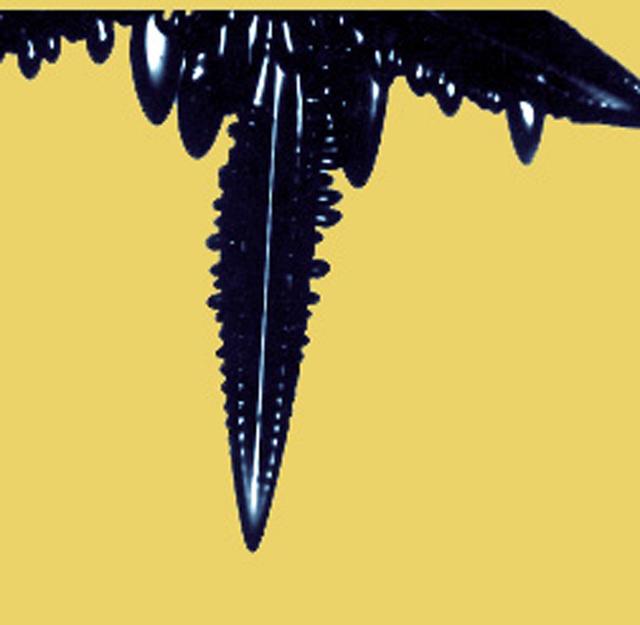
Researchers have found that as melted metals and alloys (combinations of metals) solidify, they can form with different arrangements of atoms, called microstructures. These microstructures depend on the shape of the interface (boundary) bet…
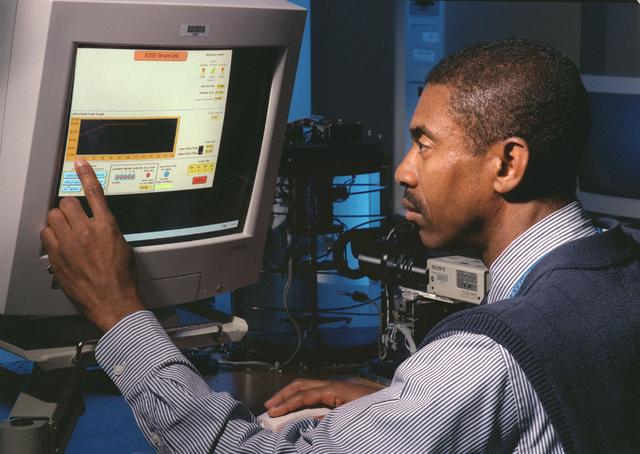
The Equiaxed Dendritic Solidification Experiment (EDSE) is a material sciences investigation under the Formation of Microstructures/pattern formation discipline. The objective is to study the microstructural evolution of and thermal interac…
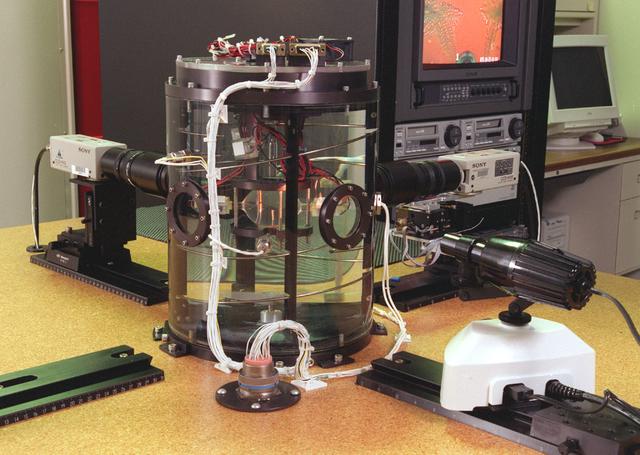
The Equiaxed Dendritic Solidification Experiment (EDSE) is a material sciences investigation under the Formation of Microstructures/pattern formation discipline. The objective is to study the microstructural evolution of and thermal interac…

Ames Life Sciences Experiments: Tilapia fish Aquaculture
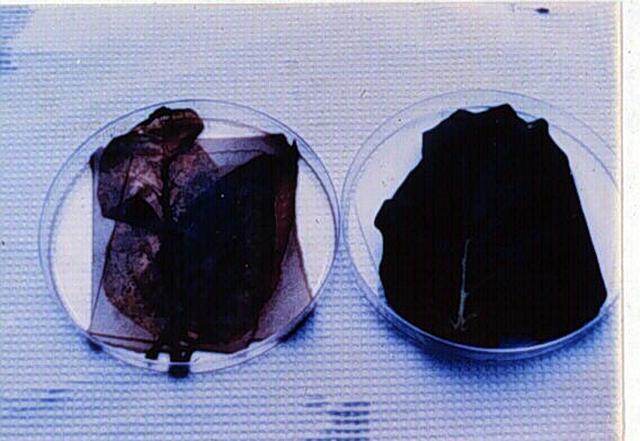
Researcher Dr. Yi Li developed a technique to manipulate certain characteristics of plant growth such as anit-senescence. For example, the tobacco leaf was clipped from a transgenic plant (right), and a wildtype plant (left). During ground-…
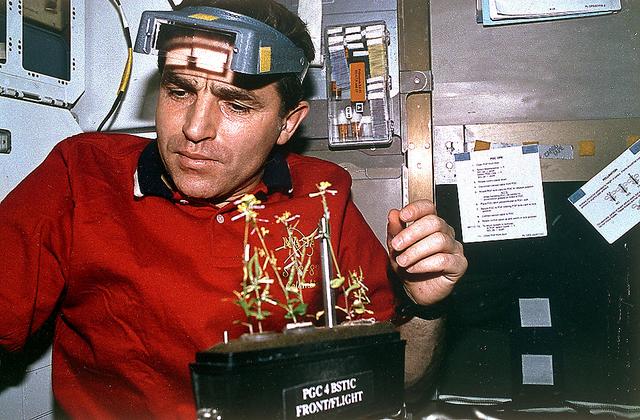
Onboard Space Shuttle Columbia (STS-87) mid-deck, Leonid Kadenyuk, Ukrainian payload specialist, works with the Brassica rapa plants being grown for the Collaborative Ukrainian Experiment (CUE). Kadenyuk joined five astronauts for 16-days i…
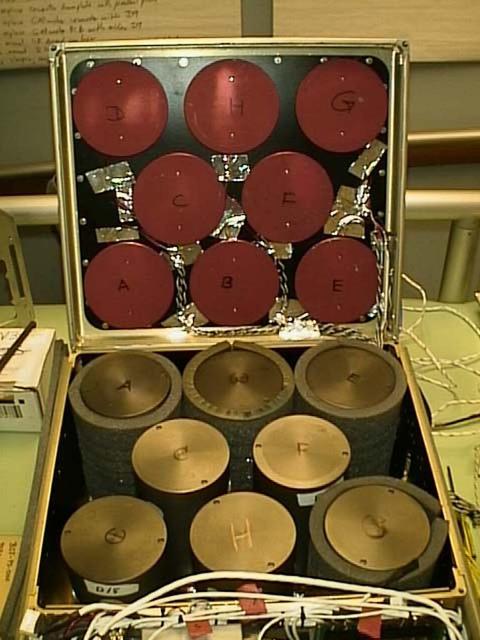
Isothermal Containment Modules are the temperature-controlling carrier that BioServe built to carry Commercial Generic Bioprocessing Apparatus (CGBA) and in the future, Space Automated Bioproduct Lab (SABL) to the International Space Statio…

Marshall Space Flight Center’s (MSFC) director, Dr. Wernher von Braun (right), inspects a component of a laser experiment being conducted in MSFC’s Space Sciences Laboratory during a tour on August 28, 1967.
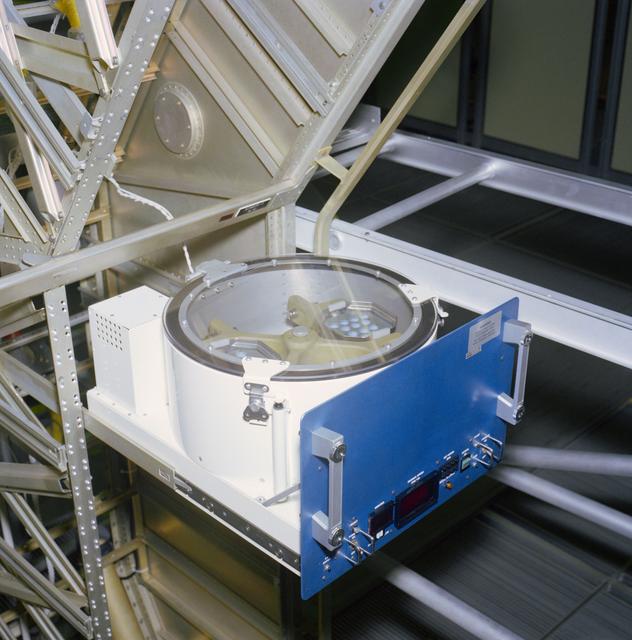
S81-25565 (Feb 1981) --- Expected to be a busy item of flight hardware on the Spacelab Life Sciences (SLS-1) mission is this low-gravity centrifuge. To be flown onboard Columbia for STS-40, the centrifuge is able to simulate several grav…

Lunar mosaic of ~1500 Clementine images of the south polar region of the moon. The projection is orthographic, centered on the south pole. The Schrodinger Basin (320 km in diameter) is located in the lower right of the mosaic. Amundsen-Gans…

About 50,000 Clementine images were processed to produce the four orthographic views of the Moon. The images show albedo variations (normalized brightness or reflectivity) of the surface at a wavelength of 750 nm (just longward of visible r…

STS030-10-003 (4-8 May 1989) --- An overall scene of the onboard materials science project for STS-30. Seen is the fluids experiment apparatus, supported by an accompanying computer and an 8mm camcorder for its operation. Another major co…