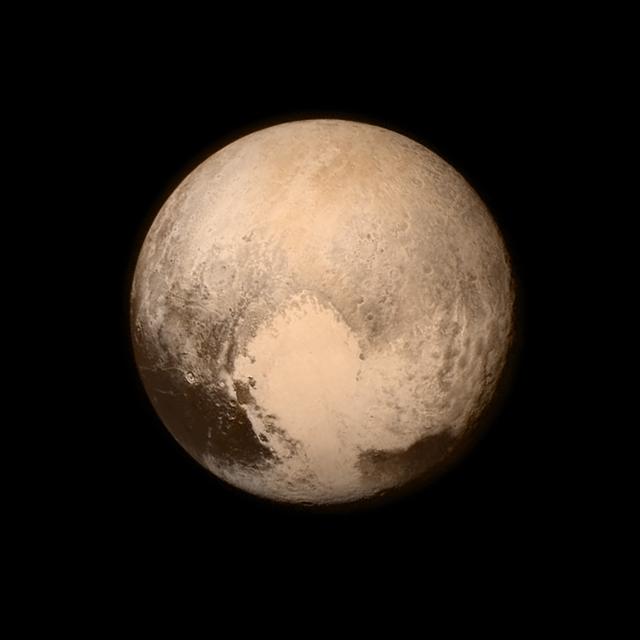
Pluto nearly fills the frame in this image from the Long Range Reconnaissance Imager (LORRI) aboard NASA’s New Horizons spacecraft, taken on July 13, 2015, when the spacecraft was 476,000 miles (768,000 kilometers) from the surface. This is…

art002e016299 (April 6, 2026) - Earthrise captured from a camera mounted on one of the Orion spacecraft’s solar array wings at 7:22 p.m. ET during the Artemis II crew’s flyby of the Moon’s far side. Earth appears as a delicate sliver - with…

art002e012632 (April 6, 2026) - The Artemis II crew captures the Moon's curved limb during their journey around the far side of the Moon.
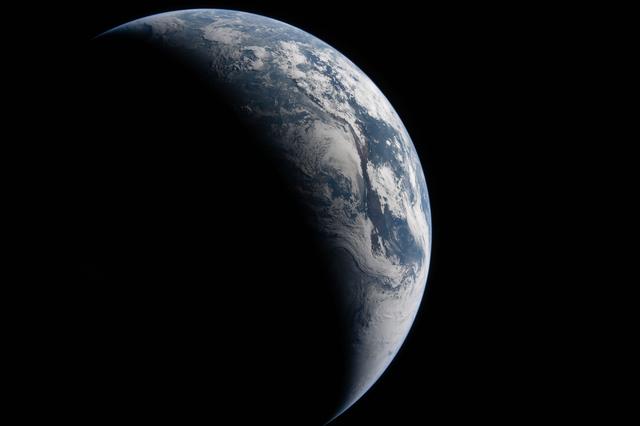
art002e023314 (April 2, 2026) – The Artemis II crew captured this view of Earth from approximately 43,500 miles (70,000 kilometers) away. Sunlight illuminates a portion of the planet while much of Earth remains in shadow, creating a curved…
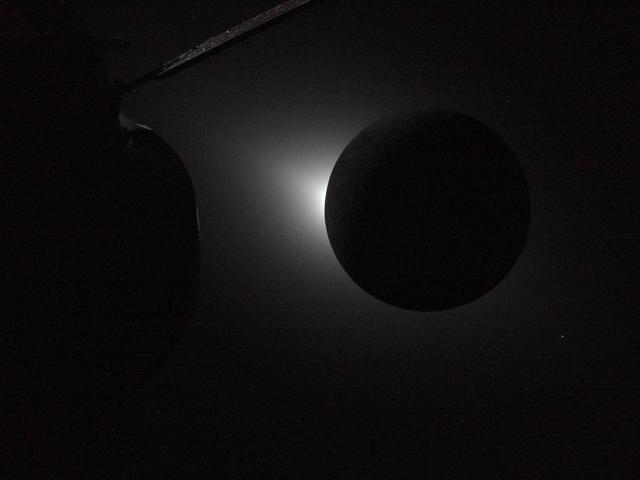
art002e016331 (April 7, 2026) – A vehicle camera mounted on NASA’s Orion spacecraft captured this view of sunset as the Sun slipped behind part of the spacecraft. The Sun’s bright glow outlines the spacecraft in silhouette, while the faint…
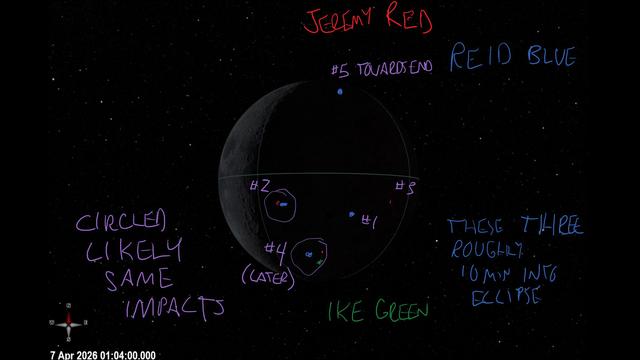
art002e016252 (April 7, 2026) –A screenshot from an Artemis II crew member’s tablet shows handwritten annotations made during the lunar flyby on April 6, 2026, atop a visualization of the dark Moon eclipsing the Sun. Three crew members, wh…
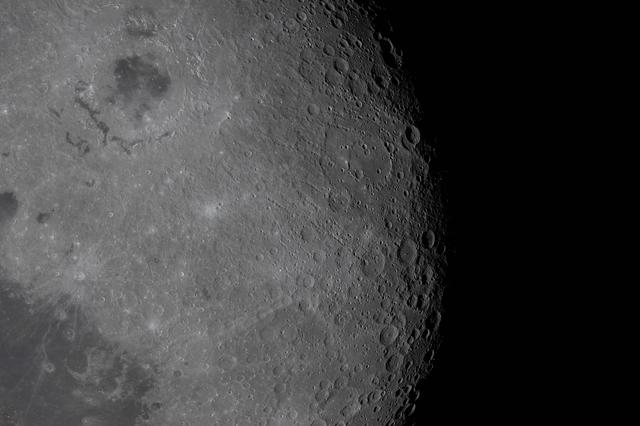
art002e009591 (April 6, 2026) – The Artemis II crew captured this view of Glushko crater and the surrounding terrain during their lunar flyby. Glushko’s bright surface and rays stand out against the surrounding terrain, while shadows along…
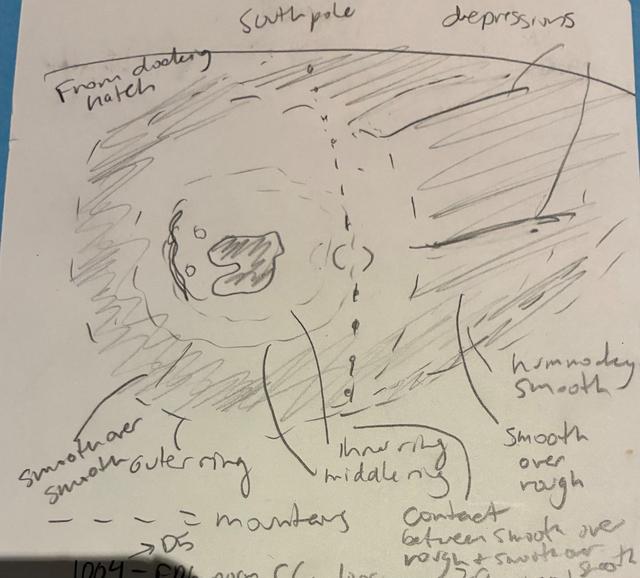
art002e050885 (April 6, 2026) – Artemis II crew member Christina Koch sketched the Orientale basin as observed through Orion’s docking hatch during the lunar flyby. Her in-flight annotation documents differences in texture across the basin…
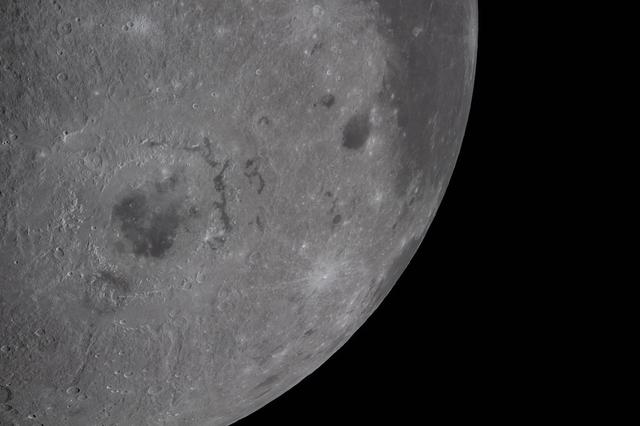
art002e019914 (April 6, 2026) – The Artemis II crew captured this close-up view of the Moon’s southwestern limb during lunar flyby observation operations. The view highlights variations in brightness across the lunar surface and features in…

art002e009287 (April 6, 2026) – Earth sets at 6:41 p.m. EDT, April 6, 2026, over the Moon’s curved limb in this photo captured by the Artemis II crew during their journey around the far side of the Moon. Orientale basin is perched on the ed…

art002e009562 (April 6, 2026) - The Orion spacecraft is seen in the foreground lit up by the Sun. A waxing gibbous Moon is visible in the background. Orientale basin, a 600-mile-wide impact crater ringed by mountains, is visible toward the…

art002e009278 (April 6, 2026) - Just over half of the Moon fills the left half of the image. The near side, characterized by the dark patches of ancient lava, is visible on the top third of the lunar disk. Orientale basin, a round crater in…

art002e009292 (April 6, 2026) – CSA (Canadian Space Agency) astronaut and Artemis II Mission Specialist Jeremy Hansen is seen taking images through the Orion spacecraft window early in the Artemis II lunar flyby. Hansen and his fellow cre…

art002e009286 (April 6, 2026) – As the Artemis II crew came close to passing behind the Moon and experiencing a planned loss of signal, they captured this image of a crescent Earth setting on the Moon’s limb. The edge of the visible surface…

art002e012090 (April 6, 2026) - In this view of the Moon, the Artemis II crew captured an intricate snapshot of the rings of the Orientale basin, one of the Moon’s youngest and best-preserved large impact craters on his first shift during t…

art002e009282 (April 6, 2026) - A close-up view taken by the Artemis II crew of Vavilov Crater on the rim of the older and larger Hertzsprung basin. The right portion of the image shows the transition from smooth material within an inner ri…

Galileo spacecraft image of the Moon recorded at 9:35 am Pacific Standard Time (PST), 12-09-90, after completing its first Earth Gravity Assist. Western hemisphere of the Moon was taken through a green filter at a range of about 350,000 mil…

art002e016277 (April 6, 2026) - NASA’s Orion spacecraft captures the Moon and the Earth in one frame during the Artemis II crew’s deep space journey at 6:39 p.m. ET on the sixth day of the mission. The right side of NASA’s Orion spacecraft…

art002e020922 (April 6, 2026) – As the Artemis II crew came close to passing behind the Moon and experiencing a planned loss of signal, they captured this image of a crescent Earth. Seen from afar, it almost looks like a circular arc – exce…
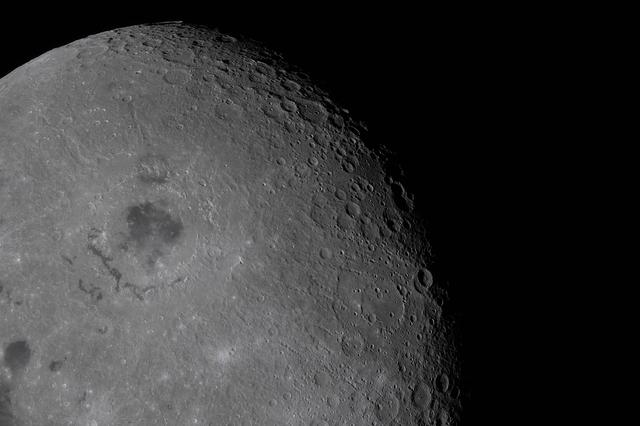
art002e009594 (April 6, 2026) – The Artemis II crew captured this view of the Moon’s Orientale basin during the lunar flyby. The basin stands out as a broad, circular feature surrounded by rugged terrain. Near the Moon’s limb, sunlight stri…
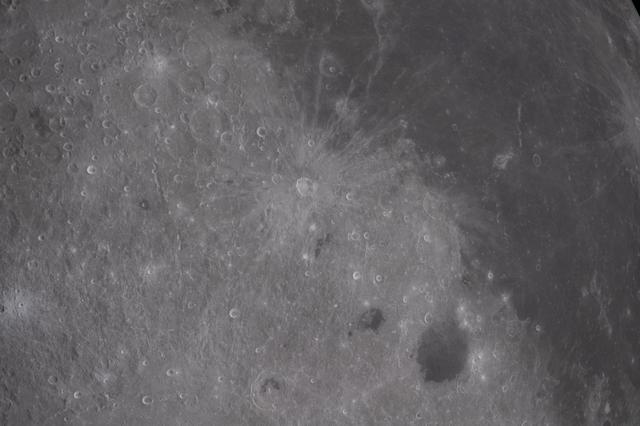
art002e012216 (April 6, 2026) – The Artemis II crew captured this view across the transition between the Moon’s near side and far side during their lunar flyby. Bright, densely cratered terrain contrasts with darker volcanic plains, while l…

art002e021007 (April 6, 2026) – Earthset captured through the Orion spacecraft window at 6:37 p.m. EDT, April 6, 2026, during the Artemis II crew’s flyby of the Moon. A muted blue Earth with bright white clouds sets behind the cratered luna…
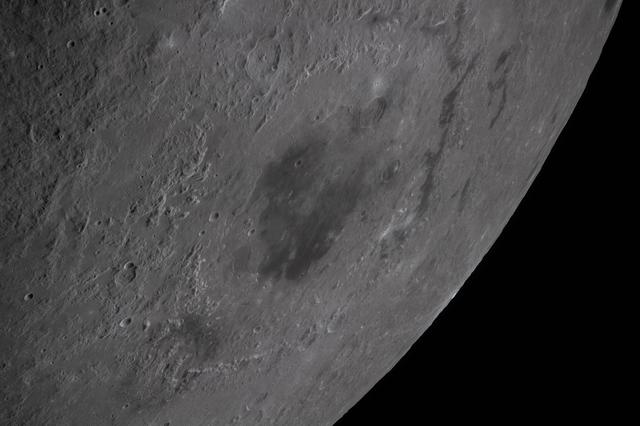
art002e010230 (April 6, 2026) – The Artemis II crew captured this angled view of the Moon’s Orientale basin during their lunar flyby. Darker material within the basin contrasts with the brighter surrounding terrain, while shadows and variat…
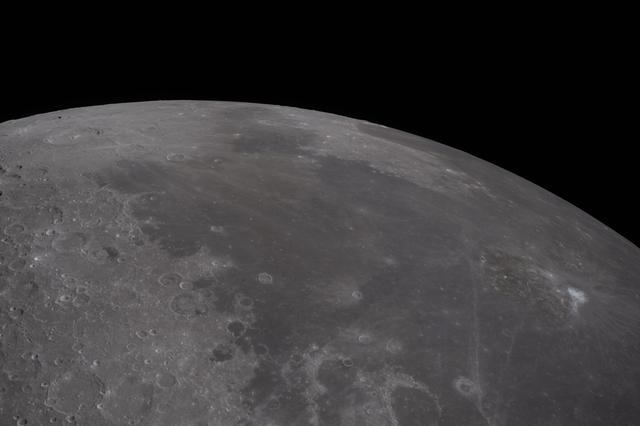
art002e012228 (April 6, 2026) – The Artemis II crew captured this view while observing volcanic terrain across the Moon’s near side-far side transition. The astronauts noted differences in color and brightness among volcanic regions, includ…
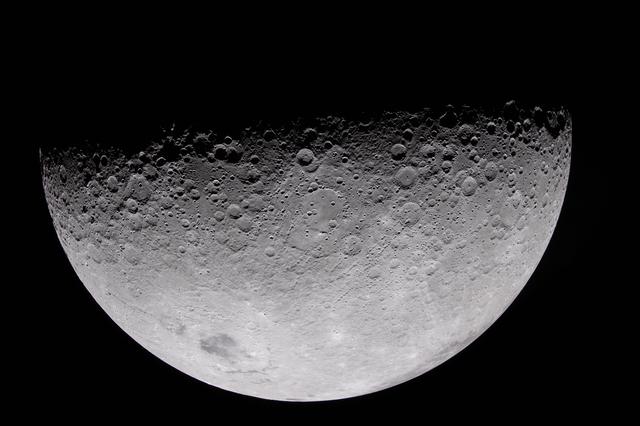
art002e010327 (April 6, 2026) – The Artemis II crew captured this view of Vavilov crater and the surrounding terrain during their lunar flyby. Brightly illuminated terrain contrasts with deep shadow along the upper edge of the Moon, where l…

art002e024232 (April 6, 2026) - This photo of the Moon was captured by the Artemis II crew aboard the Orion spacecraft a few hours before the lunar flyby. During the flyby, the crew captured critical science observations as they traveled ar…
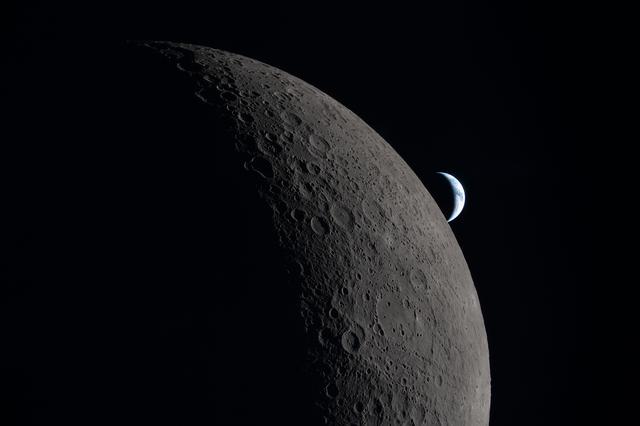
art002e021169 (April 6, 2026) - This photo of a crescent Moon and crescent Earth was taken by an Artemis II astronaut during lunar flyby on flight day 6. This captures one of the final moments before their loss of signal with Earth as the O…

art002e009566 (April 6, 2026) - NASA’s Orion spacecraft is seen in the foreground, lit up by the Sun. A first quarter Moon is visible behind it, with sunlight coming from the right. Near the bottom right edge of the Moon, Orientale basin st…

art002e010399 (April 6, 2026) During a lunar flyby observation period, the Artemis II crew captures craters dotting the surface of the Moon, revealing its rugged, ancient surface. This scarred landscape reflects a long history of cosmic col…

art002e012028 (April 6, 2026) - The Artemis II crew captured a close-up snapshot of the near side of the Moon as NASA’s Orion spacecraft approached for the lunar flyby. The near side, characterized by the dark patches of ancient lava, is vi…

art002e024603 (April 6, 2026) - The Moon appears half-illuminated in this photo captured by the Artemis II crew on flight day 6. The terminator -- the difference between light and darkness -- provides a stark contrast and even greater persp…

art002e009567 (April 6, 2026) - NASA’s Orion spacecraft captures the Moon and the Earth in one frame during the Artemis II crew’s deep space journey at 6:42 p.m. ET on the sixth day of the mission. The right side of NASA’s Orion spacecraft…
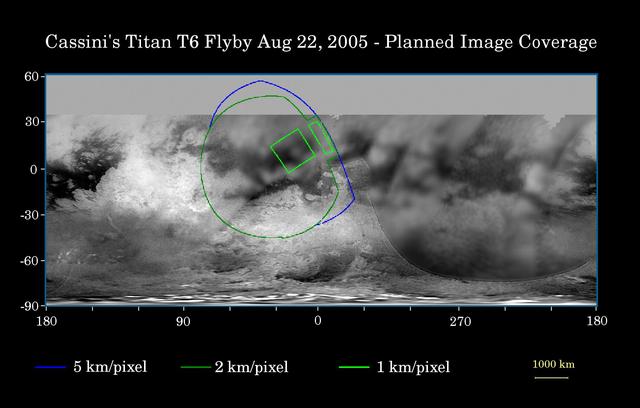
This map of Titan's surface illustrates the regions that will be imaged by Cassini during the spacecraft's close flyby of Titan on Aug. 22, 2005. At closest approach, the spacecraft is expected to pass approximately 3,800 kilometers (2,360…

S90-55753 (9 Dec. 1990) --- This color image of the Moon was taken by the Galileo spacecraft at 9:25 a.m. (PST) December 9, 1990, at a range of about 350,000 miles. The color composite uses monochrome images taken through violet, red, and n…

art002e019570 (April 7, 2026) – On flight day seven, following their lunar flyby, the Artemis II crew captured this view of a delicate crescent Moon on their journey back to Earth. Along the terminator—the boundary between lunar day and nig…
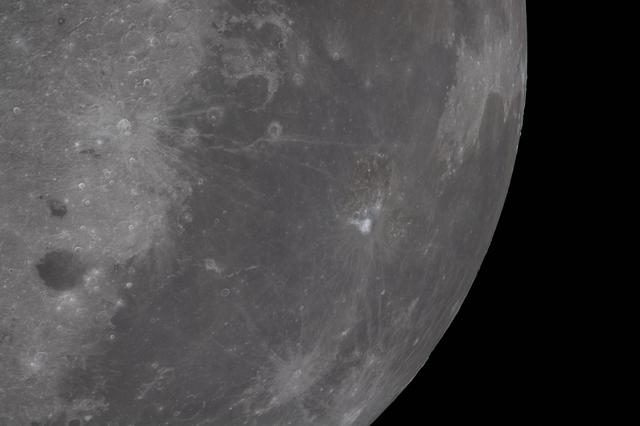
art002e024520 (April 6, 2026) – The Artemis II crew captured this view, which includes the Aristarchus Plateau, during their lunar flyby. Dark volcanic terrain contrasts with the brighter, heavily cratered surrounding surface. The plateau c…
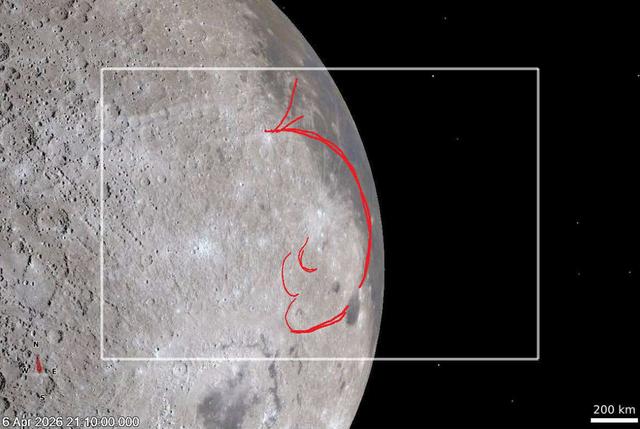
art002e009506 (April 6, 2026) – The Artemis II crew observed bright, curved features near the Moon’s limb during their lunar flyby. In an in-flight annotation, Artemis II commander Reid Wiseman marked the features in red to document their s…

art002e010232 (April 6, 2026) – During the lunar flyby observation period, the Artemis II crew captures a detailed image of the Orientale basin, a 600-mile-wide impact crater marked by a dark patch of ancient lava that erupted through the M…
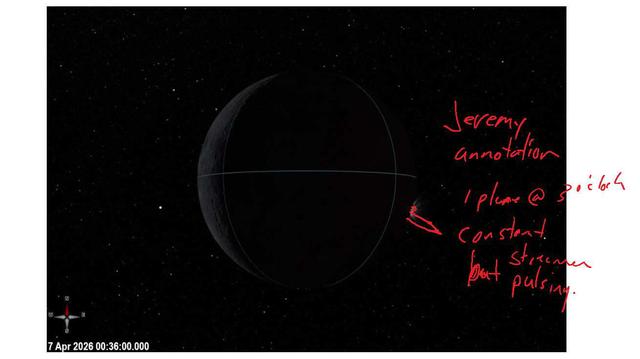
art002e009463 (April 7, 2026) – During the Artemis II lunar flyby, crew member Jeremy Hansen annotated this view to document a streamer that appeared to “pulsate” as the Sun moved behind the Moon. Hansen’s in-flight annotation marks the loc…
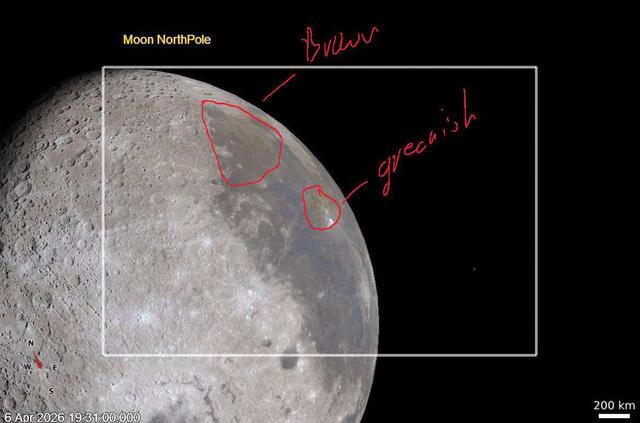
art002e009402 (April 7, 2025) A screenshot from an Artemis II crew member’s tablet from observations taken on April 6, 2026, with hand-written notes added atop a visualization of the Moon. On the right is the side we see from Earth — the ne…
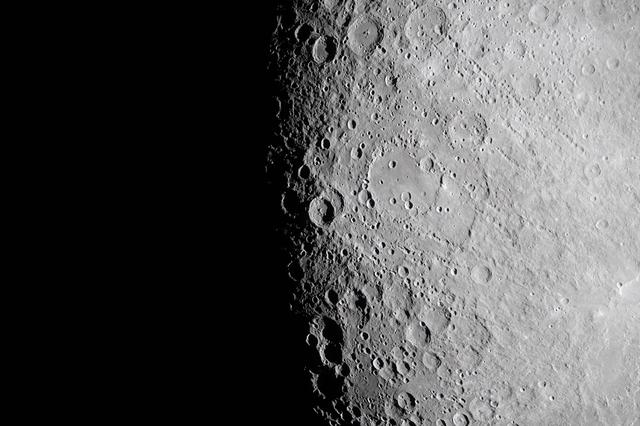
art002e010032 (April 6, 2026) – The Artemis II crew captured this view near Hertzsprung and Vavilov craters along the lunar terminator, the boundary between the Moon’s illuminated and shadowed regions. The low Sun angle casts deep shadows a…
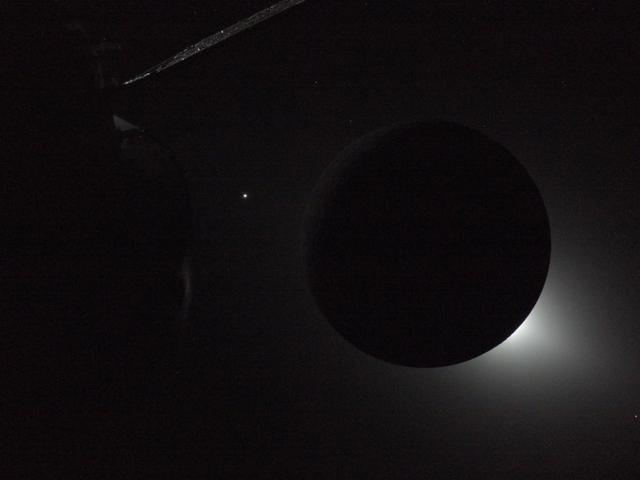
art002e016312 (April 7, 2026) – A vehicle camera mounted on NASA’s Orion spacecraft captured this view of lunar sunrise as the Sun emerged from behind the Moon. The Moon appears in silhouette as sunlight and the faint solar corona extend fr…

art001e000268 (Nov. 21, 2022) A portion of the far side of the Moon looms large just beyond the Orion spacecraft in this image taken on the sixth day of the Artemis I mission by a camera on the tip of one of Orion’s solar arrays. The spacec…

art002e021296 (April 6, 2026) – As the Artemis II crew flew around the far side of the Moon, they captured key scientific observations, photographs, videos, and records documenting critical observations to help scientists on the ground unde…

art002e009279 (April 6, 2026) – During their lunar flyby observation period, the Artemis II crew captured this image at 3:41 p.m. EDT, showing the rings of the Orientale basin, one of the Moon’s youngest and best-preserved large impact crat…

art002e024311 (April 6, 2026) - The Artemis II crew was tasked with capturing many key features visible in this image of the Moon, captured on flight day 6. The terminator, or the difference in light and darkness, is visible on the top left…

art002e021278 (April 6, 2026) – Echoing the iconic Earthrise photo captured by the Apollo 8 astronauts in 1968, during the lunar flyby, the Artemis II crew captured a shot of Earthset as they passed behind the Moon’s far side. It is one of…

art002e009284 (April 6, 2026) – Earth appears tiny as the Moon looms large in this photo taken by the Artemis II crew during their lunar flyby on April 6, 2026. Taken 36 minutes before Earthset, our home planet is visible in the blackness…