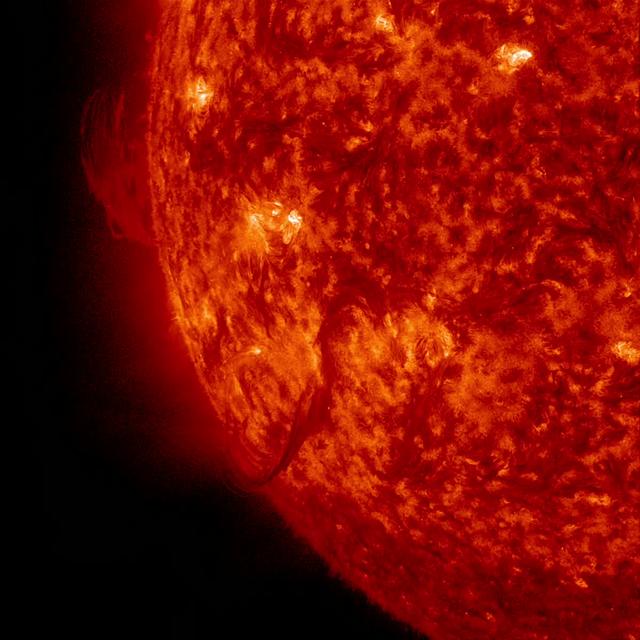
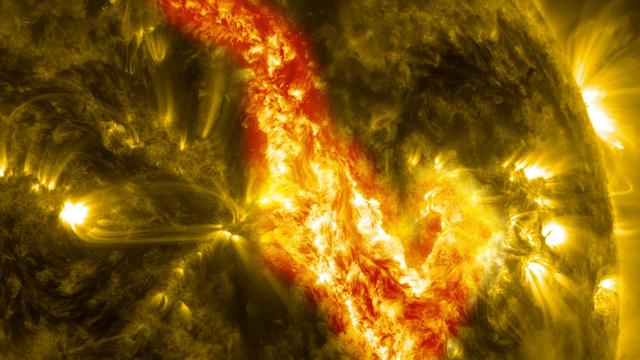
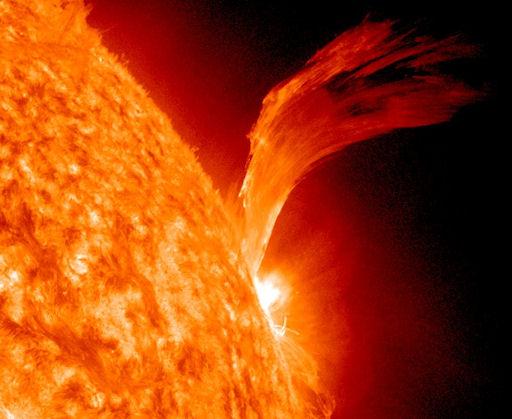
NASA image captured December 6, 2010 To view a video of this event go here: <a href="http://www.flickr.com/photos/gsfc/5258354738">www.flickr.com/photos/gsfc/5258354738</a> A very long solar filament that had been snaking around the Sun e…
A filament (which at one point had an eerie similarity to a snake) broke away from the sun and out into space (Nov. 1, 2014). The video covers just over three hours of activity. This kind of eruptive event is called a Hyder flare. These are…
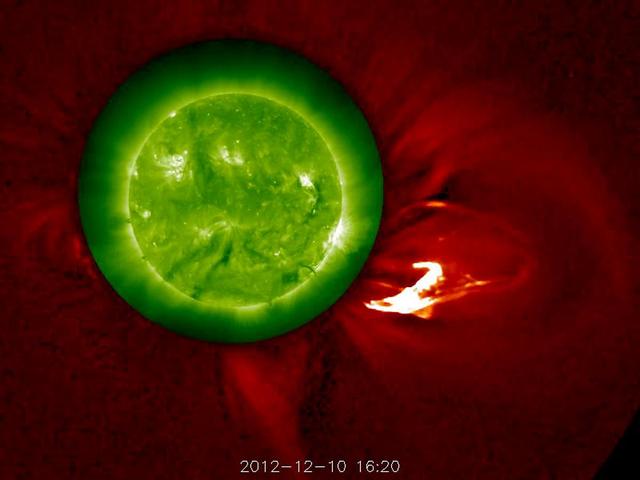
The Sun blows a robust prominence out into space (Dec. 10, 2102). The outer image, from the STEREO-A's COR1 coronagraph, has been changed from green to red to complement the green Sun image, taken in extreme UV light. The movie covers six h…
NASA Image acquired March 24, 2010 To learn more and to download a high res version of this image go here: <a href="http://earthobservatory.nasa.gov/IOTD/view.php?id=43252" rel="nofollow">earthobservatory.nasa.gov/IOTD/view.php?id=43252</…
A magnetic filament of solar material erupted on the sun in late September, breaking the quiet conditions in a spectacular fashion. The 200,000 mile long filament ripped through the sun's atmosphere, the corona, leaving behind what looks li…
NASA’s Solar Dynamics Observatory caught this image of an eruption on the side of the sun on June 18, 2015. The eruption ultimately escaped the sun, growing into a substantial coronal mass ejection, or CME — a giant cloud of solar material…
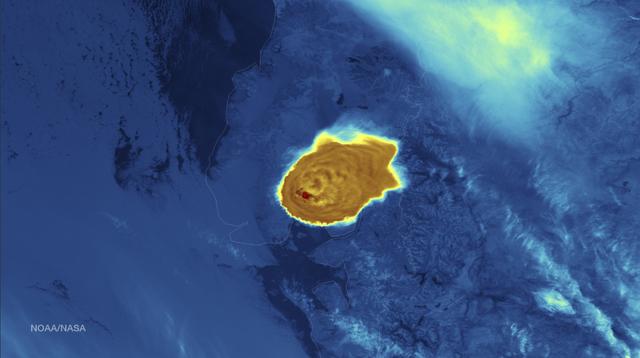
Calbuco Volcano in southern Chile has erupted for the first time since 1972, with the last major eruption occurring in 1961 that sent ash columns 12-15 kilometers high. This image was taken by the Suomi NPP satellite's VIIRS instrument in a…
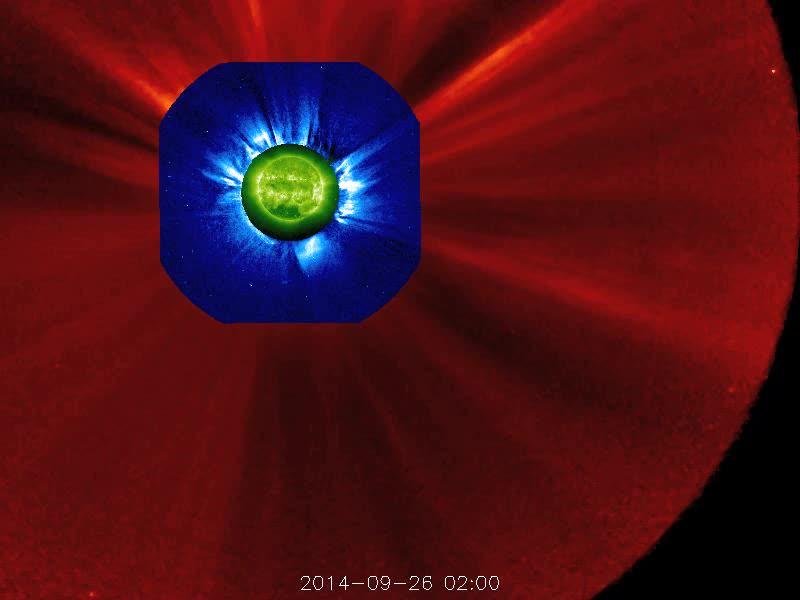
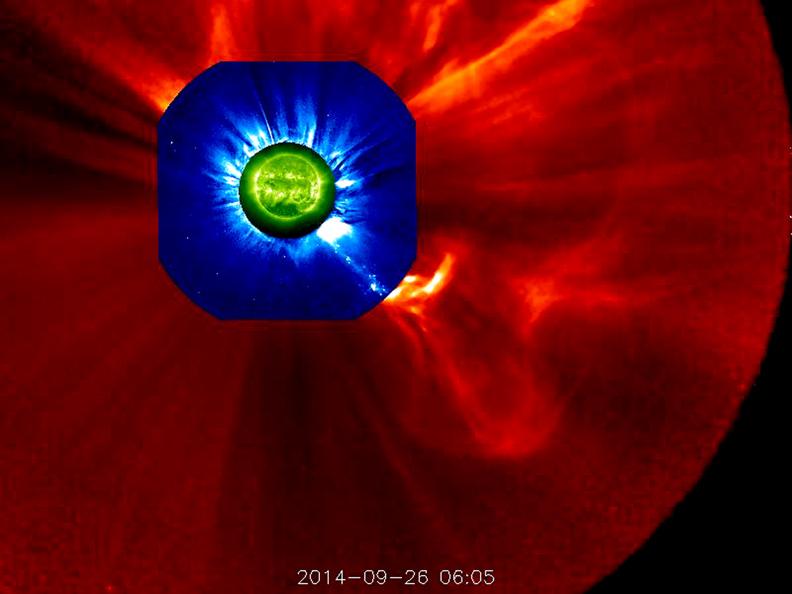
The STEREO (Behind) spacecraft captured this large prominence and corona mass ejection as they erupted into space (Sept. 26, 2014). By combining images from three instruments, scientists can see the eruption itself (in extreme UV light) as…
Spectacular eruption: On June 7, 2011, SDO captured this image as a massive eruption lifted an enormous amount of cool, dark material into the corona. Most of that material fell back onto the sun, where the gravitational energy of the fall…
Watch a video from this event here: <a href="https://www.flickr.com/photos/gsfc/14118958800/">www.flickr.com/photos/gsfc/14118958800/</a> A coronal mass ejection, or CME, surged off the side of the sun on May 9, 2014, and NASA's newest sol…
Watch a video from this event here: <a href="https://www.flickr.com/photos/gsfc/14118958800/">www.flickr.com/photos/gsfc/14118958800/</a> A coronal mass ejection, or CME, surged off the side of the sun on May 9, 2014, and NASA's newest sol…
Watch a video from this event here: <a href="https://www.flickr.com/photos/gsfc/14118958800/">www.flickr.com/photos/gsfc/14118958800/</a> A coronal mass ejection, or CME, surged off the side of the sun on May 9, 2014, and NASA's newest sol…
Watch a video from this event here: <a href="https://www.flickr.com/photos/gsfc/14118958800/">www.flickr.com/photos/gsfc/14118958800/</a> A coronal mass ejection, or CME, surged off the side of the sun on May 9, 2014, and NASA's newest sol…
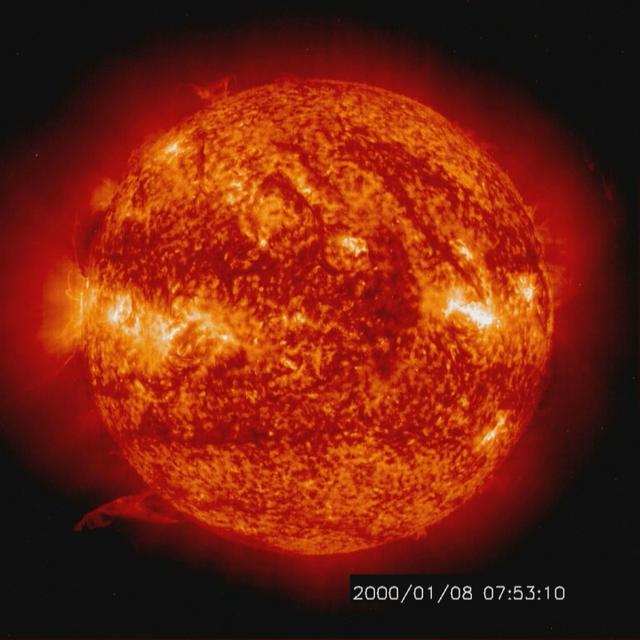
Solar activity and erupting prominences. EIT 304A (Jan. 8-10, 2000) Credit: NASA/GSFC/SOHO/ESA To learn more go to the SOHO website: <a href="http://sohowww.nascom.nasa.gov/home.html" rel="nofollow">sohowww.nascom.nasa.gov/home.html</a>…
Solar Flare Extremely energetic objects permeate the universe. But close to home, the sun produces its own dazzling lightshow, producing the largest explosions in our solar system and driving powerful solar storms.. When solar activity cont…
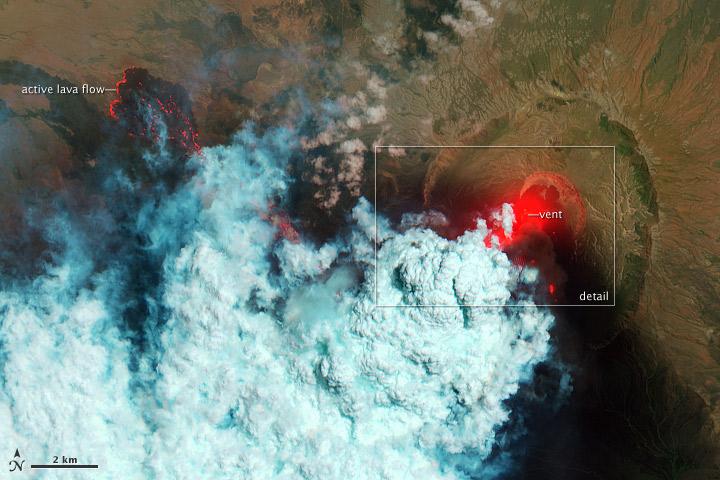
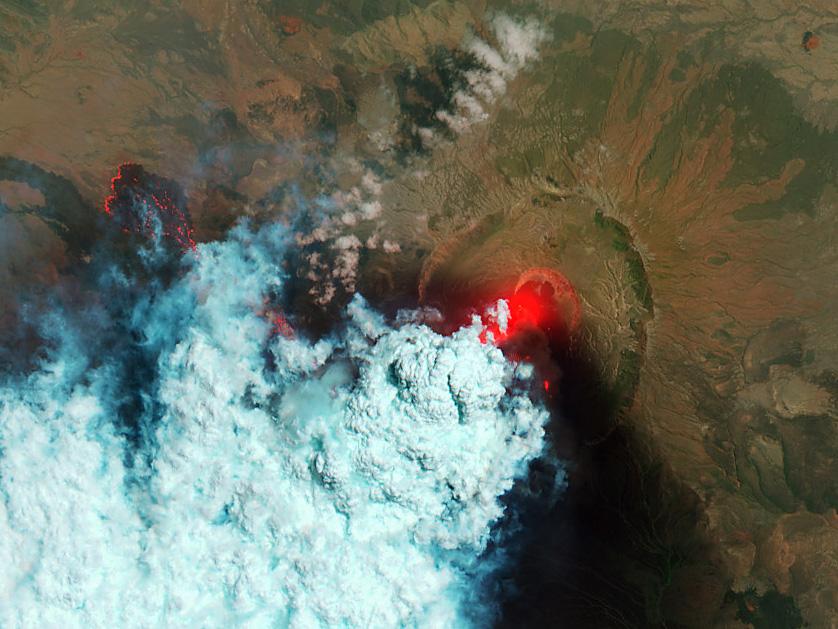
NASA image acquired June 24, 2011 Since it began erupting on June 12, 2011, emissions from Eritrea’s Nabro Volcano have drifted over much of East Africa and the Middle East. Ash has displaced residents living near the volcano and disrupted…
SDO AIA image of the X3.1 flare in 131 angstrom light from 21:43 UT on October 24, 2014. Credit:NASA/SDO More info: The sun emitted a significant solar flare, peaking at 5:40 p.m. EDT on Oct. 24, 2014. NASA's Solar Dynamics Observatory, w…
This is a photo taken by NASA's Chandra X-ray Observatory that reveals the remains of an explosion in the form of two enormous arcs of multimillion-degree gas in the galaxy Centaurus A that appear to be part of a ring 25,000 light years in…
A filament (which at one point had an eerie similarity to a snake) broke away from the sun and out into space (Nov. 1, 2014). The video covers just over three hours of activity. This kind of eruptive event is called a Hyder flare. These are…
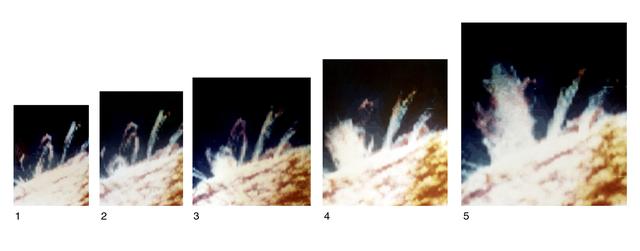
Breaking the grip of the closed magnetic loops that constrain other gases around it, a spray of chromospheric material surges upward, free of the Sun. Views 1 through 5 were recorded about 5 minutes apart by Skylab and comprise a composite…
A minor solar eruption triggered a crackling, white flash that sent an expanding wave of plasma below it over about six hours (Nov. 4, 2016). Some of the plasma also appeared to surge along a narrow path above the active region as well. Suc…
This combination of three wavelengths of light from NASA's Solar Dynamics Observatory shows one of the multiple jets that led to a series of slow coronal puffs on Jan. 17, 2013. The light has been colorized in red, green and blue. Read mor…
The sun emitted a significant solar flare, peaking at 5:40 p.m. EDT on Oct. 24, 2014. The flare erupted from a particularly large active region -- labeled AR 12192 -- on the sun that is the largest in 24 years. This is the fourth substantia…
NASA image acquired May 1, 2010. As an active region rotated into view, it blew out three relatively small eruptions over about two days (Apr. 30 - May 2) as STEREO (Ahead) observed in extreme UV light. The first one was the largest and ex…
NASA image release Sept 9, 2010 Just as sunspot 1105 was turning away from Earth on Sept. 8, the active region erupted, producing a solar flare and a fantastic prominence. The eruption also hurled a bright coronal mass ejection into space.…
March 31, 2010..The volcanic eruption near Eyjafjallajökull persists into its second week, with continued lava fountaining and lava flows spilling into nearby canyons. The eruption is located at the Fimmvörduháls Pass between the Eyjafjalla…
An erupting prominence observed by SDO on March 30, 2010. Credit: NASA/GSFC/SDO To read more about this image go to: <a href="http://www.nasa.gov/mission_pages/sdo/news/first-light.html" rel="nofollow">www.nasa.gov/mission_pages/sdo/news…
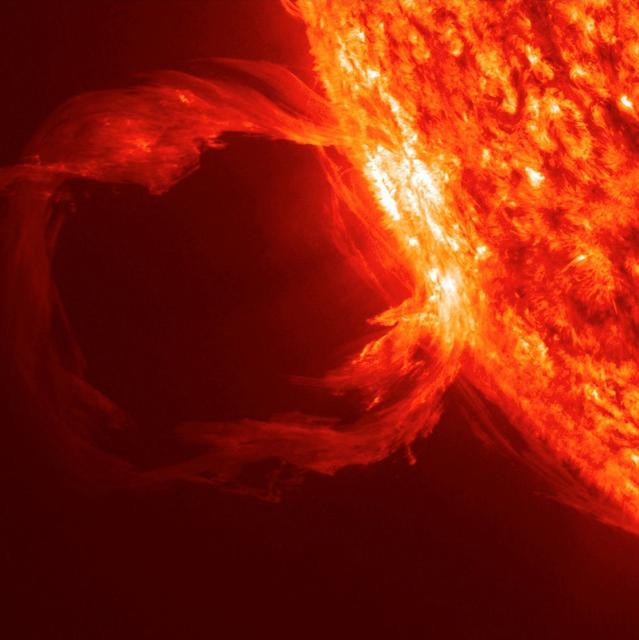
On August 31, 2012 a long filament of solar material that had been hovering in the sun's atmosphere, the corona, erupted out into space at 4:36 p.m. EDT. The coronal mass ejection, or CME, traveled at over 900 miles per second. The CME did…
NASA image acquired June 24, 2011 Since it began erupting on June 12, 2011, emissions from Eritrea’s Nabro Volcano have drifted over much of East Africa and the Middle East. Ash has displaced residents living near the volcano and disrupted…
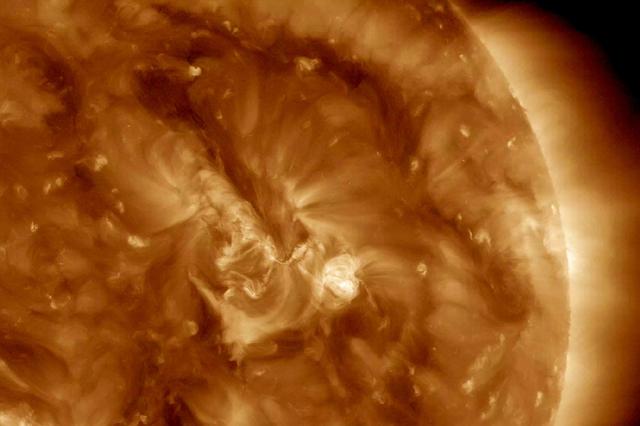
Active region AR 12192 on the sun erupted with a strong flare on Oct. 24, 2014, as seen in the bright light of this image captured by NASA's Solar Dynamics Observatory. This image shows extreme ultraviolet light that highlights the hot sola…
NASA image release Sept 9, 2010 Just as sunspot 1105 was turning away from Earth on Sept. 8, the active region erupted, producing a solar flare and a fantastic prominence. The eruption also hurled a bright coronal mass ejection into space.…
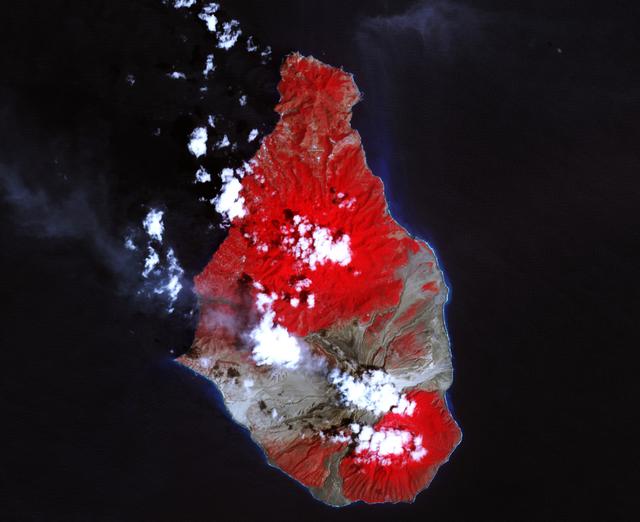
A massive eruption of Montserrat’s Soufrière Hills Volcano covered large portions of the island in debris. The eruption was triggered by a collapse of Soufrière Hills’ summit lava dome on February 11, 2010. Pyroclastic flows raced down the…
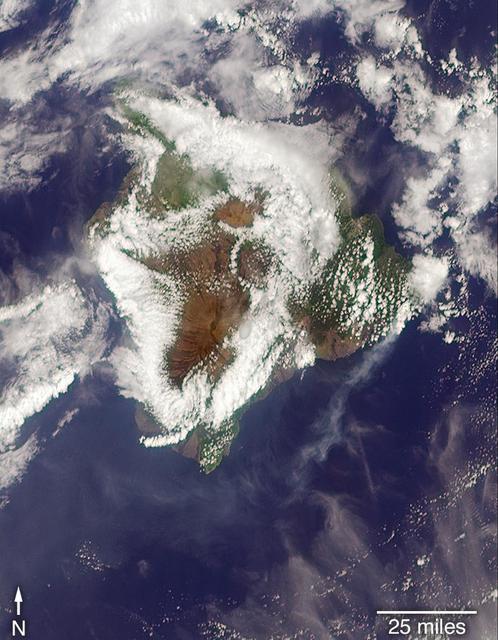
On May 3, 2018, a new eruption began at a fissure of the Kilauea volcano on the Island of Hawaii. Kilauea is the most active volcano in the world, having erupted almost continuously since 1983. Advancing lava and dangerous sulfur dioxide ga…
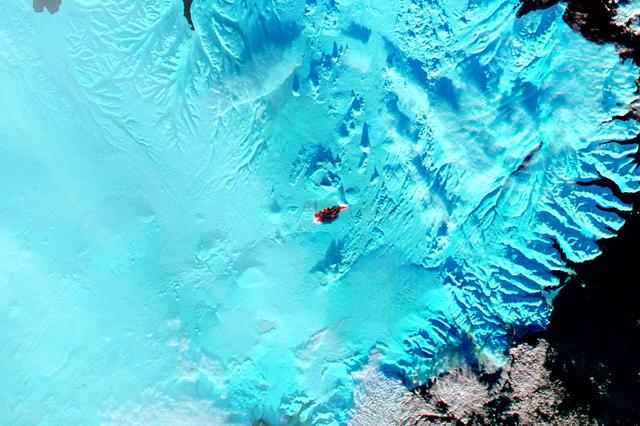
The main caldera of Bardarbunga volcano is tucked beneath Iceland’s largest glacier, Vatnajökull. Beginning in August, 2014, red-hot basaltic lava originating from Bardarbunga has been pouring from fissures just north of Vatnajökull, creati…
This image from NASA's Advanced Spaceborne Thermal Emission and Reflection Radiometer (ASTER) instrument on NASA's Terra spacecraft show recent eruptions of Kilauea volcano on the island of Hawaii (the Big Island). Following days of increas…
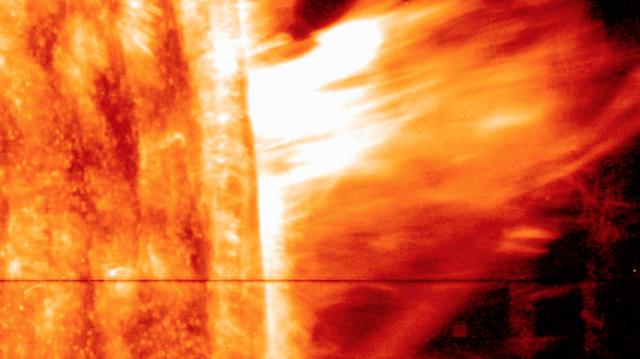
A coronal mass ejection, or CME, surged off the side of the sun on May 9, 2014, and NASA's newest solar observatory caught it in extraordinary detail. This was the first CME observed by the Interface Region Imaging Spectrograph, or IRIS, wh…
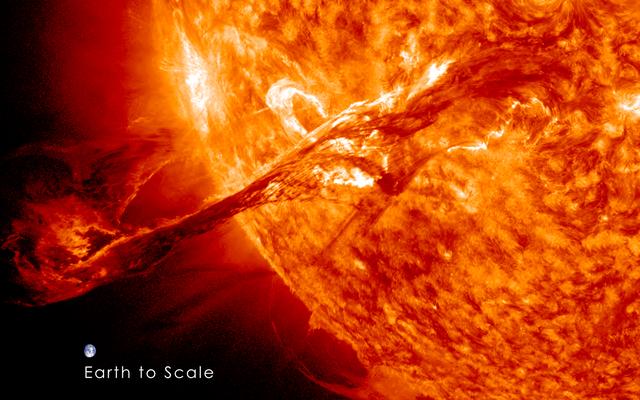
Large, eruptive prominence in He II at 304Å, with an image of the Earth added for size comparison. This prominence from 24 July 1999 is particularly large and looping, extending over 35 Earths out from the Sun. Erupting prominences (when Ea…
The STEREO (Behind) spacecraft captured this large prominence and corona mass ejection as they erupted into space (Sept. 26, 2014). By combining images from three instruments, scientists can see the eruption itself (in extreme UV light) as…
This spectacular view is a color-enhanced ultraviolet exposure of a colossal eruption, photographed during the Skylab-4 mission by the Apollo Telescope Mount facility on December 19, 1973. This giant prominence, one of the mightiest in 25 y…
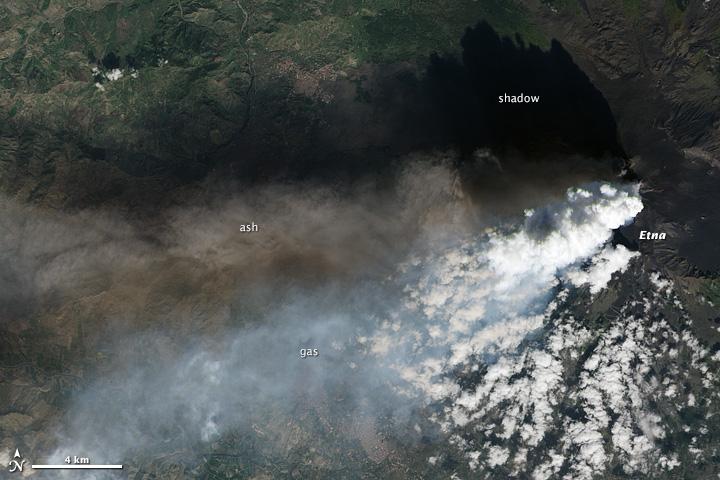
Twin volcanic plumes—one of ash, one of gas—rose from Sicily’ Mount Etna on the morning of October 26, 2013. L’Istituto Nazionale di Geofisica e Vulcanologia (INGV) Osservatorio Etneo (National Institute of Geophysics and Volcanology Etna O…
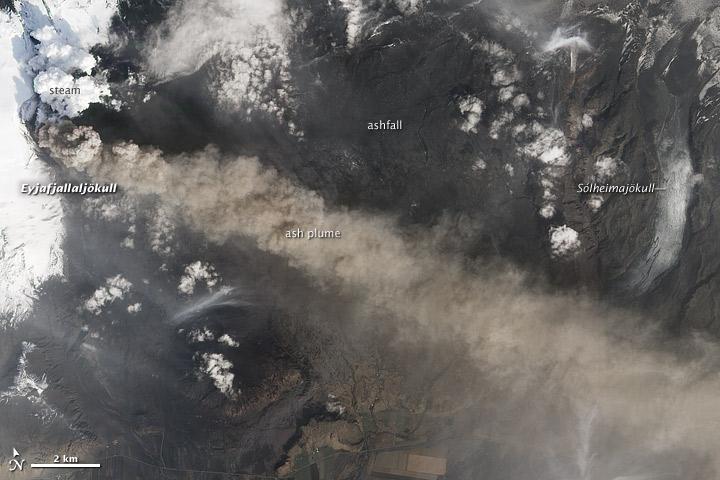
NASA satellite image acquired May 2, 2010 To view a detail of this image go to: <a href="http://www.flickr.com/photos/gsfc/4584266734/">www.flickr.com/photos/gsfc/4584266734/</a> Ash and steam continued billowing from Eyjafjallajökull Vol…
The sun emitted a significant solar flare, peaking at 8:27 p.m. EDT on April 24, 2014. Images of the flare were captured by NASA's Solar Dynamics Observatory. Solar flares are powerful bursts of radiation. Harmful radiation from a flare can…
NASA satellite image acquired May 2, 2010 To see the full view of this image go to: <a href="http://www.flickr.com/photos/gsfc/4584266582/">www.flickr.com/photos/gsfc/4584266582/</a> Ash and steam continued billowing from Eyjafjallajökul…
NASA's Solar Dynamics Observatory captured this image of the moon crossing in front of its view of the sun on Jan. 30, 2014, at 10:30 a.m. EST in 171 and 304 angstrom light. The two wavelengths are blended together. Credit: NASA/SDO <b><a…
Twin volcanic plumes—one of ash, one of gas—rose from Sicily’ Mount Etna on the morning of October 26, 2013. L’Istituto Nazionale di Geofisica e Vulcanologia (INGV) Osservatorio Etneo (National Institute of Geophysics and Volcanology Etna O…
On August 31, 2012 a long filament of solar material that had been hovering in the sun's atmosphere, the corona, erupted out into space at 4:36 p.m. EDT. The coronal mass ejection, or CME, traveled at over 900 miles per second. The CME did…