
Stardust sample analysis @ UC Berkeley clean room with Dr Scott Sandford, NASA Ames Astrophysicist - mission aerogel samples provided to UC Berkeley for analysis by NASA are shown on computer screen during microscopic sampling

Stardust sample analysis @ UC Berkeley clean room - mission samples provided to UC Berkeley for analysis by NASA Berkeley researcher Chris Snead working with sample encased in aerogel
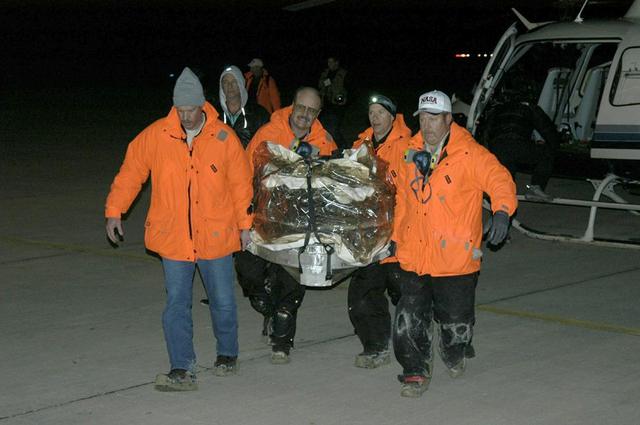
This image shows the return capsule inside a protective covering. The capsule, which landed at 2:10 a.m. Pacific time 3:10 a.m. Mountain time, contains cometary and interstellar samples gathered by NASA Stardust spacecraft.
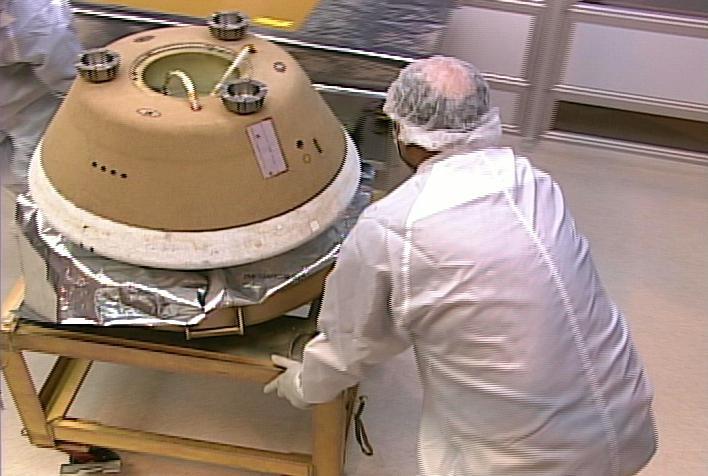
This movie shows rehearsal of the initial processing of the sample return capsule when it is taken to a temporary cleanroom at Utah Test and Training Range.
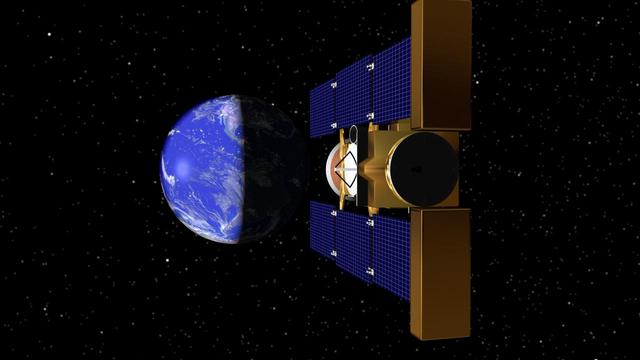
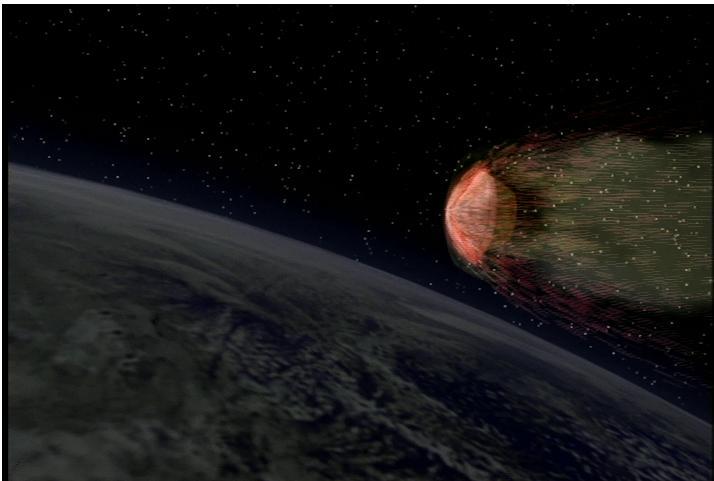
Artist rendering of NASA’s Stardust returning to Earth. Stardust is the first U.S. space mission dedicated to the exploration of a comet, and the first robotic mission designed to return extraterrestrial material from outside the orbit of t…

Stardust sample analysis @ UC Berkeley clean room with Dr Scott Sandford, NASA Ames Astrophysicist - mission samples provided to UC Berkeley for analysis by NASA Jess Carpenter, NASA/AMES Video crew Berkeley Lab filming from outside the…

Stardust sample analysis @ UC Berkeley clean room with Dr Scott Sandford, NASA Ames Astrophysicist - mission samples provided to UC Berkeley for analysis by NASA Berkeley researchers Zack Gainsforth working with sample encased in aerogel

Stardust sample analysis @ UC Berkeley clean room with Dr Scott Sandford, NASA Ames Astrophysicist - mission samples provided to UC Berkeley for analysis by NASA Berkeley researcher Zack Gainsforth working with sample encased in aerogel

Stardust sample analysis @ UC Berkeley clean room with Dr Scott Sandford, NASA Ames Astrophysicist - mission samples provided to UC Berkeley for analysis by NASA Jess Carpenter, NASA/AMES video crew at Berkeley Lab setting for filming fro…
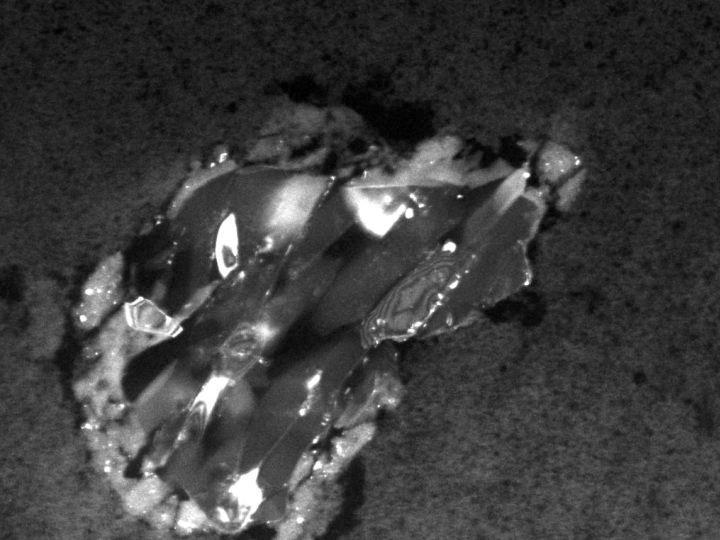
This image shows a comet particle collected by NASA’s Stardust spacecraft. The particle is made up of the silicate mineral forsterite, also known as peridot in its gem form.

Stardust sample analysis @ UC Berkeley clean room with Dr Scott Sandford, NASA Ames Astrophysicist - mission samples provided to UC Berkeley for analysis by NASA Berkeley researchers Zack Gainsforth (seated) and Chris Snead working with sa…

Stardust sample analysis @ UC Berkeley clean room with Dr Scott Sandford, NASA Ames Astrophysicist - mission samples provided to UC Berkeley for analysis by NASA: Dr Andrew Westphal, Berkeley Physicist with Dr Scott Sandford, NASA Ames Ast…

Stardust sample analysis @ UC Berkeley clean room - mission samples provided to UC Berkeley for analysis by NASA: Dr Andrew Westphal, Berkeley Physicist with Dr Scott Sandford, NASA Ames Astrophysicist holding a (aerogel) sample (Dr Sandfo…

Artist rendering of NASA Stardust spacecraft. The spacecraft was launched on February 7, 1999, from Cape Canaveral Air Station, Florida, aboard a Delta II rocket.

Closeup view of a cometary impact upper right into aerogel was inspected by scientists at a laboratory at the Johnson Space Center hours after NASA Stardust Sample Return Canister was delivered to the Johnson Space Center.
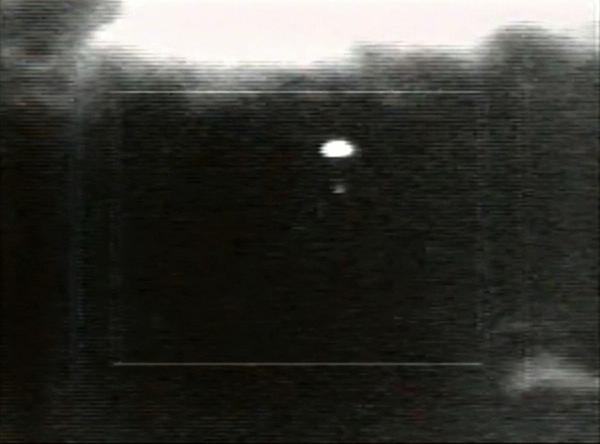
This video shows images taken through infrared range cameras during a recovery simulation at the Utah Test and Training Range on Dec 13, 2005. Infrared cameras will track the landing.

The capsule contains cometary and interstellar samples gathered by NASA Stardust spacecraft.

Artist rendering of NASA Stardust capsule returning to Earth. The Stardust spacecraft will bring back samples of interstellar dust, including recently discovered dust streaming into our Solar System from the direction of Sagittarius.

Stardust sample analysis @ UC Berkeley clean room - mission samples provided to UC Berkeley for analysis by NASA Berkeley researcher Chris Snead working with sample encased in aerogel

Stardust sample analysis @ UC Berkeley clean room with Dr Scott Sandford, NASA Ames Astrophysicist - mission aerogel samples provided to UC Berkeley for analysis by NASA on microscope
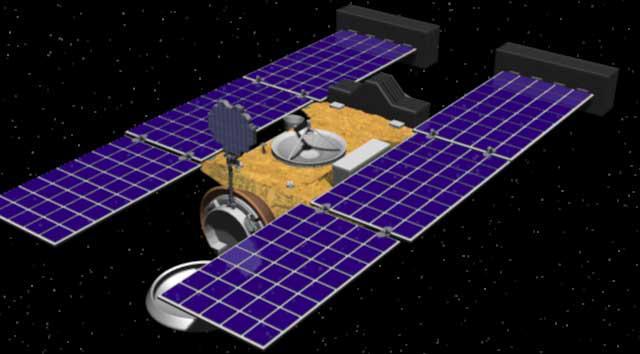
Artist rendering of NASA Stardust spacecraft. The spacecraft was launched on February 7, 1999, from Cape Canaveral Air Station, Florida, aboard a Delta II rocket.

Stardust sample analysis @ UC Berkeley clean room with Dr Scott Sandford, NASA Ames Astrophysicist - mission samples provided to UC Berkeley for analysis by NASA Berkeley researcher Zack Gainsforth working with sample encased in aerogel

Investigators from University of Washington, Johnson Space Center, and Lockheed Martin Missiles and Space, Denver, Colorado, inspect a canister and sample collector soon after opening a container with Stardust material in a laboratory at th…

The capsule contains cometary and interstellar samples gathered by NASA Stardust spacecraft. Here, the capsule is being lifted at the landing site.

Stardust sample analysis @ UC Berkeley clean room - mission samples provided to UC Berkeley for analysis by NASA: (r) Dr Andrew Westphal, Berkeley Physicist with Dr Scott Sandford, NASA Ames Astrophysicist (l) oversee sample analysis -…

Stardust sample analysis @ UC Berkeley clean room with Dr Scott Sandford, NASA Ames Astrophysicist - mission samples provided to UC Berkeley for analysis by NASA Berkeley researchers Zack Gainsforth (seated) and Chris Snead working with s…
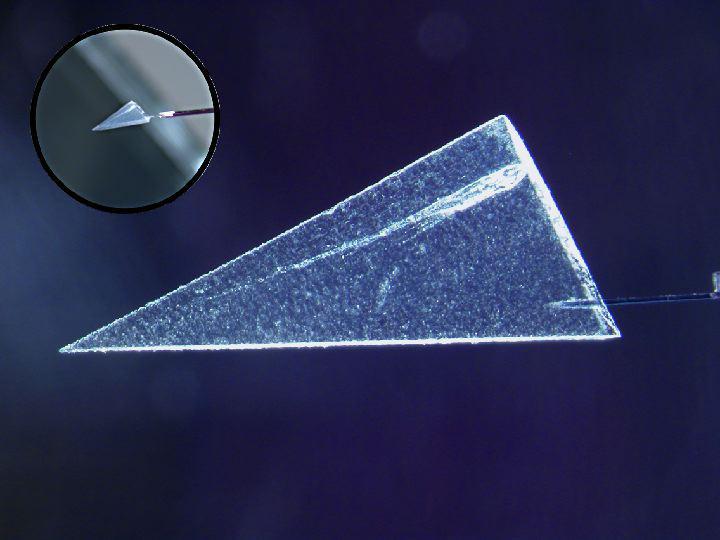
This image illustrates one of several ways scientists have begun extracting comet particles from NASAa Stardust spacecraft collector. First, a particle and its track are cut out of the collector material, called aerogel.

Stardust sample analysis @ UC Berkeley clean room with Dr Scott Sandford, NASA Ames Astrophysicist - mission samples provided to UC Berkeley for analysis by NASA Berkeley researchers Zack Gainsforth (seated) and Chris Snead working with sa…
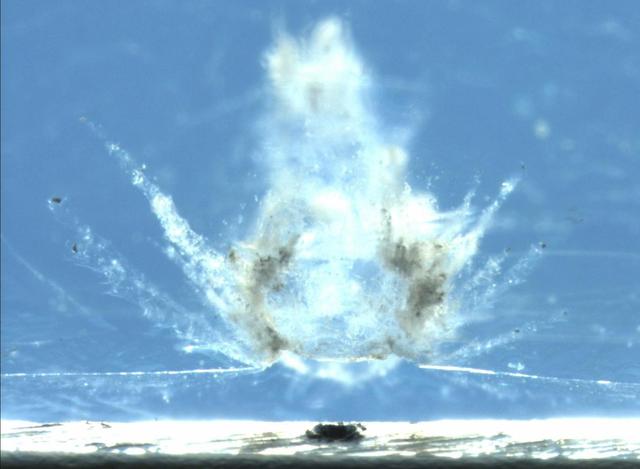
This image from NASA shows a particle impact on the aluminum frame that holds the aerogel tiles. The debris from the impact shot into the adjacent aerogel tile producing the explosion pattern of ejecta framents captured in the material.

Stardust sample analysis @ UC Berkeley clean room with Dr Scott Sandford, NASA Ames Astrophysicist - mission aerogel samples provided to UC Berkeley for analysis by NASA on microscope

Stardust sample analysis @ UC Berkeley clean room with Dr Scott Sandford, NASA Ames Astrophysicist - mission samples provided to UC Berkeley for analysis by NASABerkeley researcher Zack Gainsforth working with sample encased in aerogel

This composite image shows the three small worlds NASA Stardust spacecraft encountered during its 12 year mission. Stardust performed a flyby of asteroid Annefrank in 2002, Comet Wild in 2004, and Tempel 1 in 2011.
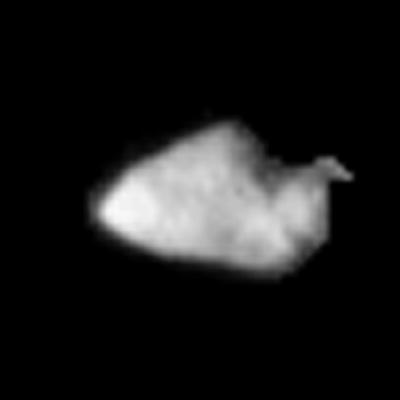
Stardust Image of Asteroid Annefrank

Stardust sample analysis @ UC Berkeley clean room with Dr Scott Sandford, NASA Ames Astrophysicist - mission aerogel samples provided to UC Berkeley for analysis by NASA on microscope

Stardust sample analysis @ UC Berkeley clean room with Dr Scott Sandford, NASA Ames Astrophysicist - mission aerogel samples provided to UC Berkeley for analysis by NASA are shown on computer screen during microscopic sampling

Stardust sample analysis @ UC Berkeley clean room with Dr Scott Sandford, NASA Ames Astrophysicist - mission samples provided to UC Berkeley for analysis by NASA Berkeley researcher Zack Gainsforth working with sample encased in aerogel

Stardust sample analysis @ UC Berkeley clean room with Dr Scott Sandford, NASA Ames Astrophysicist - mission samples provided to UC Berkeley for analysis by NASA

Inside Space Exposed Hardware Lab a member of the JSC Curation Team with NASA Stardust canister in lab.

Stardust sample analysis @ UC Berkeley clean room with Dr Scott Sandford, NASA Ames Astrophysicist - mission samples provided to UC Berkeley for analysis by NASABerkeley researcher Zack Gainsforth working with sample encased in aerogel
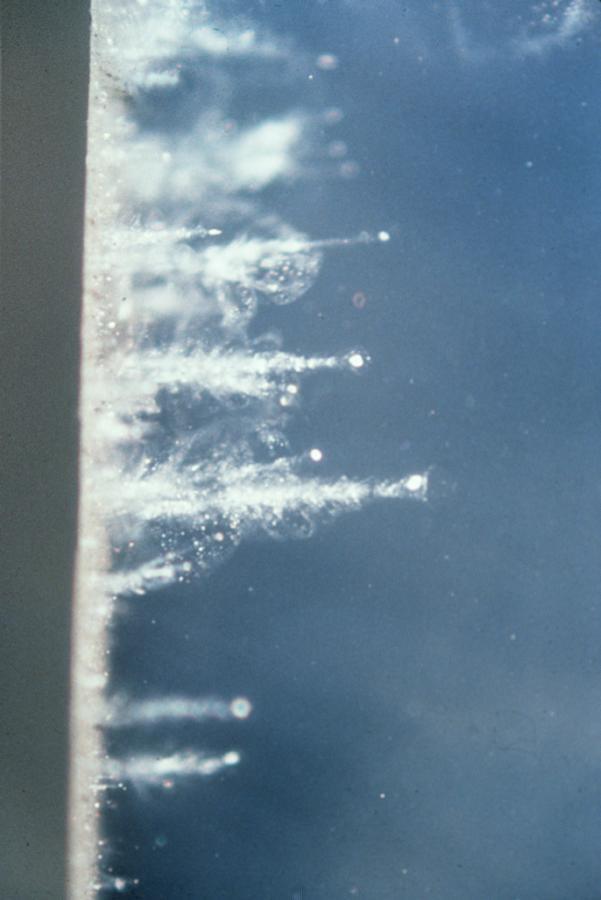
In an experiment using a special air gun, particles are shot into aerogel at high velocities. Closeup of particles leaving a carrot-shaped trail in the aerogel are shown here. Aerogel was used on NASA Stardust spacecraft.

Stardust sample analysis @ UC Berkeley clean room - mission samples provided to UC Berkeley for analysis by NASA Berkeley researcher Chris Snead working with sample encased in aerogel

Stardust sample analysis @ UC Berkeley clean room with Dr Scott Sandford, NASA Ames Astrophysicist - mission aerogel samples provided to UC Berkeley for analysis by NASA on microscope
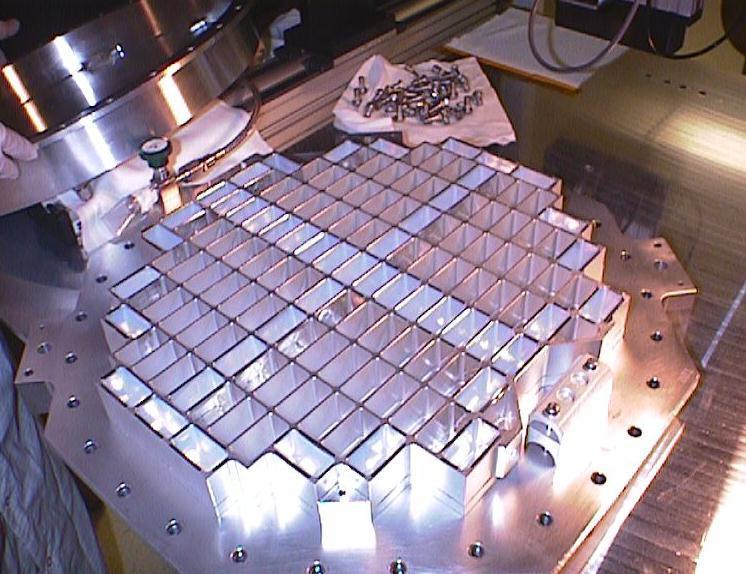
The aerogel dust collector, an instrument aboard NASA Stardust spacecraft.

Stardust sample analysis @ UC Berkeley clean room - mission samples provided to UC Berkeley for analysis by NASA Berkeley researcher Chris Snead working with sample encased in aerogel

Stardust Capsule Return as seen from NASA DC-8 Airborne Laboratory with a mission to explore the conditions during reentry from the light emitted by the fireball caused when the capsule streaked through the sky

Artist rendering of NASA Stardust capsule returning to Earth. The Stardust spacecraft will bring back samples of interstellar dust, including recently discovered dust streaming into our Solar System from the direction of Sagittarius.
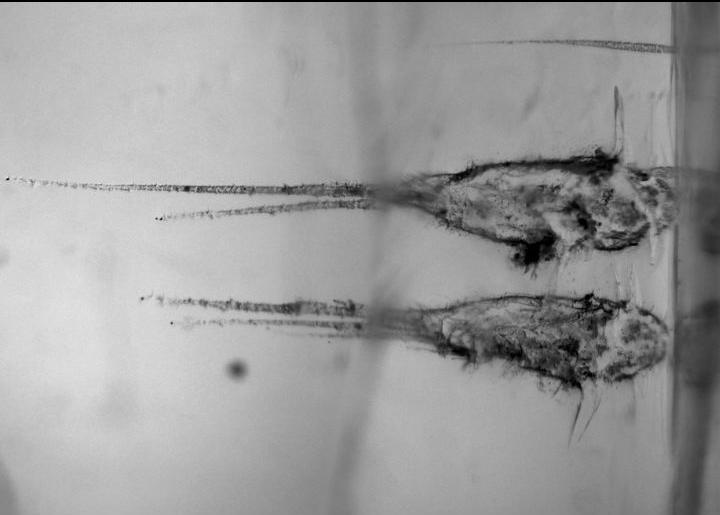
This image shows the tracks left by two comet particles after they impacted NASA Stardust spacecraft comet dust collector. The collector is made up of a low-density glass material called aerogel.
This animation shows the return capsule separating from the Stardust spacecraft.