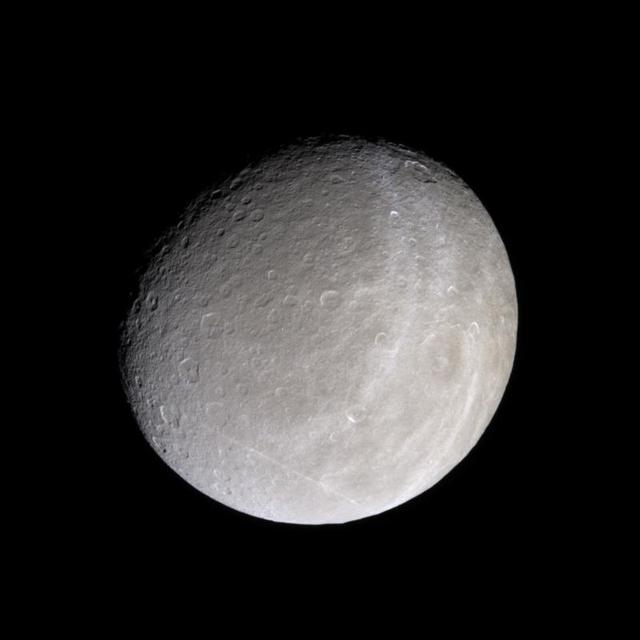
Saturn Moon Rhea
Saturn Moon Rhea
Saturn Satellite Rhea
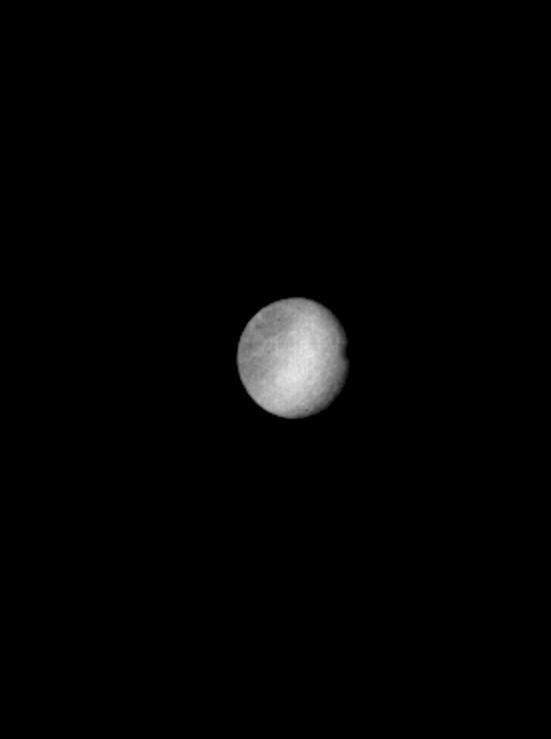
Rhea Detached
Rhea Detached
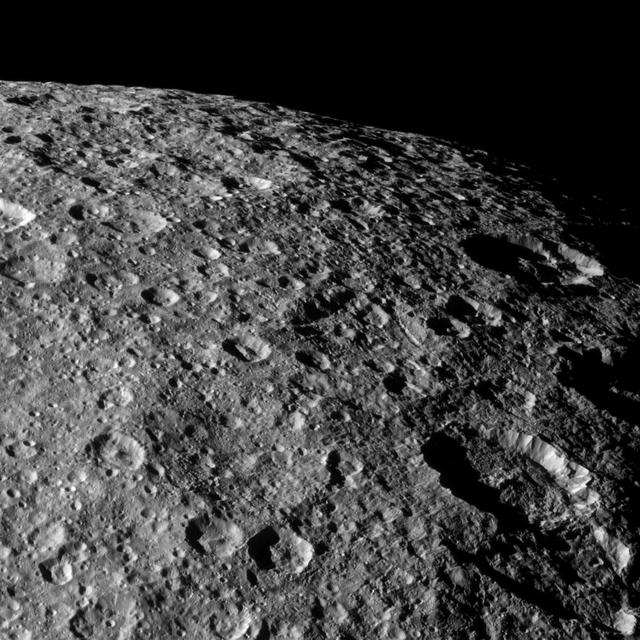
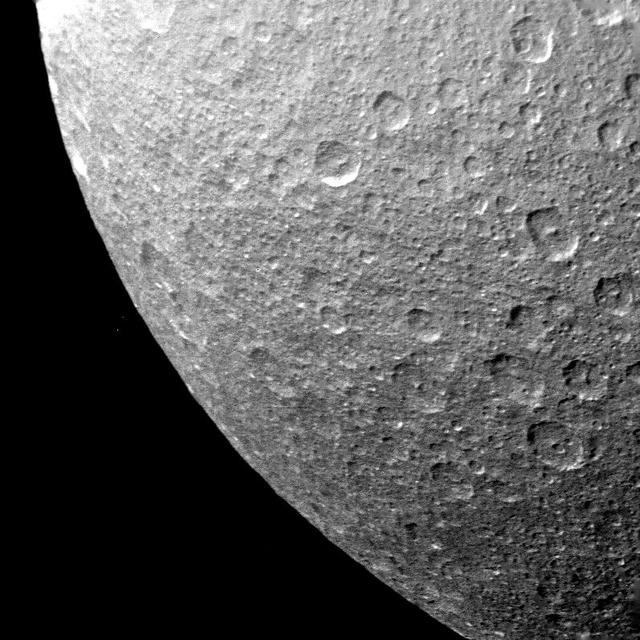
NASA Cassini looks over the heavily cratered surface of Rhea during the spacecraft flyby of the moon on March 10, 2012.
Bombarded Rhea
Washed Out Rhea
Washed Out Rhea
Soaring Over Rhea
Soaring Over Rhea
This animation show two crescent moons dance around Saturn as far-off Dione slips behind its  sibling moon Rhea
Rhea Eclipses Dione Animation
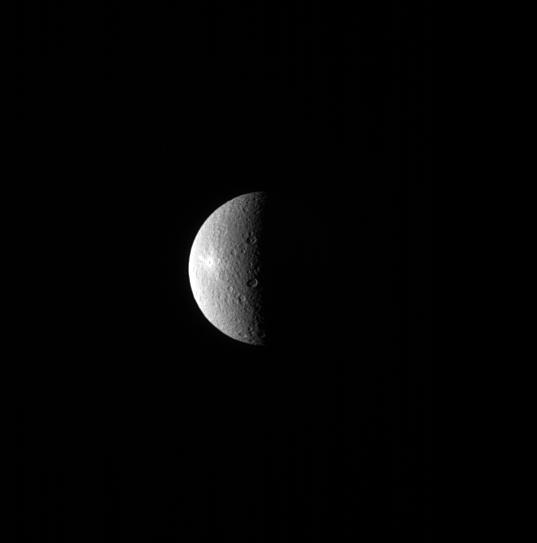
A bright spot can be seen on the left side of Rhea in this image. The spot is the crater Inktomi, named for a Lakota spider spirit.  Inktomi is believed to be the youngest feature on Rhea (949 miles or 1527 kilometers across). The relative…
Little Bright Spot
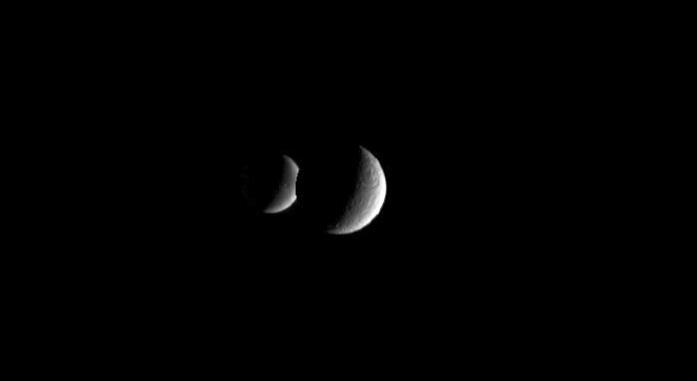
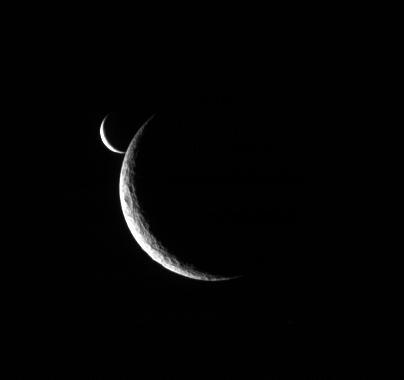
Rhea and Enceladus shared the sky just before the smaller moon passed behind its larger, cratered sibling.This image is part of a mutual
Enceladus Approaches
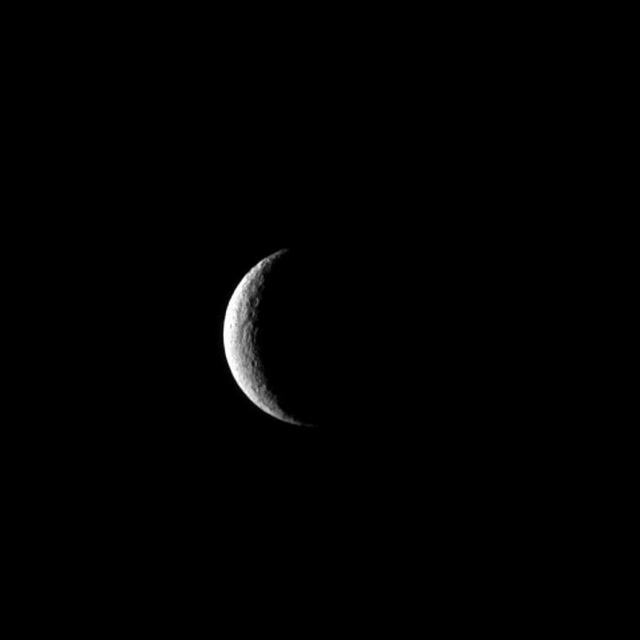
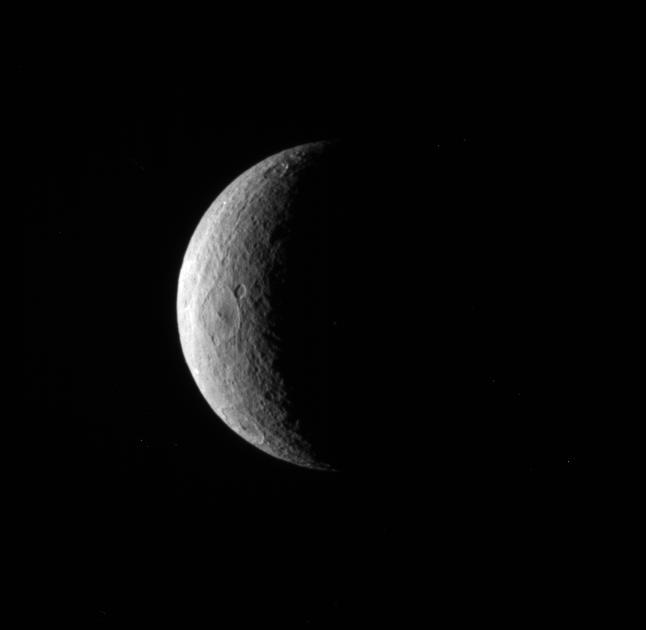
NASA Cassini spacecraft captures Saturn moon Rhea at crescent phase, a view never visible from Earth. Near the terminator, a few of Rhea many craters show up in sharp relief.
Crescent Rhea
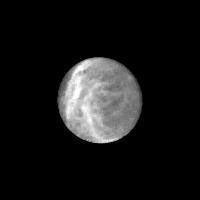
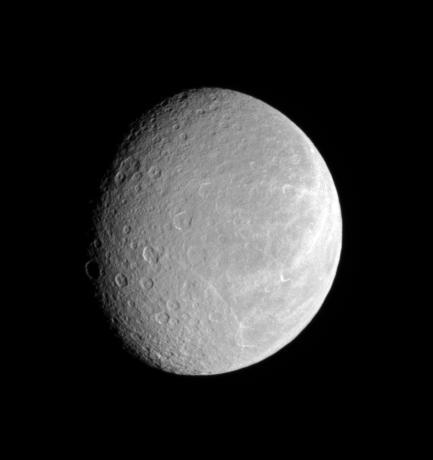
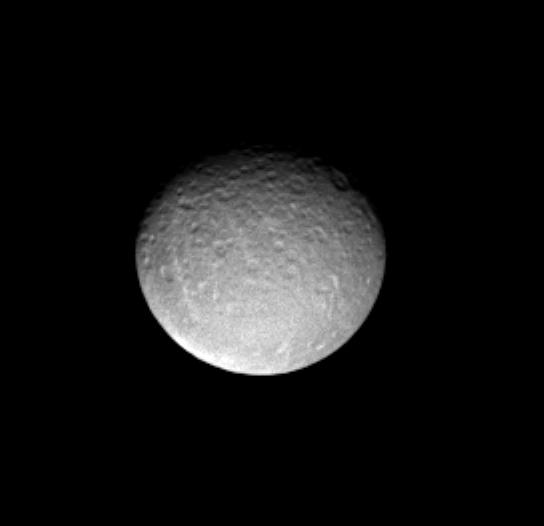
After nearly three years at Saturn, the Cassini spacecraft continues to observe the planet retinue of icy moons. Rhea cratered face attests to its great age, while its bright wisps hint at tectonic activity in the past
Accustomed to Her Face
Cratered Iceball
Cratered Iceball
Two slim crescents smile toward the Cassini spacecraft following an occultation event
Rhea Releases Enceladus
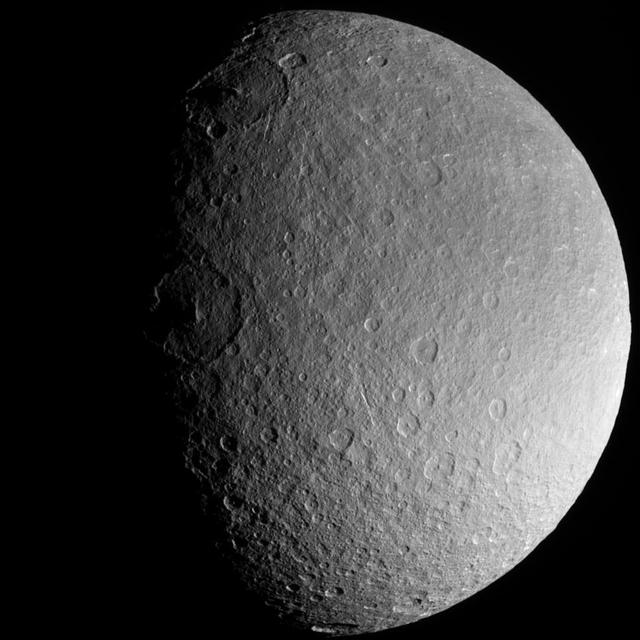
NASA Cassini spacecraft looks toward the battered surface of the moon Rhea.
Roughed-up Rhea
Frame-Filling Rhea
Frame-Filling Rhea
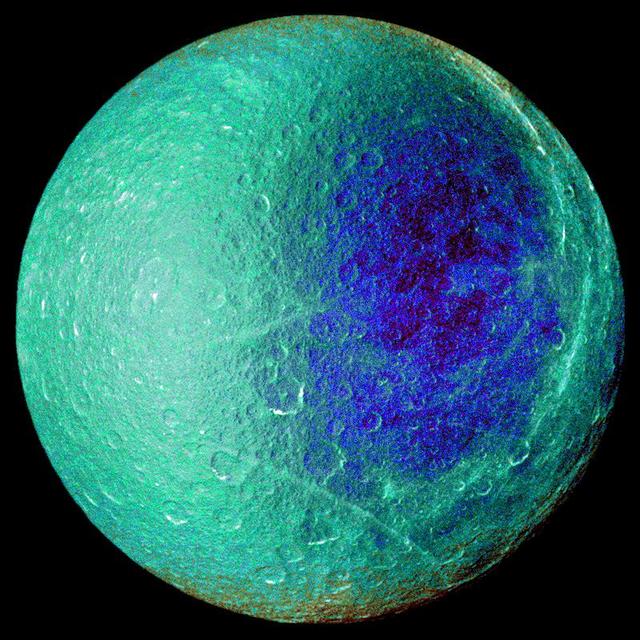
Hemispheric color differences on Saturn moon Rhea are apparent in this false-color view from NASA Cassini spacecraft. This image shows the side of the moon that always faces the planet.
False-Color Rhea
Rhea
Rhea
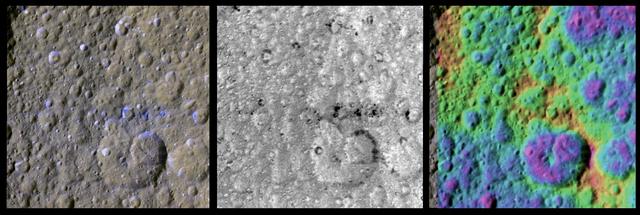
These three enhanced-color views of an equatorial region on Saturn moon Rhea were made from data obtained by NASA Cassini spacecraft. The colors have been enhanced to show colorful splotches and bands on the icy moon surface.
The Colorful Equator of Rhea
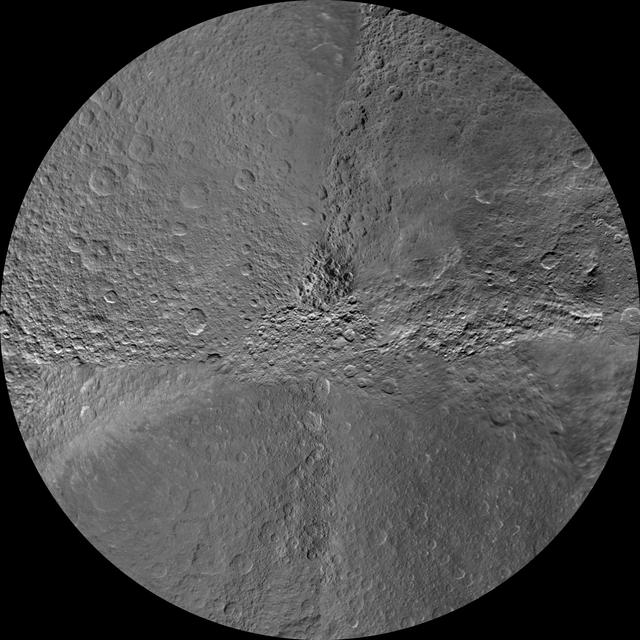
The southern hemisphere of Saturn moon Rhea is seen in this polar stereographic maps, mosaicked from the best-available images obtained by NASA Cassini spacecraft.
Rhea South Polar Map - November 2009
Opposing Rhea
Opposing Rhea
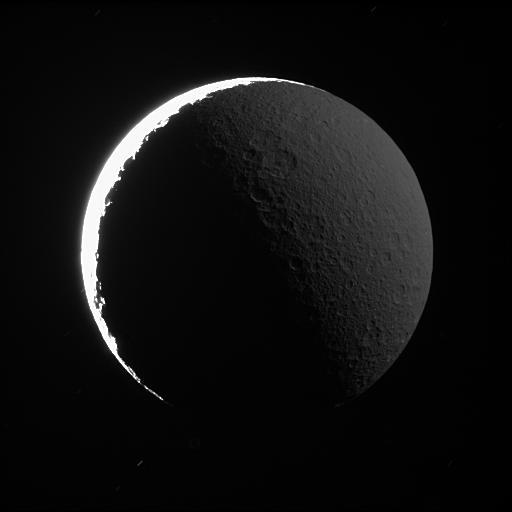
Rhea in Saturnshine
Rhea in Saturnshine
This close view of Rhea prominently shows two large impact basins on the ancient and battered moon. The great age of these basins is suggested by the large number of smaller craters that are overprinted within them.  Terrain visible in this…
Pulverized Pulchritude Enhanced Color
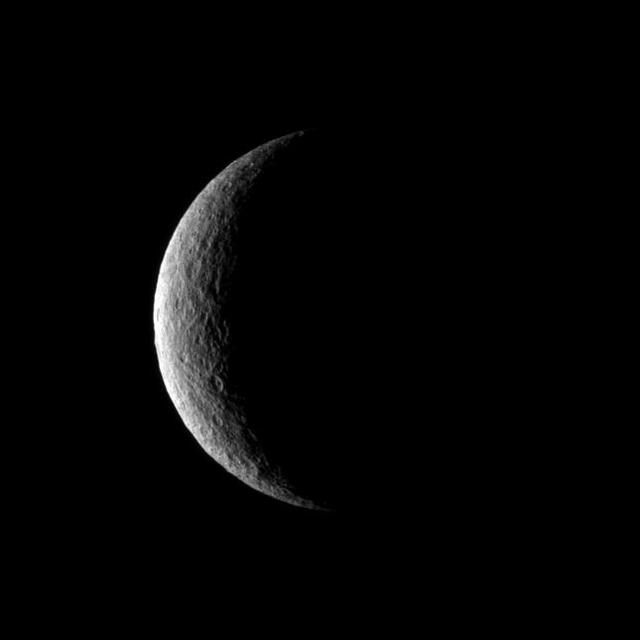
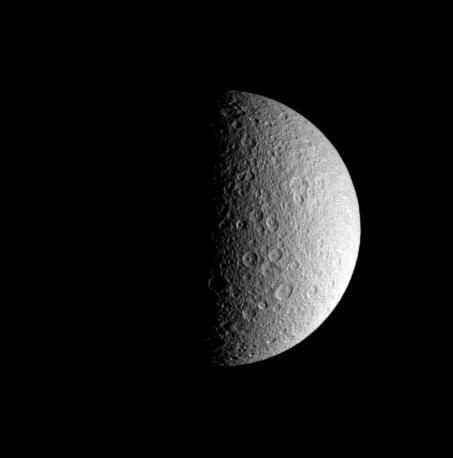
NASA Cassini spacecraft captures a crescent of crater-covered surface on the moon Rhea. Lit terrain seen here is on the trailing hemisphere of Rhea. North on Rhea is up.
Crescent of Craters
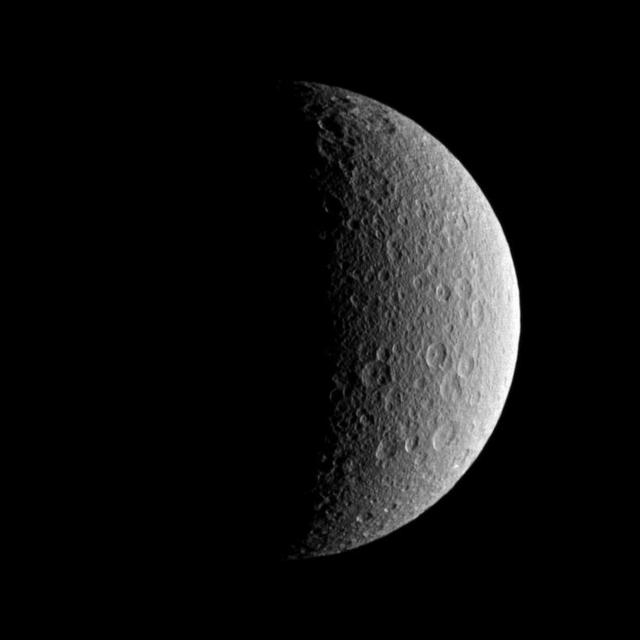
Half-Moon
Half-Moon
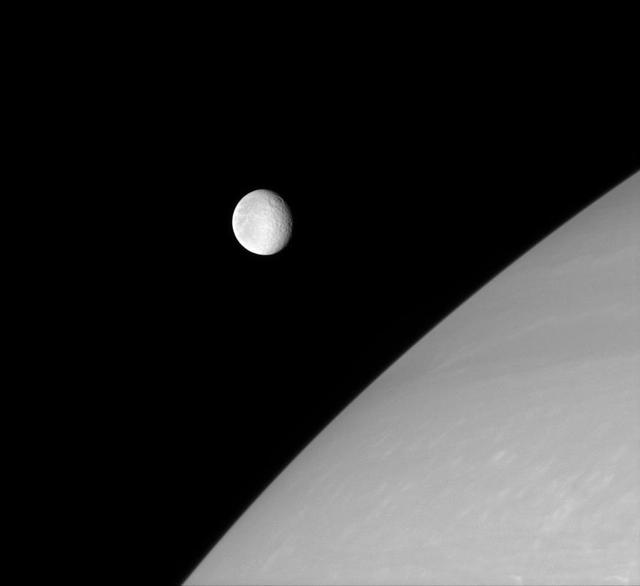
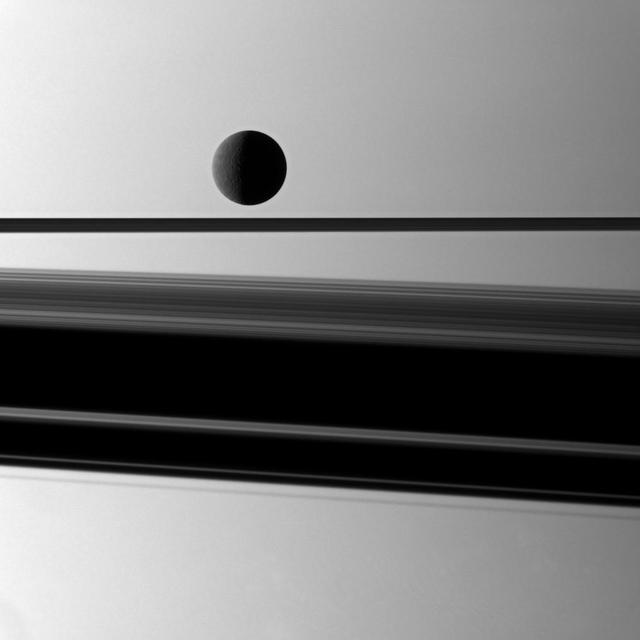
Saturn moon Rhea is gently lit in front of a background of the planet with a wide shadow cast by the rings which are seen nearly edge-on in this image captured by NASA Cassini spacecraft.
Rhea, Rings and Shadow
This set of global, color mosaics of Saturn moon Rhea was produced from images taken by NASA Cassini spacecraft during its first ten years exploring the Saturn system.
Color Maps of Rhea - 2014
Second Largest Moon
Second Largest Moon
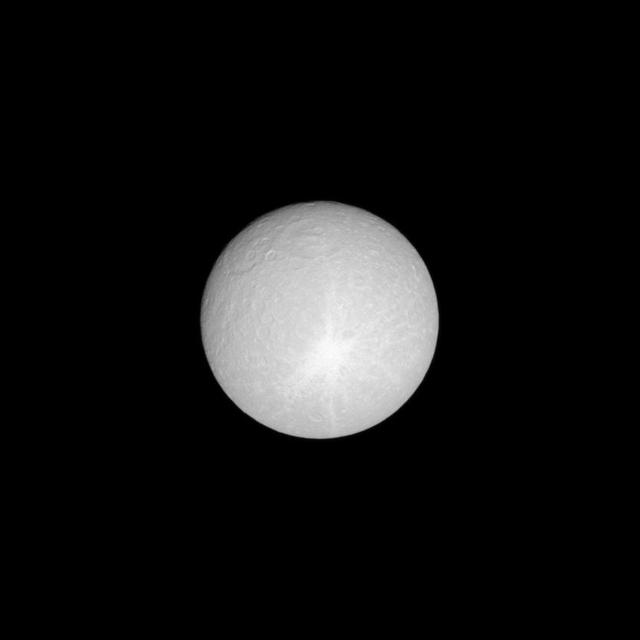
The Rays of Rhea
The Rays of Rhea
Prime Time for Rhea
Prime Time for Rhea
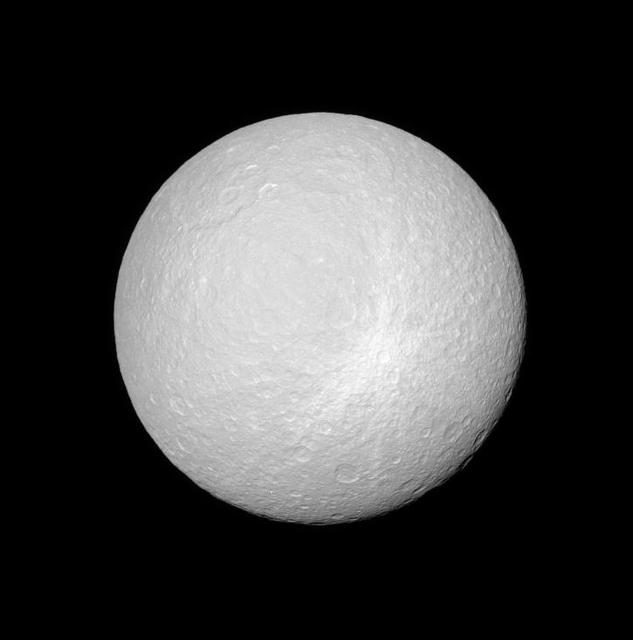
Rhea Battered Surface
A Defining Feature
A Defining Feature
Trailing Rhea
Trailing Rhea
Rhea - Multiple Impact Craters
Rhea - Icy Cratered Surface
Saturn's largest and second largest moons, Titan and Rhea, appear to be stacked on top of each other in this true-color scene from NASA's Cassini spacecraft.  The north polar hood can be seen on Titan (3,200 miles or 5,150 kilometers across…
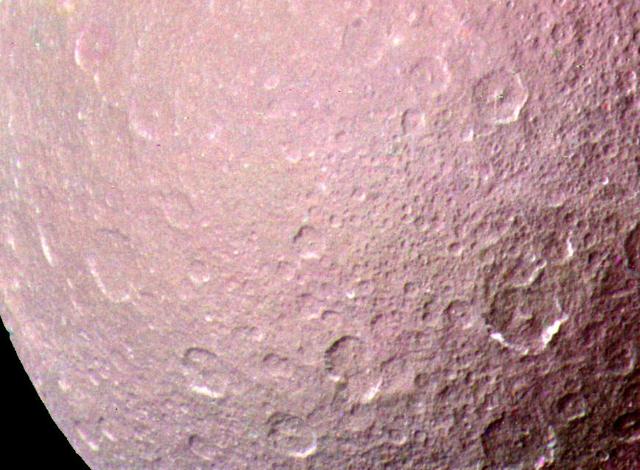
Fire and Ice
NASA Cassini spacecraft pictures a crescent of Saturn moon Rhea. Although craters dominate this particular view, the trailing hemisphere of Rhea also features wispy fractures.
A Few Rhea Craters
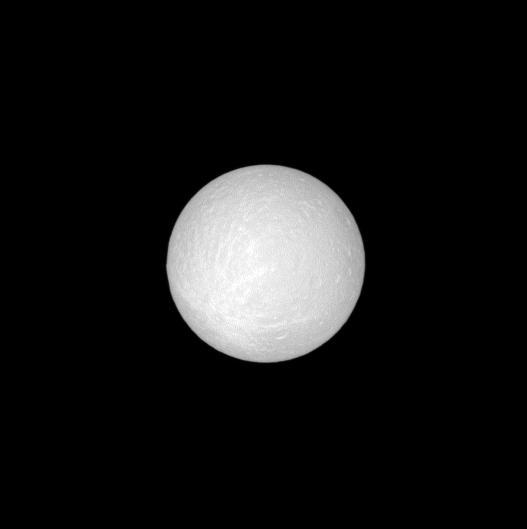
This Cassini image shows predominantly the impact-scarred leading hemisphere of Saturn's icy moon Rhea (1,528 kilometers, or 949 miles across).  The image was taken in visible light with the Cassini spacecraft narrow angle camera on Dec. 12…
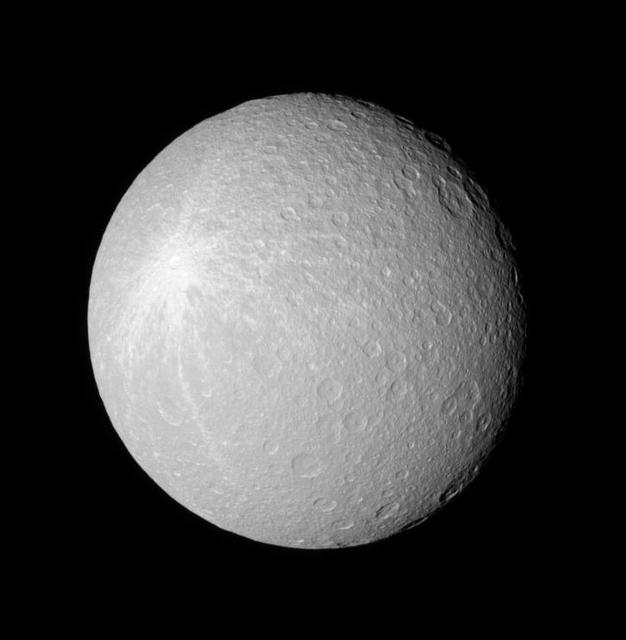
Rhea and Her Craters
Rhea Real Big Rays
Rhea Real Big Rays
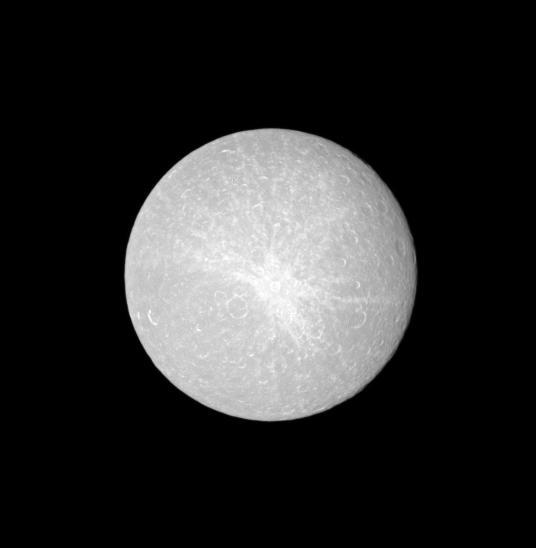
Rhea crater-saturated surface shows a large bright blotch, which was  likely created when a geologically recent impact sprayed bright, fresh  ice ejecta over the moon surface
Bright Ice Below
Background Planet
Background Planet
Surface features on Rhea -- mostly impact craters in this image -- are thrown into sharp relief thanks to long shadows. Viewing this terrain near the day/night terminator makes it easier to appreciate just how violent Rhea's geological hist…
Rhea in Relief
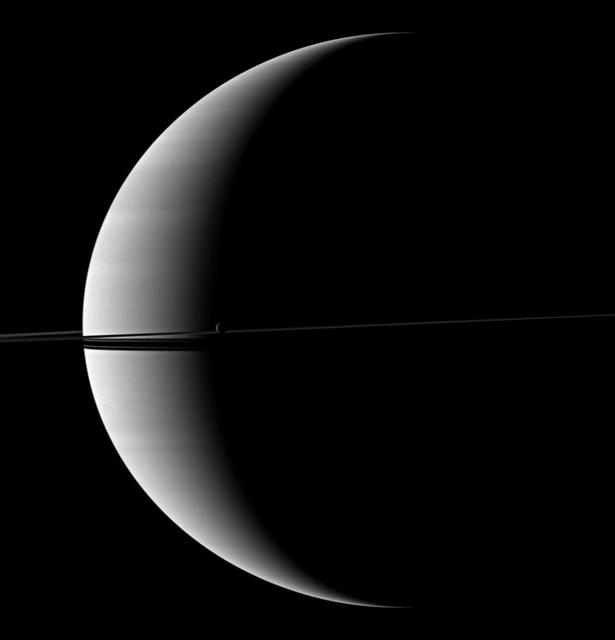
Saturn rings and its moon Rhea are imaged before a crescent of the planet in this image captured by NASA Cassini spacecraft. The shadows of the rings continue to grow wider after their disappearing act during the planet August 2009 equinox.
Widening Rings
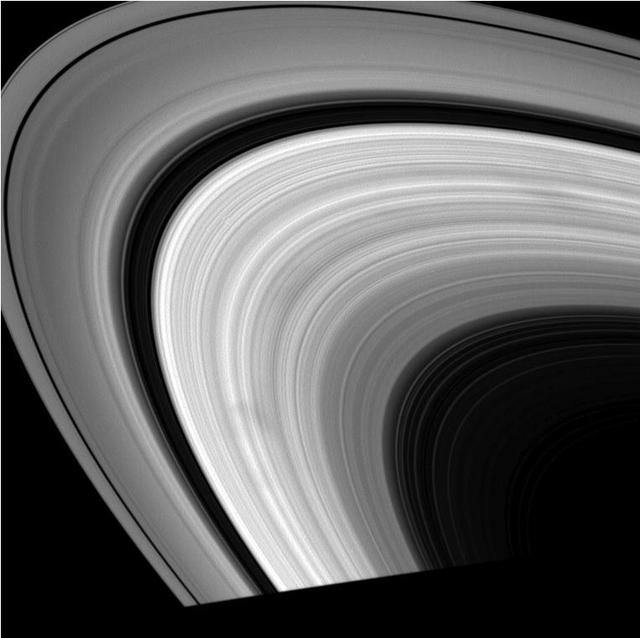
Tis the Season for Spokes
On its fourth and final targeted flyby of Rhea, NASA Cassini spacecraft provided this stunning view of the ancient and heavily cratered surface. Billions of years of impacts have sculpted Rhea surface into the form we see today.
Goodbye to Rhea
This perspective view from NASA Cassini orbiter shows the western half of Rhea second largest impact basin, Tirawa. The broad arcuate scarp cutting across scene center is the battered rim of Tirawa.
Edge of Tirawa
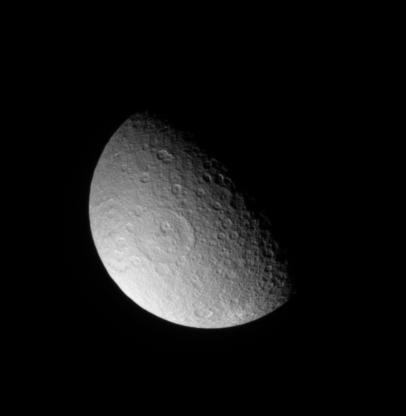
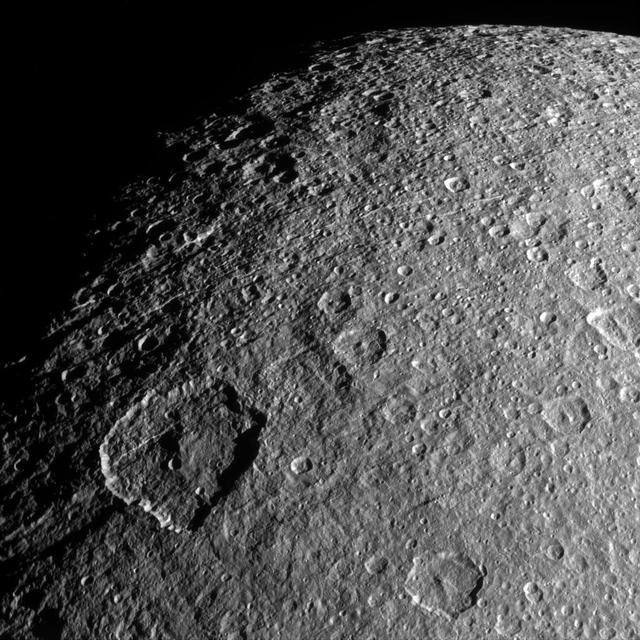
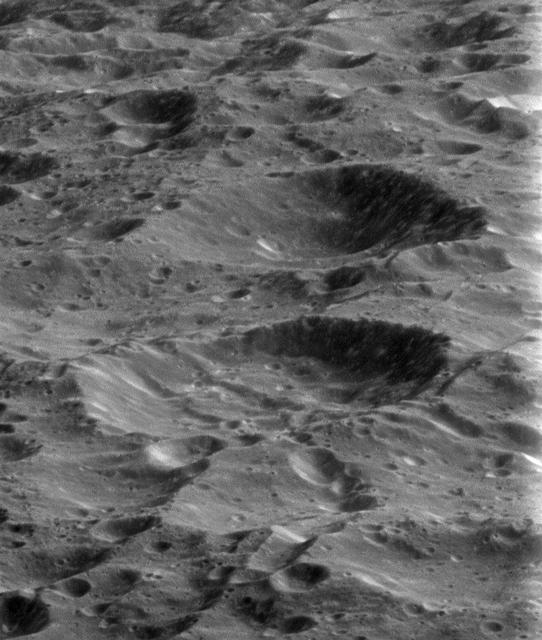
The surface of Saturn moon Rhea bears witness to its violent history. Each crater seen here by NASA Cassini spacecraft records an impact in the moon past.
Rhea Record
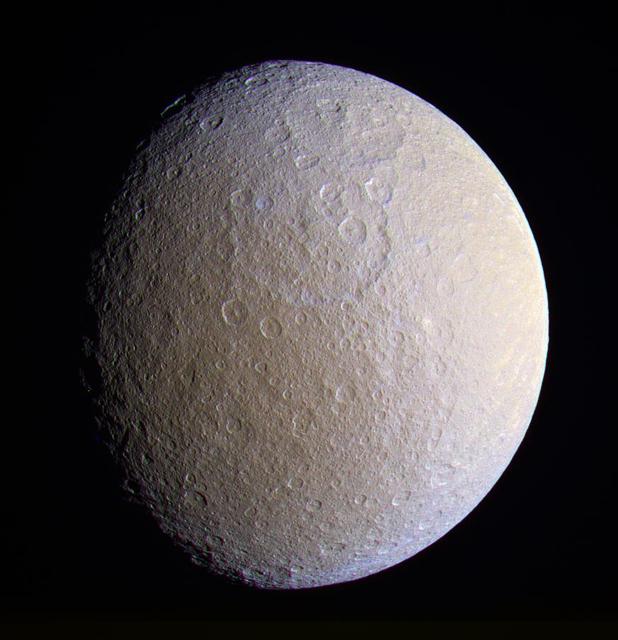
Rhea in Natural Color
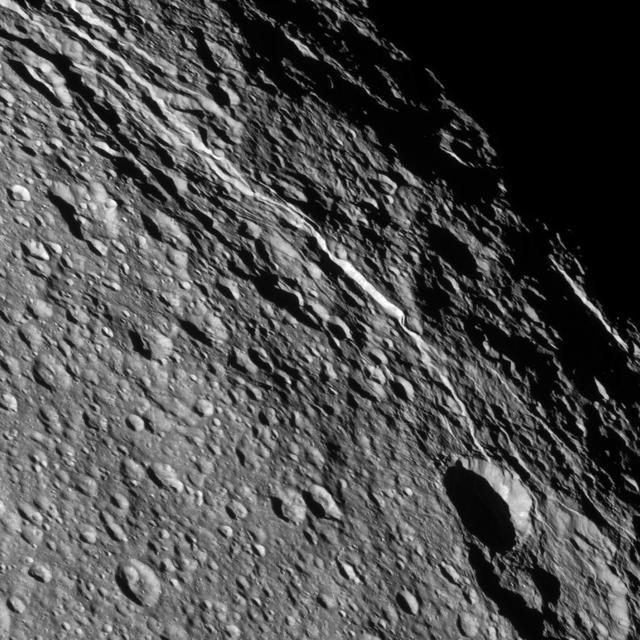
Wispy markings reach out across Rhea surface from its trailing hemisphere. The bright markings appear to be fractures, like those found on Dione
Rhea Bright Wisps