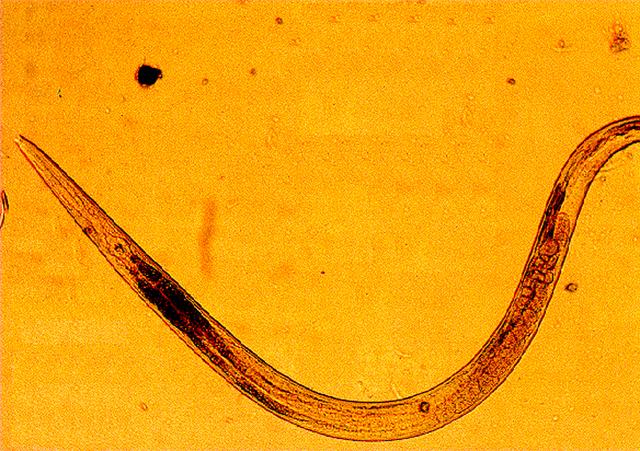
Over a billion of mostly third world people are infected with a roundworm known as ascarids. Ascarids are tiny parasites that infect the intestinal tract of vertebrates. Movement of the larvae into the brain or other parts of the body can p…
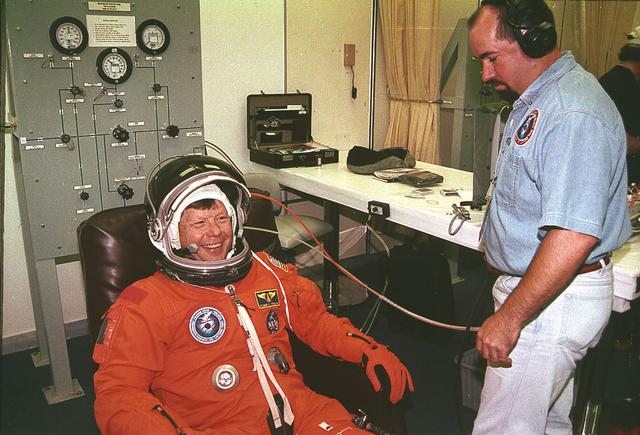
STS-94 Payload Specialist Roger K. Crouch is helped into his launch/entry suit by a suit technician in the Operations and Checkout (OC) building after the suit has been given a pressure test. He is the Chief Scientist of the NASA Microgravi…

Dr. Aggarwal installing a flight seed in the Fluid Experiment System.
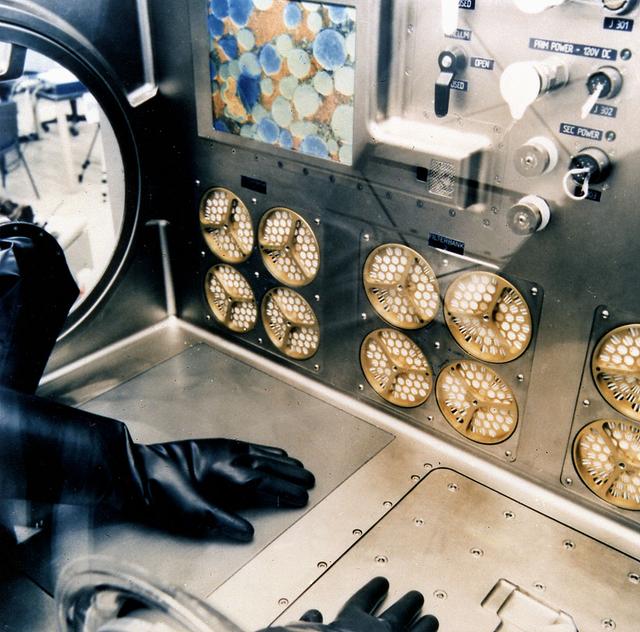
The Microgravity Science Glovebox is a facility for performing microgravity research in the areas of materials, combustion, fluids and biotechnology science. The facility occupies a full ISPR, consisting of: the ISPR rack and infrastructure…
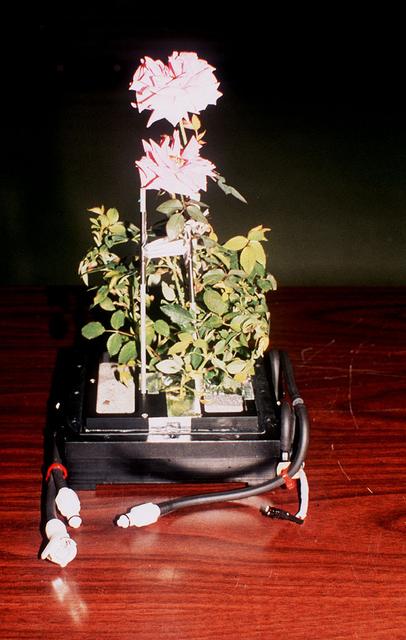
After the Overnight Scentsation rose plant's return to Earth, IFF scientists found a significant change in some of the chemical components occured while in microgravity.
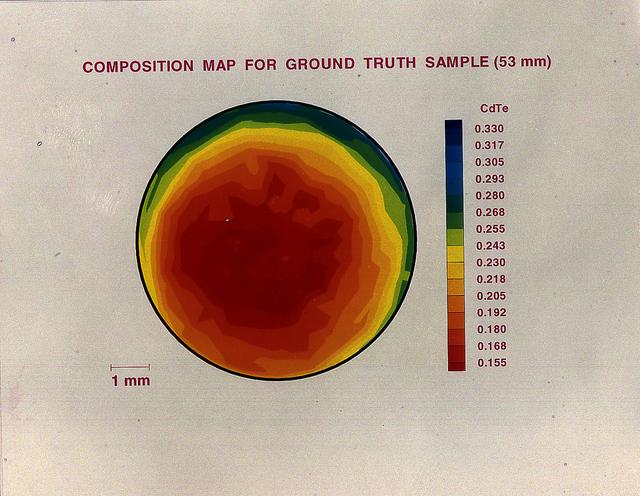
A semiconductor's usefulness is determined by how atoms are ordered within the crystal's underlying three-dimensional structure. While this mercury telluride and cadmium telluride alloy sample mixes completely in Earth -based laboratories,…
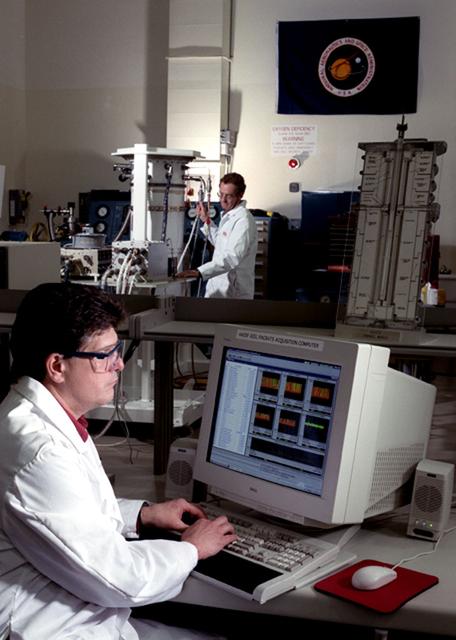
Advanced Automated Directional Solidification Furnace (AADSF) G-Cel with Fred Flack and Wayne Gandy in the Microgravity Development Laboratory clean room.
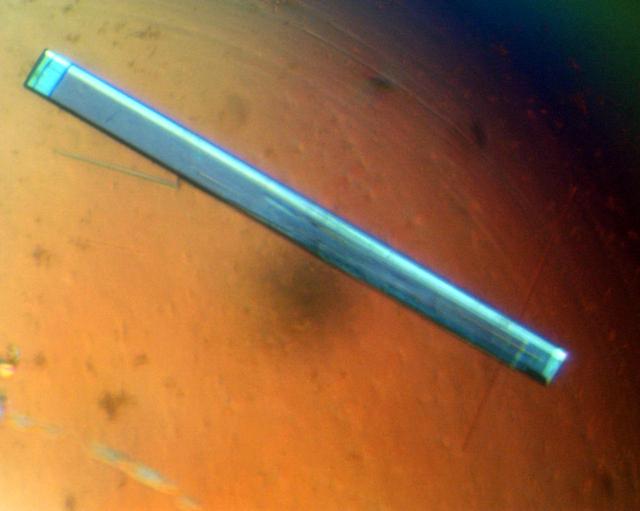
Parvalbumins are found in the muscles, endocrine glands, skin cells, and some neurons of vertebrates, but the role they play for musculature is not yet understood. Researchers are exploring theories of a correlation between parvalbumin conc…

STS-64, Astronaut Marc Lee tests the (SAFER) Simplified Aid for Eva Rescue system 130 nautical miles above earth.
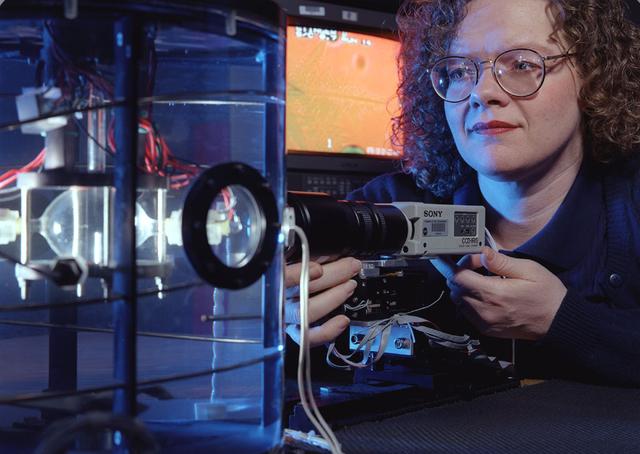
Jeri Briscoe of the video team inspects the optical system for proper alignment during a test run of the Equiaxed Dendritic Solidification Experiment (EDSE) located in the Microgravity Development Laboratory (MDL).
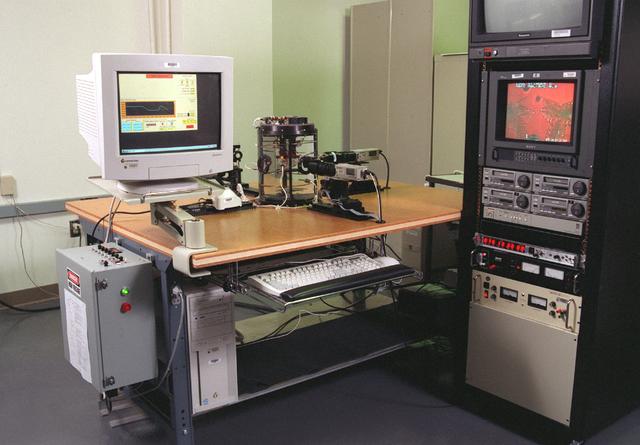
The Equiaxed Dendritic Solidification Experiment (EDSE) is a material sciences investigation under the Formation of Microstructures/pattern formation discipline. The objective is to study the microstructural evolution of and thermal interac…
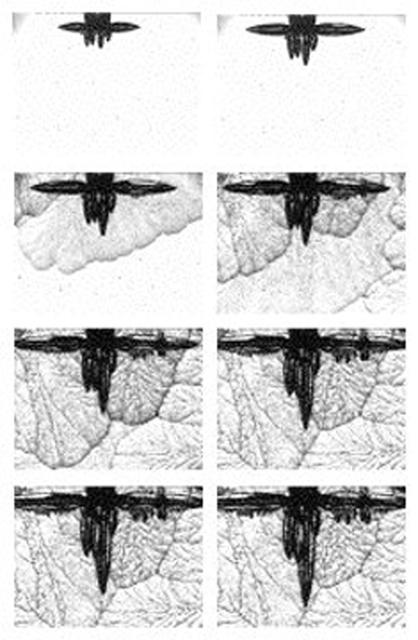
This series of images, captured during the mission, shows the growth of a dendrite in the IDGE. Flown on STS-84 USMP-4.
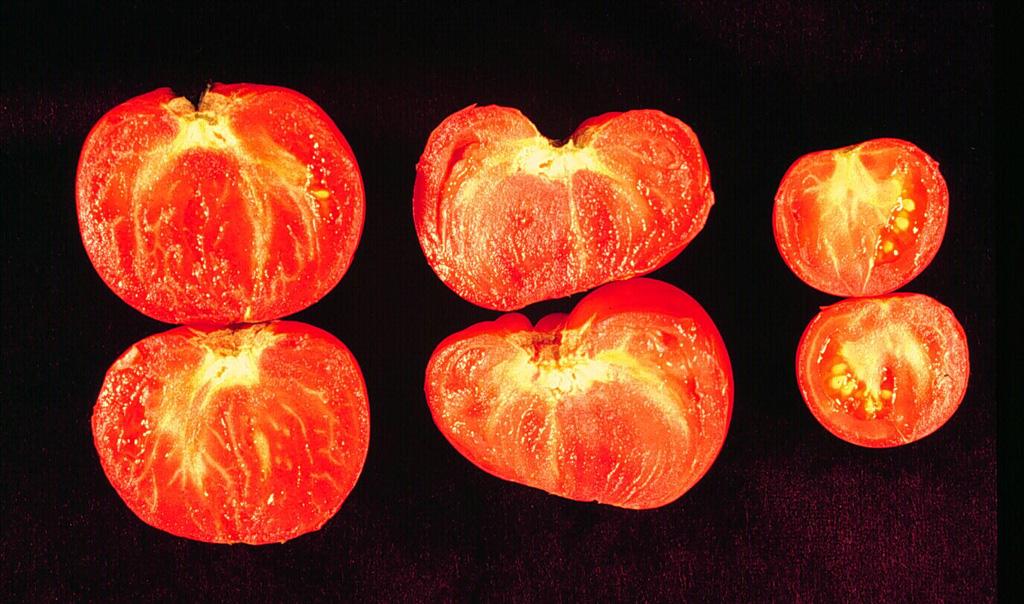
BioServe researcher Dr. Yi Li first flew plant experiments on board STS-63. Li discovered that exposure to microgravity increased a particular hormone concentration in plants. Since that time, Li has been able to manipulate this phenomenon…
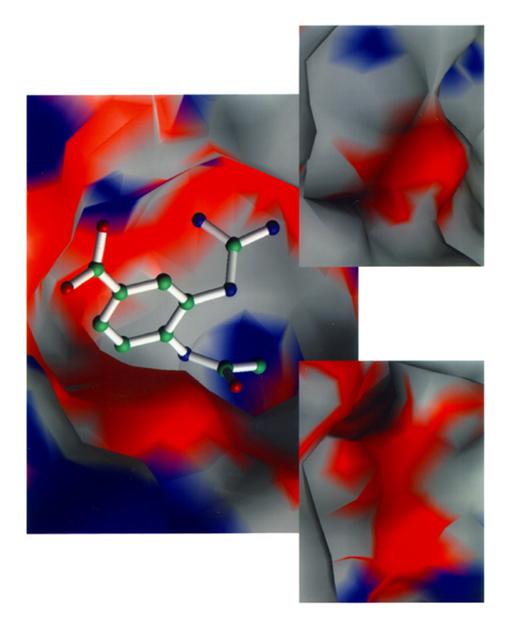
The loss of productivity due to flu is staggering. Costs range as much as $20 billio a year. High mutation rates of the flu virus have hindered development of new drugs or vaccines. The secret lies in a small molecule which is attached to t…
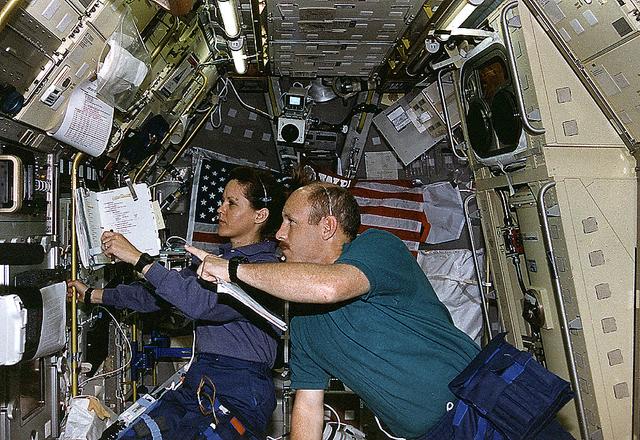
Onboard Space Shuttle Columbia (STS-73) Payload Commander Kathryn Thornton and Commander Ken Bowersox discuss the Drop Physics Module (DPM) experiment in the United States Microgravity Laboratory 2 (USML-2) spacelab science module.
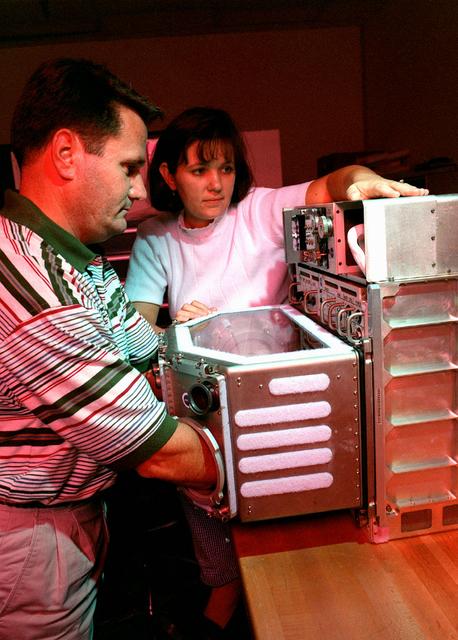
Mary-Etta Wright and Dornie McCaghren with Russia's Mir Flight Glovebox.

Bill Davis performing checkout at the Materials Experiment Assembly (MEA) Isothermal Furnace.

Internation Flavors and Fragrances Inc. proprietary research technology, Solid Phase Micro Extraction (SPME) utilizes a special fiber needle placed directly next to the bloom of the living flower to collect the fragrance molecules. SPME was…
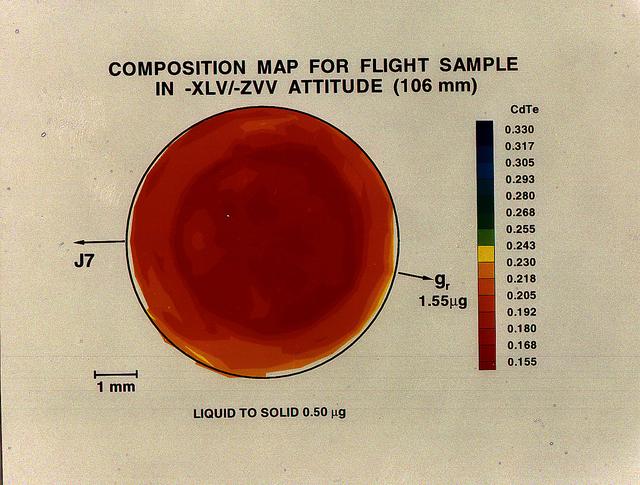
A semiconductor's usefulness is determined by how atoms are ordered within the crystal's underlying three-dimensional structure. While this mercury telluride and cadmium telluride alloy sample mixes completely in Earth -based laboratories,…
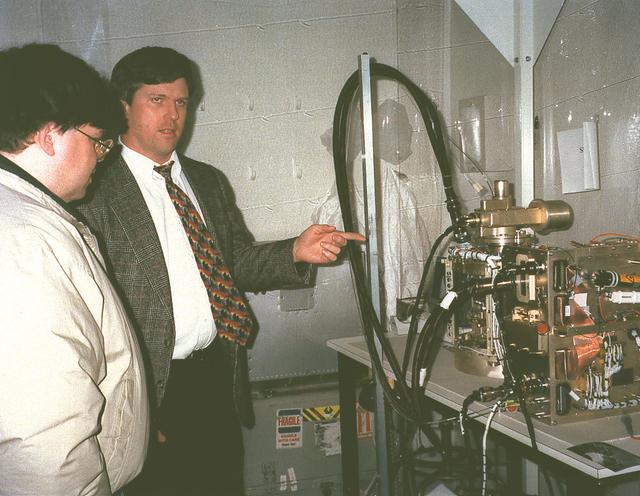
Joel Kearns viewing a laboratory demonstration of the Observable Protein Crystal Growth Apparatus (OPCGA) experiment module. Principal Investigator is Alexander McPherson. First flight plarned for ISS.
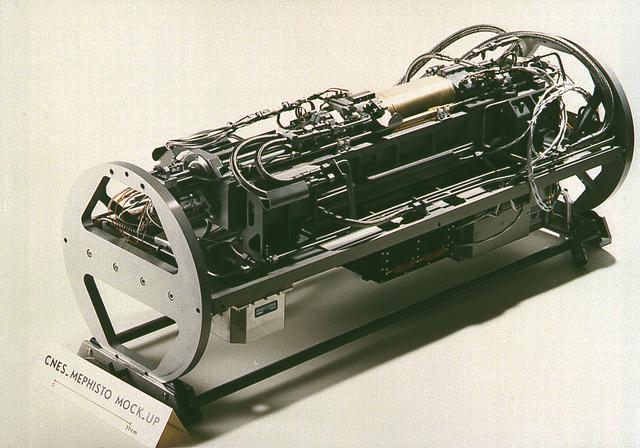
The MEPHISTO experiment is a cooperative American and French investigation of the fundamentals of crystal growth. MEPHISTO is a French-designed and built materials processing furnace. MEPHISTO experiments study solidation (also called freez…
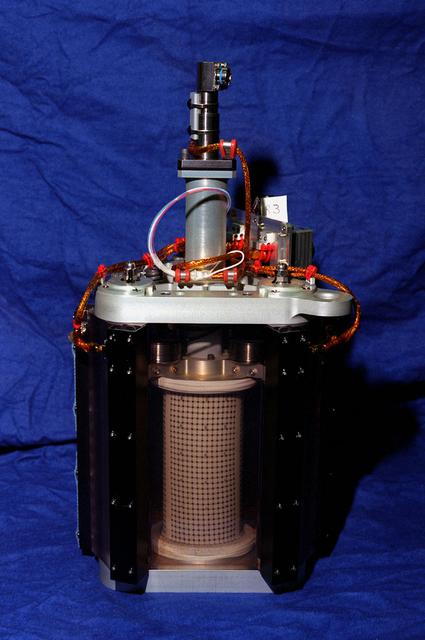
Mechanics of Granular Materials (MGM) Z Axis
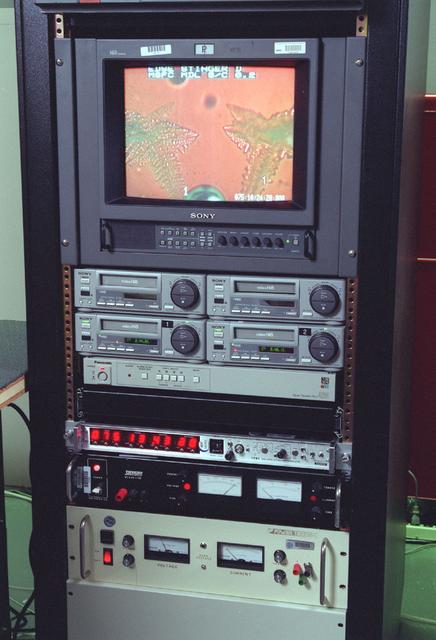
The Equiaxed Dendritic Solidification Experiment (EDSE) is a material sciences investigation under the Formation of Microstructures/pattern formation discipline. The objective is to study the microstructural evolution of and thermal interac…
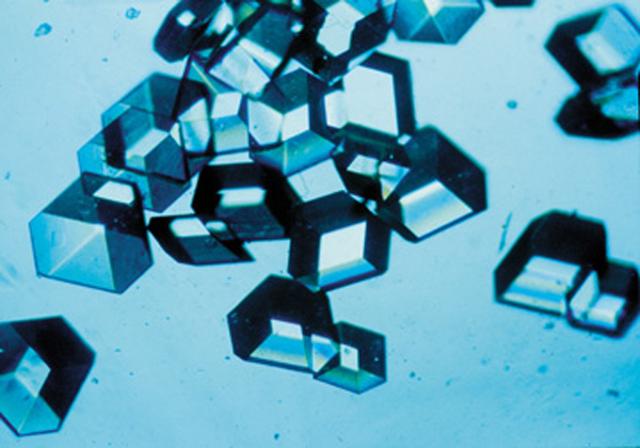
The manipulation of organic materials--cells, tissues, and even living organisms--offers many exciting possibilities for the future from organic computers to improved aquaculture. Commercial researchers are using the microgravity environmen…
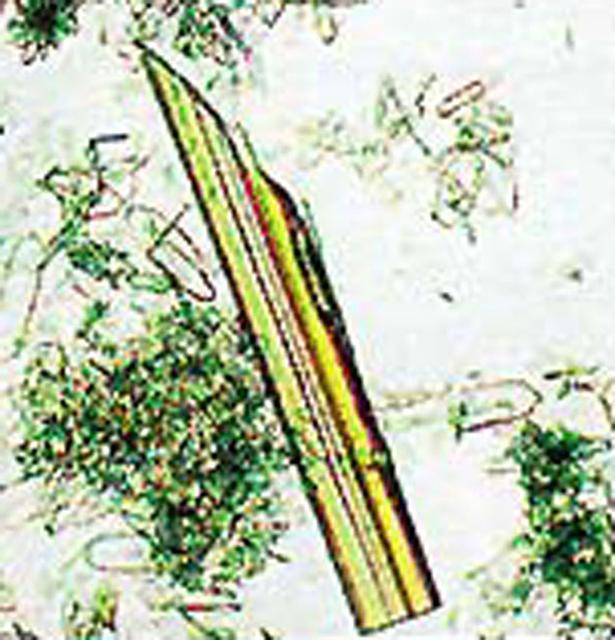
Both (Porcine and bacterial) starch degrading enzymes highly valued by the biotechnology industry. (Porcine) A major target for protein engineering and the study of diabetes, obesity and dental care. (Bacterial) Major industrial and biotech…
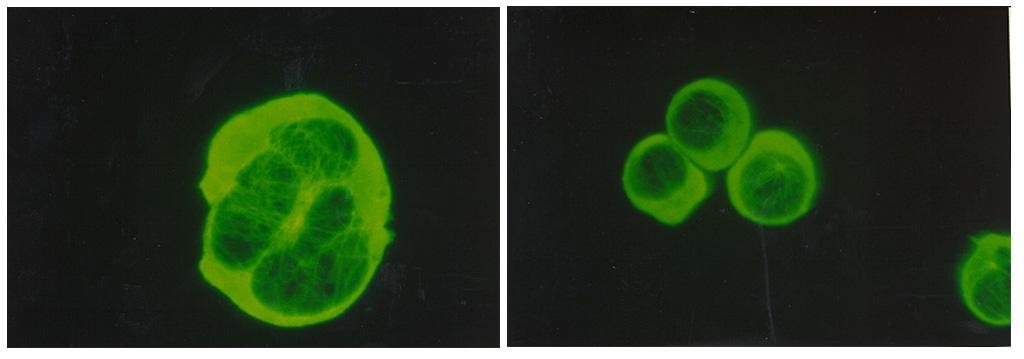
Biomedical research offers hope for a variety of medical problems, from diabetes to the replacement of damaged bone and tissues. Bioreactors, which are used to grow cells and tissue cultures, play a major role in such research and productio…

Peter Curerri with KC-135 experiment hardware, a prototype aircraft version of Advanced Automated Directional Solidification Furnace (AADSF).

Artist concept of Apollo Soyuz

Space Shuttle Endeavour (STS-47) onboard photo of Astronaut Jan Davis inside the Spacelab-J module. Spacelab-J is a combined National Space Development Agency of Japan (NASDA) and NASA mission. The objectives included life sciences, microgr…

Some of the earliest concerns about fluid behavior in microgravity was the management of propellants in spacecraft tanks as they orbited the Earth. On the ground, gravity pulls a fluid to a bottom of a tank (ig, left). In orbit, fluid behav…

Crystal Growth Furnace (CGF) without the EAC internal support structure. Flown on USML-1 and USML-2. The Principal Investigators on these flights were: Larson, Lehoczky, Matthiesen, Wiedemeier. Processed 6 samples on USML-1 and 7 samples on…

Astronaut Tamara Jernigan, STS-67 payload commander, and payload specialist Samuel T. Durrance use the absence of gravity for a perusal of Astro-2 targets in a loose-leaf, Rolodex-type collection of data. The two are in the mid-deck of the…
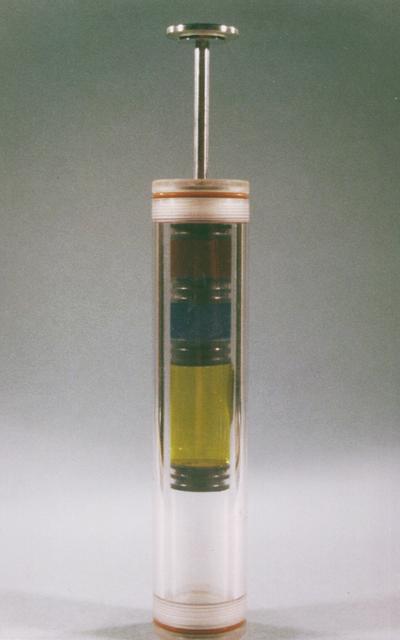
CGBA, a facility developed by BioServe Space Technologies, a NASA Commercial Generic Bioprocessing Space Center, allows a variety of sophisticated bioprocessing research to be performed using a common device. The Fluids Processing Apparatus…
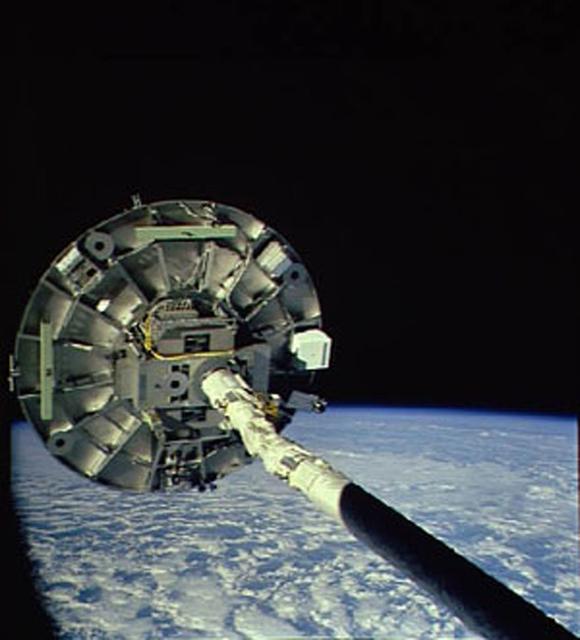
The Wake Shield Facility (WSF) is a free-flying research and development facility that is designed to use the pure vacuum of space to conduct scientific research in the development of new materials. The thin film materials technology develo…
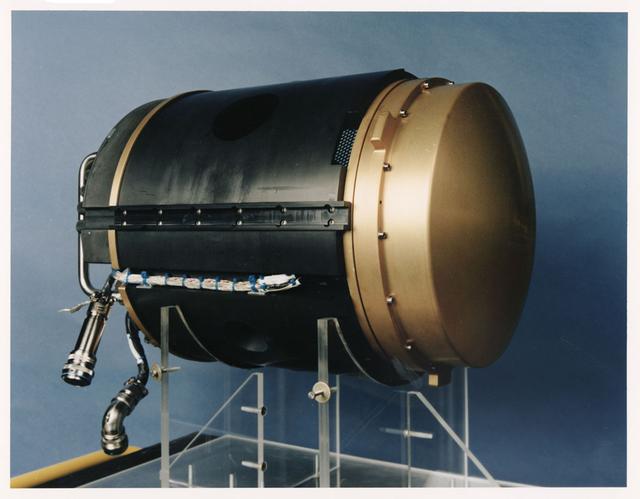
Structure Of Flame Balls At Low Lewis-numbers (SOFBALL) Experiment Mounting Structure (EMS) was used to conduct the SOFBALL experiment on Combustion Module-1. The EMS was inserted into the CM-1 combustion chamber. The chamber was filled wit…

High school students observe the progress of the Isothermal Dendritic Growth Experiment (IDGE) during the U.S. Microgravity Payload-4 mission (STS-87, Nov. 19 - Dec. 5, 1997) at the IDGE Remote Operations Control Center (ROCC) at Rensselaer…
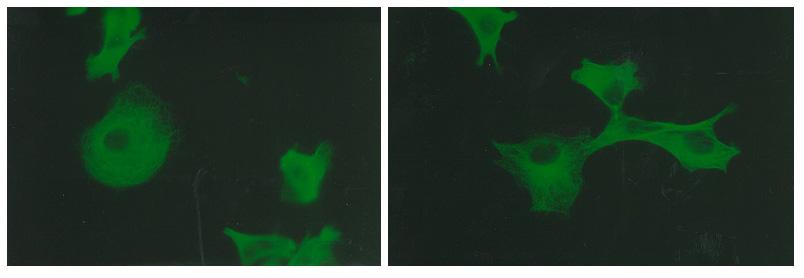
Biomedical research offers hope for a variety of medical problems, from diabetes to the replacement of damaged bone and tissues. Bioreactors, which are used to grow cells and tissue cultures, play a major role in such research and productio…
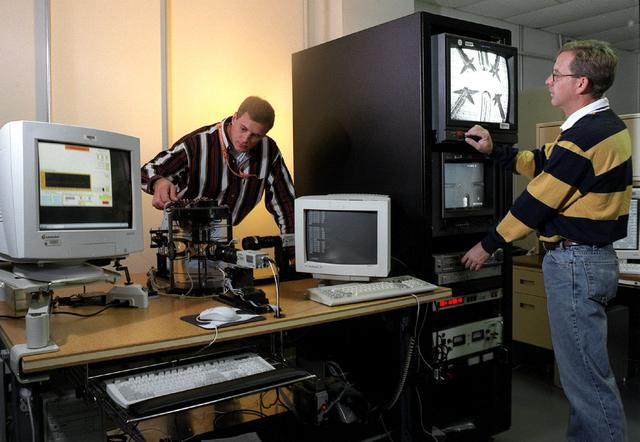
Test engineers, TK Pedergrass and Dave McIntosh, are growing multiple dendrites in an undercooled melt of ultra pure succinonitrile (SCN). Images and temperature measurements will give Dr. Christoph Beckerman, the EDSE Principal Investigato…
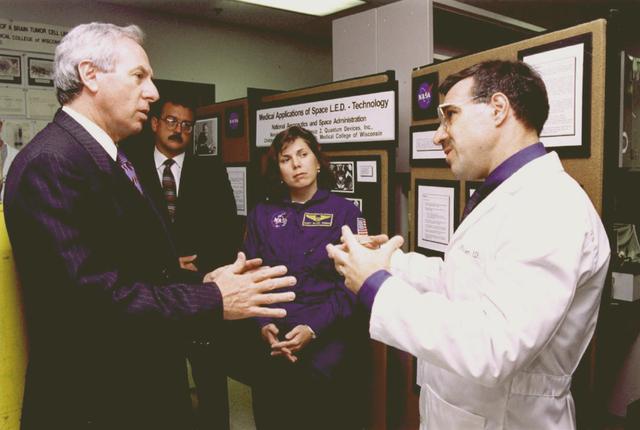
NASA Administrator Dan Goldin (left), during a visit at Children's Hospital of Wisconsin in Milwaukee, Wisconsin, discussed how NASA's special lighting technology may soon treat cancer. Goldin talked with Dr.Harry Whelan (right) and Dr. Ker…

The Advanced Automated Directional Solidification Furnace (AADSF) with the Experimental Apparatus Container (EAC) removed flew during the USMP-2 mission. During USMP-2, the AADSF was used to study the growth of mercury cadmium telluride cry…
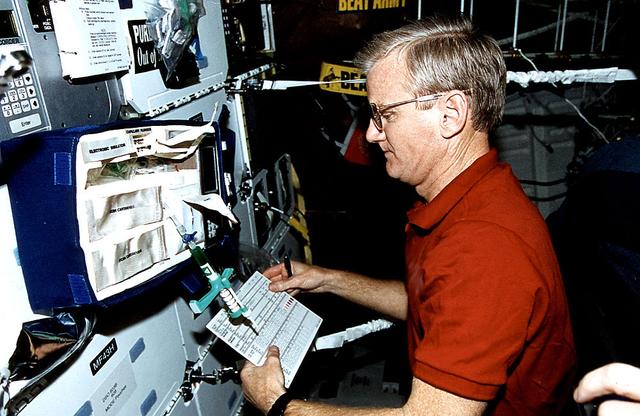
Onboard Space Shuttle Columbia (STS-62) Mission commander John H. Casper takes stock of paraphenalia used to support medical testing onboard Columbia's mid-deck.
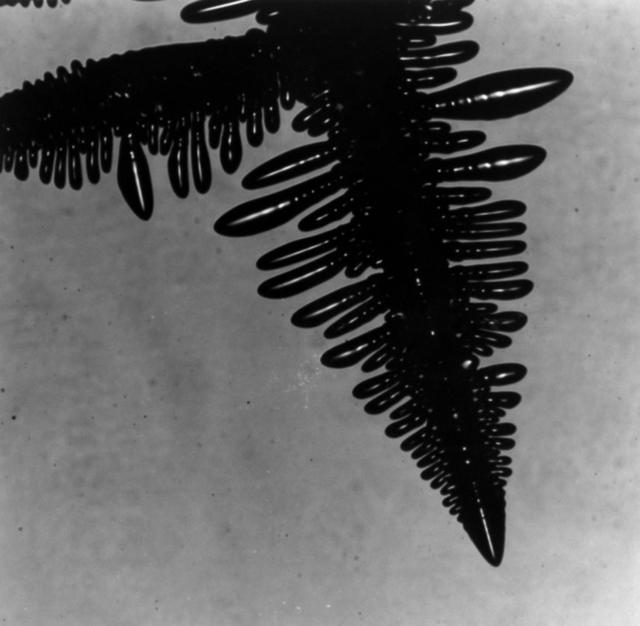
Typical picture of a dendrite: Notice how the branch on the left has no arms coming off the top. This is because of the convective forces (hot liquid rises) that the top of the branch is not solidifying (growing arms) like the bottom, coole…

This photograph from CFM shows a candle flame burning over time in microgravity, it shows pieces of wax or soot moving through the flame about 25 seconds after ignition.
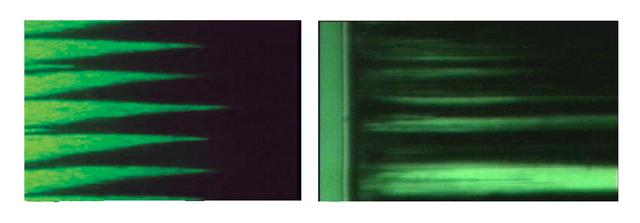
These are video microscope images of magnetorheological (MR) fluids, illuminated with a green light. Those on Earth, left, show the MR fluid forming columns or spikes structures. On the right, the fluids in microgravity aboard the Internat…
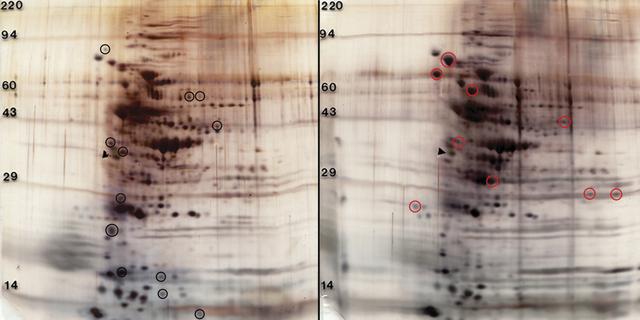
These gels were obtained by two-dimensional (2D) electrophoresis, in which proteins move different substances through a polyacrylamide gel matrix based on their molecular weight and total charge in an electric field. The gels illustrate pri…

Interior view of Spacelab 1 to show layout of equipment and astronauts testing tools. Operations Checkout (O C) Building located at KSC.
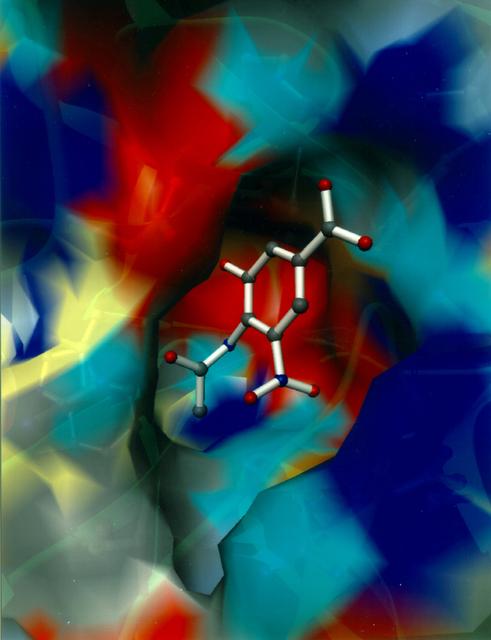
The reproduction process of all strains of influenza are dependent on the same enzyme neuraminidase. Pharmaceutical companies have been developing drugs that can inhibit the function of neuraminidase hoping to create an effective weapon aga…
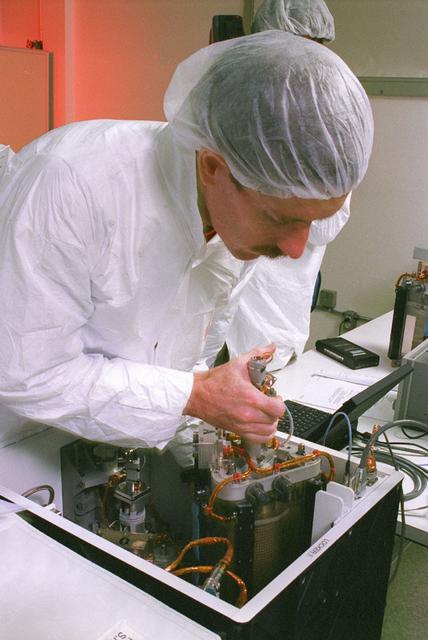
Astronauts Jim Reilly and Bornie Dunbar are going through the Mechanics of Granular Materials (MGM) experiment procedures as they are expected to run in flight; to gain experience with the experiment equipment and to test the clarity and la…