Rohit Bhartia of NASA's Mars 2020 mission holds a slice of a meteorite scientists have determined came from Mars. This slice will likely be used here on Earth for testing a laser instrument for NASA's Mars 2020 rover; a separate slice will…
A Martian Meteorite for Mars 2020
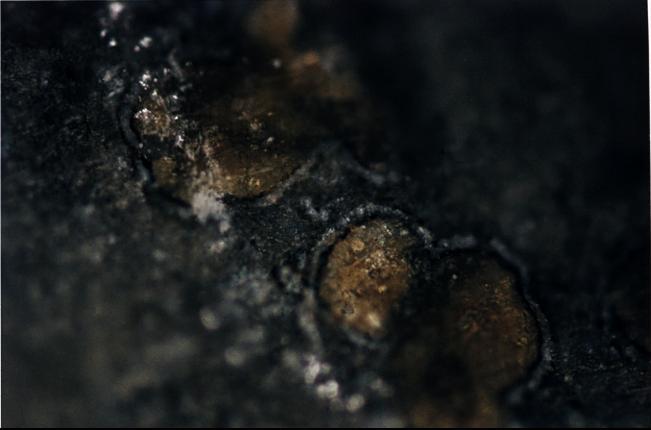
This photograph shows orange-colored carbonate mineral globules found in a meteorite, called ALH84001, believed to have once been a part of Mars.  http://photojournal.jpl.nasa.gov/catalog/PIA00290
Mars Life? - Orange-colored Carbonate Mineral Globules
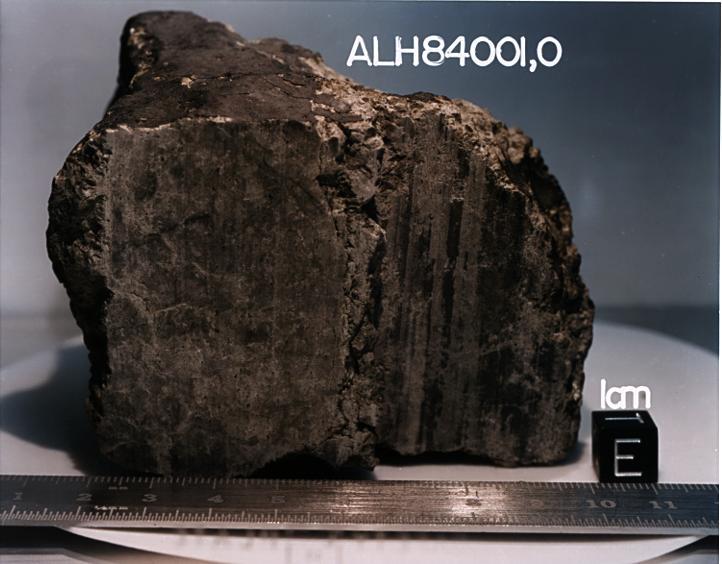
This 4.5 billion-year-old rock, labeled meteorite ALH84001, is one of 10 rocks from Mars in which researchers have found organic carbon compounds that originated on Mars without involvement of life.  http://photojournal.jpl.nasa.gov/catalog…
Carbon Compounds from Mars Found Inside Meteorite ALH84001
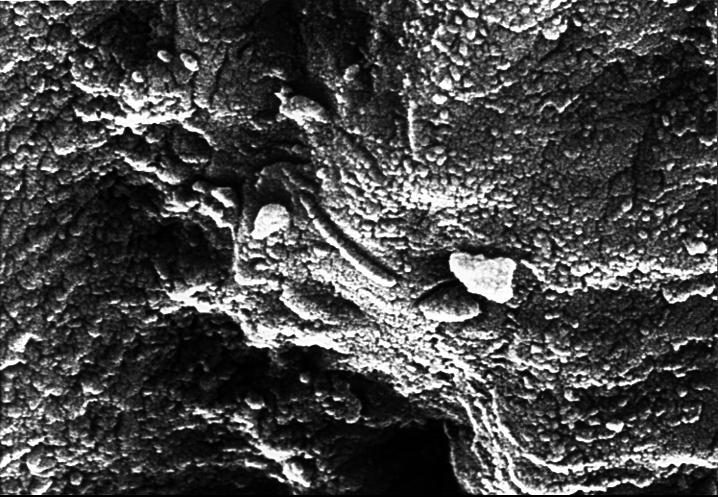
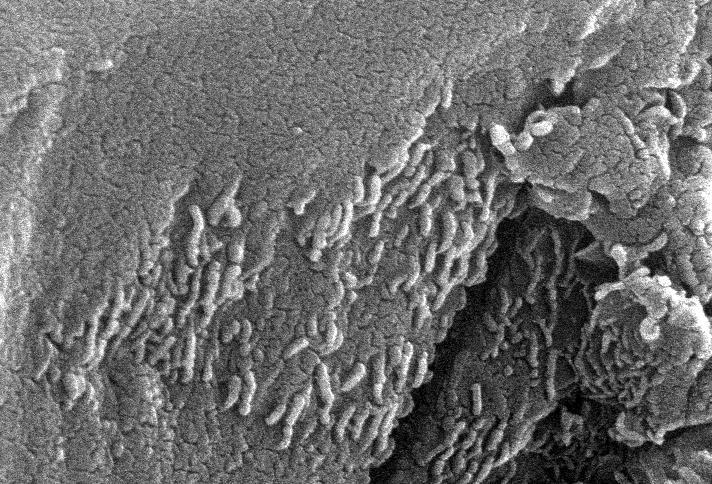
This high-resolution scanning electron microscope image shows an unusual tube-like structural form that is less than 1/100th the width of a human hair in size found in meteorite ALH84001, a meteorite believed to be of Martian origin.  http:…
Mars Life? - Microscopic Tube-like Structures
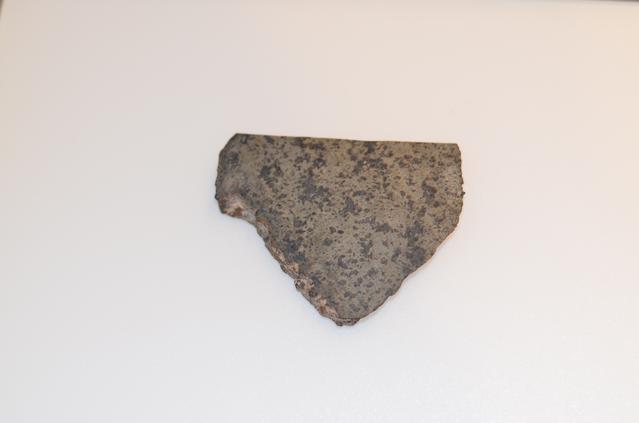
Close-up of a slice of a meteorite scientists have determined came from Mars. This slice will likely be used here on Earth for testing a laser instrument for NASA's Mars 2020 rover; a separate slice will go to Mars on the rover.  Martian me…
Close-up of a Mars Meteorite
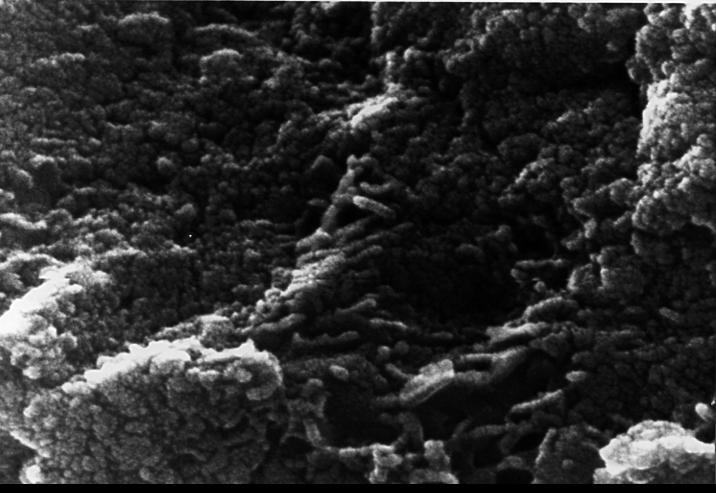
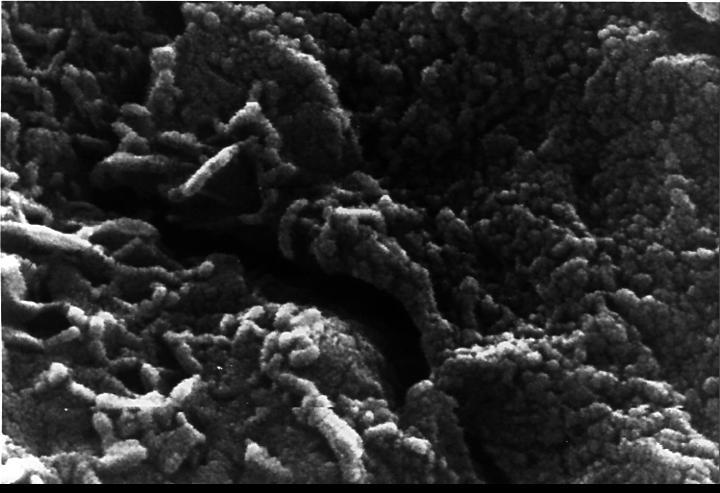
This electron microscope image shows tubular structures of likely Martian origin. These structures are very similar in size and shape to extremely tiny microfossils found in some Earth rocks.  http://photojournal.jpl.nasa.gov/catalog/PIA002…
Mars Life? - Microscopic Tubular Structures
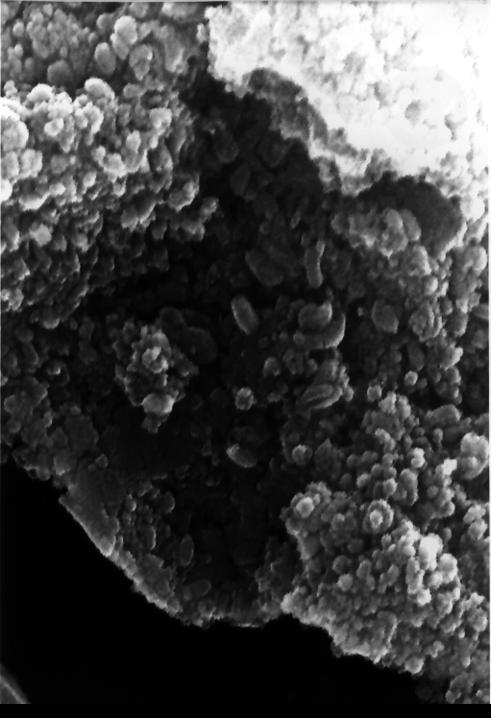
This electron microscope image shows extremely tiny tubular structures that are possible microscopic fossils of bacteria-like organisms that may have lived on Mars more than 3.6 billion years ago.  http://photojournal.jpl.nasa.gov/catalog/P…
Mars Life? - Microscopic Tubular Structures
In the center of this electron microscope image of a small chip from a meteorite are several tiny structures that are possible microscopic fossils of primitive, bacteria-like organisms that may have lived on Mars more than 3.6 billion years…
Mars Life? - Microscopic Structures
Philippe Étienne, French Ambassador to the U.S. touches a Mars meteorite at the NASA exhibit during the 70th International Astronautical Congress, Wednesday, Oct. 23, 2019, at the Walter E. Washington Convention Center in Washington. Photo…
70th International Astronautical Congress
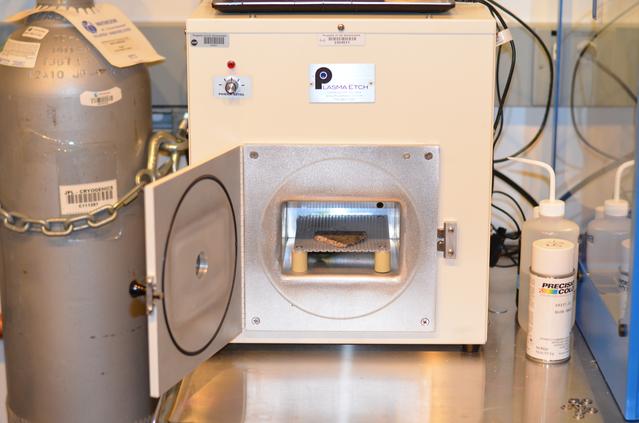
A slice of a meteorite scientists have determined came from Mars placed inside an oxygen plasma cleaner, which removes organics from the outside of surfaces. This slice will likely be used here on Earth for testing a laser instrument for NA…
Cleaning a Martian Meteoritean Meteorite
This electron microscope image shows egg-shaped structures, some of which may be possible microscopic fossils of Martian origin as discussed by NASA research published in the Aug. 16, 1996.  http://photojournal.jpl.nasa.gov/catalog/PIA00286
Mars Life? - Microscopic Egg-shaped Structures
This electron microscope image is a close-up of the center part of photo number S96-12301.  http://photojournal.jpl.nasa.gov/catalog/PIA00284
Mars Life? - Microscopic Tube-like Structures
No more images