Often called the "Father of the Lifting Bodies," NASA aerospace engineer Dale Reed enjoys a moment in the cockpit of the restored wingless M2-F1 in 1997.
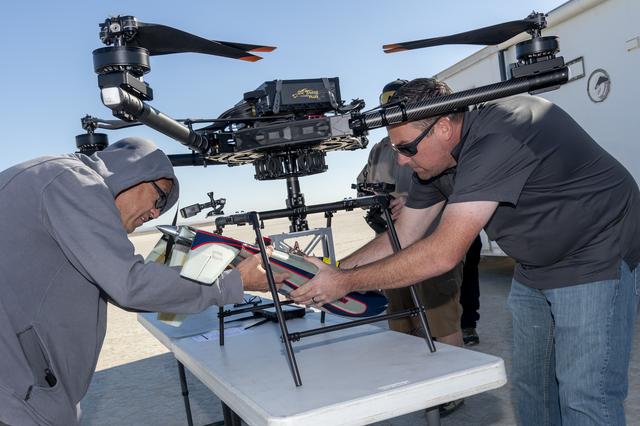
Justin Link, pilot for small uncrewed aircraft systems, installs weather instruments on NASA’s Alta X drone at the agency’s Armstrong Flight Research Center in Edwards, California. Members of the center’s Dale Reed Subscale Flight Research…
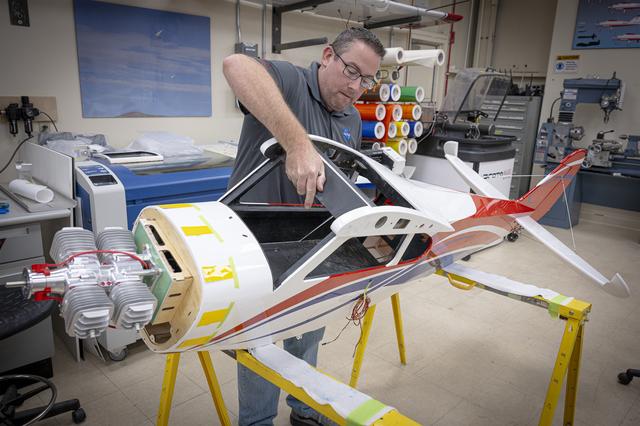
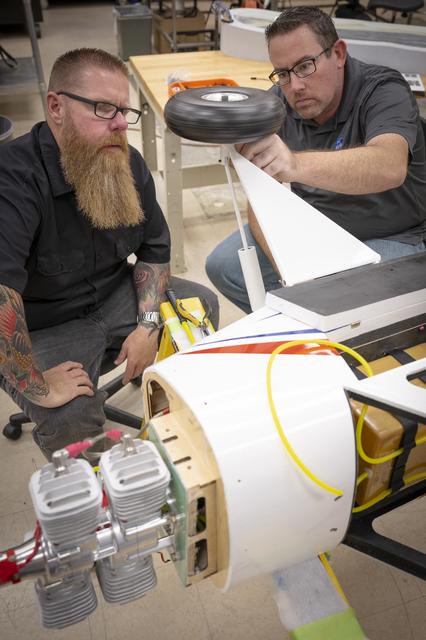
Justin Hall, left, and Justin Link attach the wings onto a subscale aircraft on Wednesday, Sept. 3, 2025, at NASA’s Armstong Flight Research Center in Edwards, California. Hall is chief pilot at the center’s Dale Reed Subscale Flight Resear…
Justin Link, left, holds the subscale aircraft in place, while Justin Hall manages engine speed during preliminary engine tests on Friday, Sept. 12, 2025, at NASA’s Armstong Flight Research Center in Edwards, California. Link is a pilot for…
An experimental radio-controlled model aircraft casts two unique shadows as it flies inside a Dryden hangar using two spotlights as energy sources. This phase of testing was used to develop procedures and operations for "handing off" the ai…
Justin Link, left, pilot for small uncrewed aircraft systems, and Justin Hall, chief pilot for small uncrewed aircraft systems, install weather instruments on NASA’s Alta X drone at the agency’s Armstrong Flight Research Center in Edwards,…
Justin Link, left, and Justin Hall attach an engine onto a subscale aircraft on Wednesday, Sept. 3, 2025, at NASA’s Armstong Flight Research Center in Edwards, California. Link is a pilot for small uncrewed aircraft systems at the center’s…
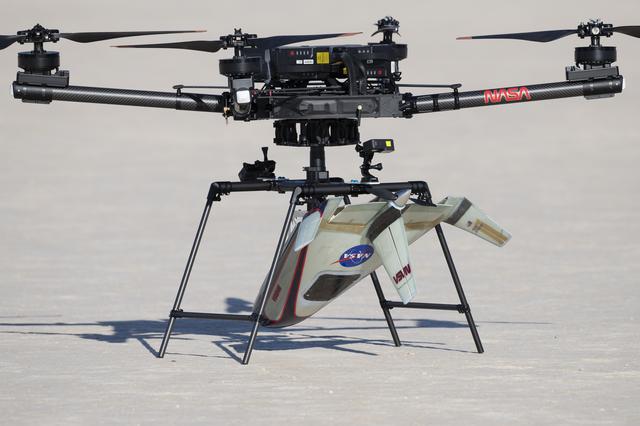
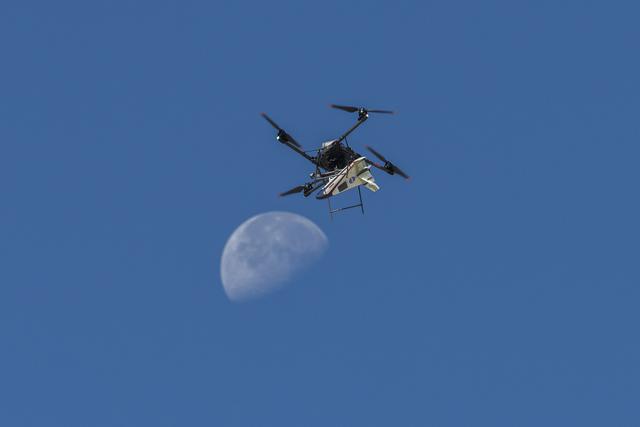
An atmospheric probe model attached upside down to a quad rotor remotely piloted aircraft ascends with the Moon visible on Oct. 22, 2024. The quad rotor aircraft released the probe above Rogers Dry Lake, a flight area adjacent NASA’s Armstr…
A Preliminary Research Aerodynamic Design to Land on Mars, or Prandtl-M, glider was air launched Sept. 7 using a magnetic release mechanism mounted on a Carbon-Z Cub. The team, based at NASA's Armstrong Flight Research Center in Edwards, Ca…
Crew members load a Spacewedge subscale research model into a Cessna aircraft for flight testing in 1996. The Spacewedge was drop-launched from the Cessna and then glided back to a soft landing under a steerable parafoil.
This photo shows the instrumentation and equipment inside the Spacewedge #3, a remotely-piloted research vehicle flown at the Dryden Flight Research Center, Edwards, California, to help develop technology for autonomous return systems for s…
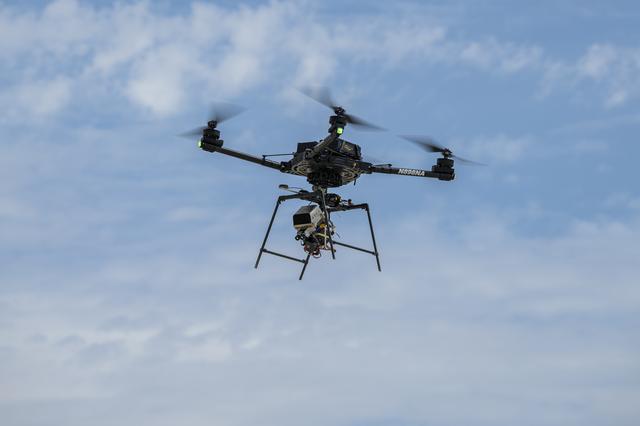
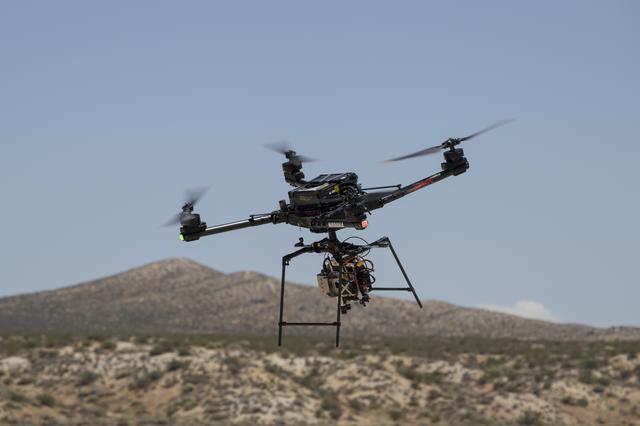
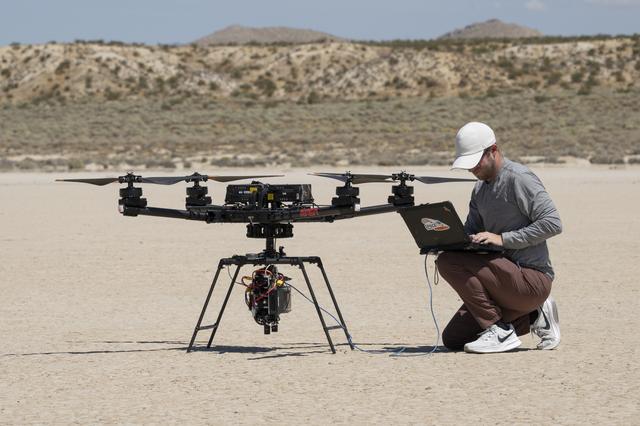
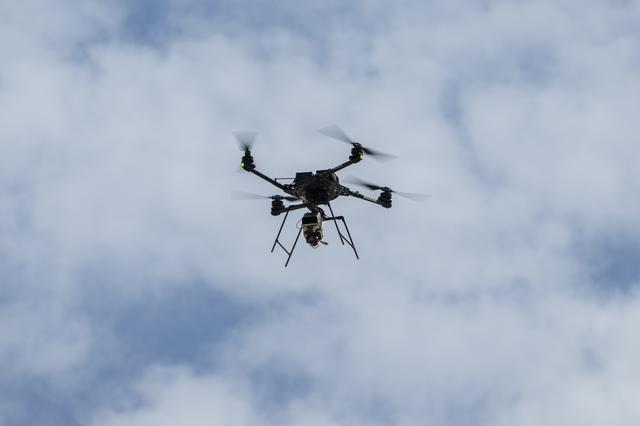
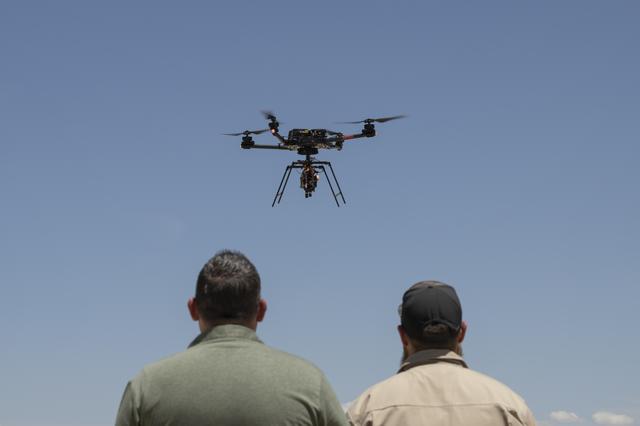
An Alta-X drone flies an advanced guidance and navigation system known as the Safe and Precise Landing – Integrated Capabilities Evolution (SPLICE) experiment near NASA’s Armstrong Flight Research Center in Edwards, California, on Thursday,…
An Alta-X drone flies an advanced guidance and navigation system known as the Safe and Precise Landing – Integrated Capabilities Evolution (SPLICE) experiment near NASA’s Armstrong Flight Research Center in Edwards, California, on Wednesda…
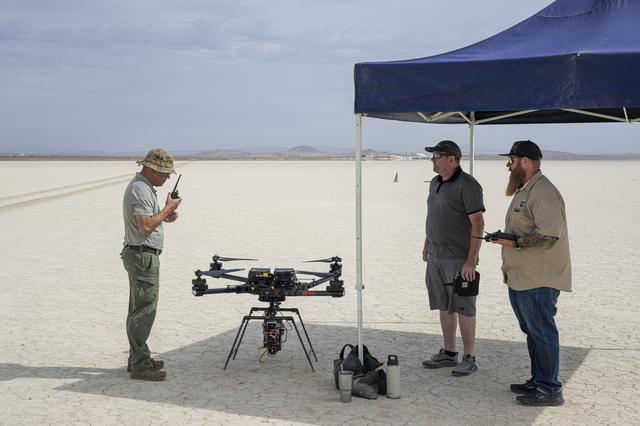
Derek Abramson, Dale Reed Subscale Flight Research Laboratory chief engineer, left, communicates with the Edwards Air Force Base air traffic control tower for approval to fly the Alta-X drone near NASA’s Armstrong Flight Research Center in…
Flight Research Center and Dryden Flight Research Center engineer R. Dale Reed has long used free-flight models to test new concepts. This photo from 1963 shows two different models of the M2-F2 (one under the Mothership) and four Hyper III…
Justin Hall, left, controls a subscale aircraft as Justin Link holds the aircraft in place during preliminary engine tests on Friday, Sept. 12, 2025, at NASA’s Armstong Flight Research Center in Edwards, California. Hall is chief pilot at t…
Justin Link turns a subscale aircraft on its side to continue work to mark where the engine cowl will go and where to line it up for attachment on Wednesday, Sept. 3, 2025, at NASA’s Armstong Flight Research Center in Edwards, California. L…
Justin Hall, left, and Justin Link secure a wing onto a subscale aircraft on Wednesday, Sept. 3, 2025, at NASA’s Armstong Flight Research Center in Edwards, California. Hall is chief pilot at the center’s Dale Reed Subscale Flight Research…
Dryden Model Shop's Tony Frakowiak remotely flies an experimental model aircraft being powered by a spotlight operated by student intern Derrick Barrett.
Justin Link, left, pilot for small uncrewed aircraft systems, and Justin Hall, chief pilot for small uncrewed aircraft systems, install weather instruments on NASA’s Alta X drone at the agency’s Armstrong Flight Research Center in Edwards,…
Justin Hall attaches part of the landing gear of a subscale aircraft on Friday, Sept. 12, 2025, at NASA’s Armstong Flight Research Center in Edwards, California. Hall is the chief pilot at the center’s Dale Reed Subscale Flight Research Lab…
Davis Adams, project manager, confirms that an advanced guidance and navigation system known as the Safe and Precise Landing – Integrated Capabilities Evolution (SPLICE) experiment is communicating with an Alta-X drone near NASA’s Armstron…
The Preliminary Research Aerodynamic Design to Land on Mars, or Prandtl-M, glider flies after a magnetic release mechanism on the Carbon-Z Cub was activated to air launch the aircraft. A team from NASA's Armstrong Flight Research Center in…
A Prandtl-M prototype is air launched from the Carbon Cub aircraft March 13, 2020, at NASA’s Armstrong Flight Research Center in California. The aircraft is the second of three prototypes of varying sizes to provide scientists with options…
An Alta-X drone flies an advanced guidance and navigation system known as the Safe and Precise Landing – Integrated Capabilities Evolution (SPLICE) experiment near NASA’s Armstrong Flight Research Center in Edwards, California, on Thursday,…
Derek Abramson, left, chief engineer for the Dale Reed Subscale Flight Research Laboratory, and Justin Link, small unmanned aircraft systems pilot, prepare an atmospheric probe model for flight on Oct. 22, 2024. A quad rotor remotely pilote…
Derek Abramson, left, chief engineer for the Dale Reed Subscale Flight Research Laboratory, and Justin Link, small unmanned aircraft system pilot, carry the atmospheric probe model and a quad rotor remotely piloted aircraft to position it f…
Justin Link, a small uncrewed aircraft pilot, left, and Justin Hall, chief pilot, fly a NASA Alta-X drone carrying an advanced guidance and navigation system known as the Safe and Precise Landing – Integrated Capabilities Evolution (SPLICE…
NASA researchers Paul Bean, center, and Mark Hagiwara, right, attach the capsule with parachute system to the Enhancing Parachutes by Instrumenting the Canopy test experiment on June 4, 2025, at NASA’s Armstong Flight Research Center in Edw…
An atmospheric probe model is attached upside down to a quad rotor remotely piloted aircraft on Oct. 22, 2024. The quad rotor aircraft released the probe above Rogers Dry Lake, a flight area adjacent NASA’s Armstrong Flight Research Center…
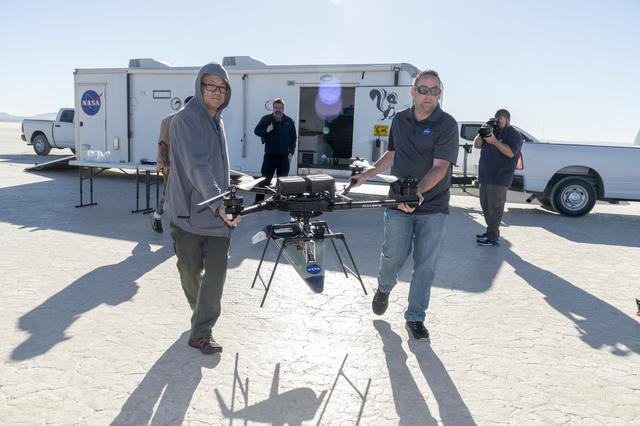
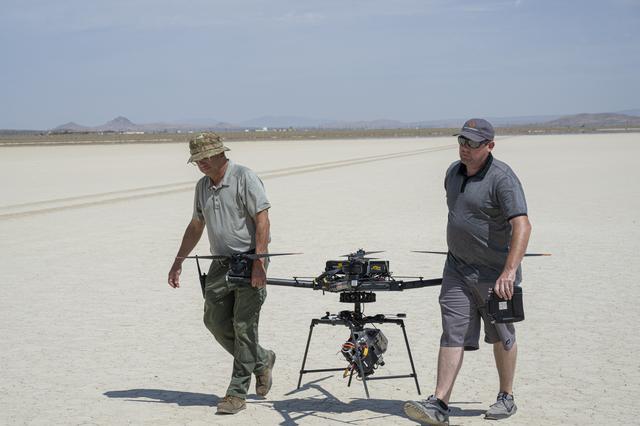
Derek Abramson, Dale Reed Subscale Flight Research Laboratory chief engineer, left, and Justin Link, small uncrewed aircraft pilot, carry NASA’s Alta-X drone near NASA’s Armstrong Flight Research Center in Edwards, California, on Thursday,…
Justin Link, left, pilot for small uncrewed aircraft systems, and Justin Hall, chief pilot for small uncrewed aircraft systems, install weather instruments on NASA’s Alta X drone at the agency’s Armstrong Flight Research Center in Edwards,…
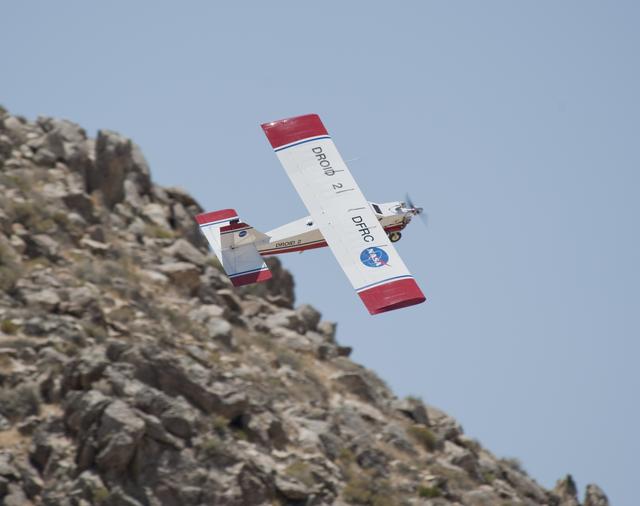
NASA’s Dryden Remotely Operated Integrated Drone (DROID), a small, remotely piloted research aircraft with a 10‑foot wingspan, makes a hard climbing right turn to avoid a steep rocky slope near NASA’s Armstrong Flight Research Center in Edw…
The M2-F1 Lifting Body is seen here under tow, high above Rogers Dry Lake near the Flight Research Center (later redesignated the Dryden Flight Research Center), Edwards, California. R. Dale Reed effectively advocated the project with the s…
Dryden Model Shop's Tony Frakowiak remotely flies an experimental model aircraft being powered by a spotlight operated by Dryden aerospace engineer (code RA) Ryan Warner.
Justin Hall, left, and Justin Link attach a section of landing gear onto a subscale aircraft on Friday, Sept. 12, 2025, at NASA’s Armstong Flight Research Center in Edwards, California. Hall is chief pilot at the center’s Dale Reed Subscale…
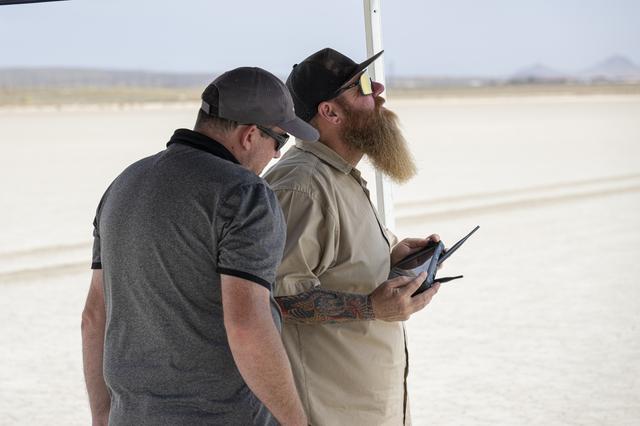
Justin Link, small uncrewed aircraft pilot, left, reads altitude data on a handheld display, as Justin Hall, Dale Reed Subscale Flight Research Laboratory chief pilot, flies NASA’s Alta-X drone near NASA’s Armstrong Flight Research Center i…
The Enhancing Parachutes by Instrumenting the Canopy project team examines a capsule and parachute following an air launch from an Alta X drone on June 4, 2025, at NASA’s Armstong Flight Research Center in Edwards, California. NASA research…
An atmospheric probe model attached upside down to a quad rotor remotely piloted aircraft ascends with the Moon visible on Oct. 22, 2024. The quad rotor aircraft released the probe above Rogers Dry Lake, a flight area adjacent NASA’s Armstr…
An atmospheric probe model attached upside down to a quad rotor remotely piloted aircraft ascends with the Moon visible on Oct. 22, 2024. The quad rotor aircraft released the probe above Rogers Dry Lake, a flight area adjacent NASA’s Armstr…
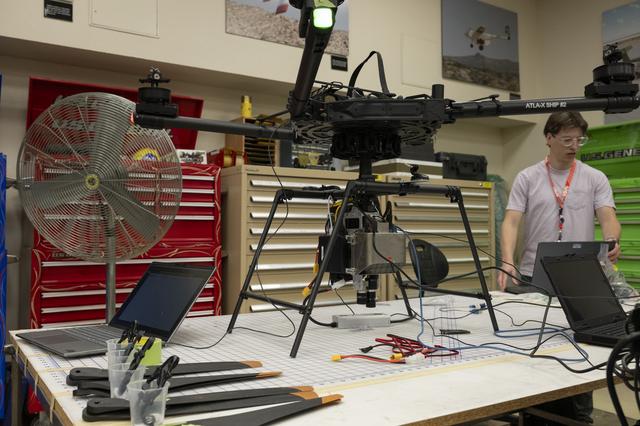
Isaac Rowe, flight software lead, tests how the advanced guidance and navigation system, known as the Safe and Precise Landing – Integrated Capabilities Evolution (SPLICE) experiment, communicates with the Alta-X drone at the Dale Reed Sub…
The atmospheric probe model flies free after release from a quad rotor remotely piloted aircraft above Rogers Dry Lake, a flight area adjacent NASA’s Armstrong Flight Research Center in Edwards, California, on Oct. 22, 2024. The probe was d…
Justin Hall, left, chief pilot of small unmanned aircraft systems, carries the atmospheric probe at NASA’s Armstrong Flight Research Center in Edwards, California. The probe, which was designed and built at the center, flew after release fr…
An atmospheric probe model attached upside down to a host quad rotor remotely piloted aircraft lifts off on Oct. 22, 2024. The quad rotor aircraft released the probe above Rogers Dry Lake, a flight area adjacent NASA’s Armstrong Flight Rese…
The atmospheric probe model flies free after release from a quad rotor remotely piloted aircraft above Rogers Dry Lake, a flight area adjacent NASA’s Armstrong Flight Research Center in Edwards, California, on Oct. 22, 2024. The probe was d…