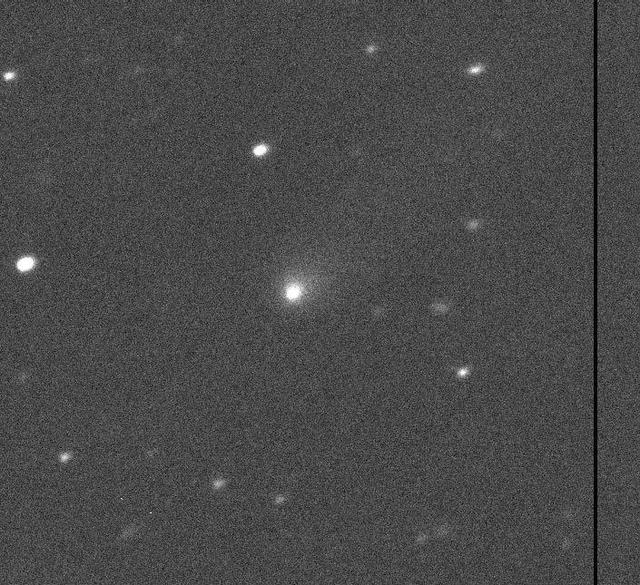
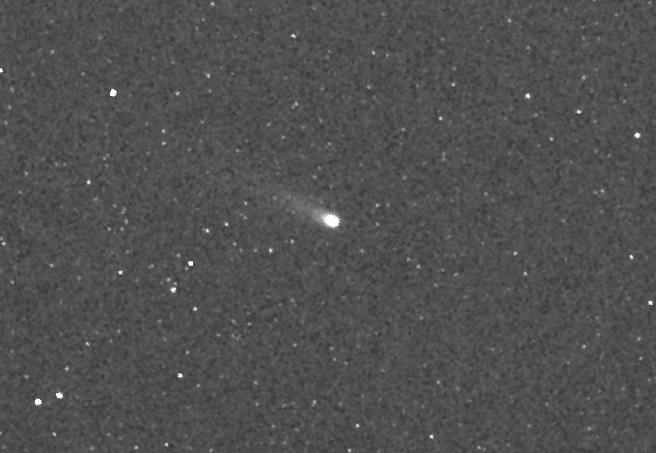
Comet C/2019 Q4 as imaged by the Canada-France-Hawaii Telescope on Hawaii's Big Island on Sept. 10, 2019. https://photojournal.jpl.nasa.gov/catalog/PIA23462

Comet NEOWISE is seen before sunrise, upper left, over Washington, Sunday, July 12, 2020. The comet was discovered by NASA’s Near-Earth Object Wide-field Infrared Survey Explorer, or NEOWISE, on March 27. Since then, the comet — called come…

KENNEDY SPACE CENTER, FLA. - In the mobile service tower on Launch Pad 17-B at Cape Canaveral Air Force Station, Fla., workers begin lowering the Deep Impact spacecraft toward the second stage of the Boeing Delta II launch vehicle below for…

KENNEDY SPACE CENTER, FLA. - At Astrotech Space Operations in Titusville, Fla., the Deep Impact spacecraft is secure in the canister for its move to Launch Pad 17-B on Cape Canaveral Air Force Station, Fla. Then, in the mobile service tow…

KENNEDY SPACE CENTER, FLA. - At Astrotech Space Operations in Titusville, Fla., technicians install a crane onto the upper canister before lifting it to install around the Deep Impact spacecraft. Once the spacecraft is completely covered,…

KENNEDY SPACE CENTER, FLA. - Boeing technicians at Astrotech Space Operations in Titusville, Fla., prepare the third stage of a Delta II rocket for mating with the Deep Impact spacecraft. When the spacecraft and third stage are mated, they…

KENNEDY SPACE CENTER, FLA. - At Astrotech Space Operations in Titusville, Fla., Boeing technicians watch as an overhead crane lifts the Deep Impact spacecraft, which is being moved for mating to the Delta II third stage. When the spacecraft…

KENNEDY SPACE CENTER, FLA. - The Deep Impact spacecraft is lifted from its transporter into the mobile service tower on Launch Pad 17-B at Cape Canaveral Air Force Station, Fla. the spacecraft will be attached to the second stage of the Bo…

KENNEDY SPACE CENTER, FLA. - The Deep Impact spacecraft arrives before dawn at the mobile service tower on Launch Pad 17-B at Cape Canaveral Air Force Station, Fla. The spacecraft will be attached to the second stage of the Boeing Delta II…
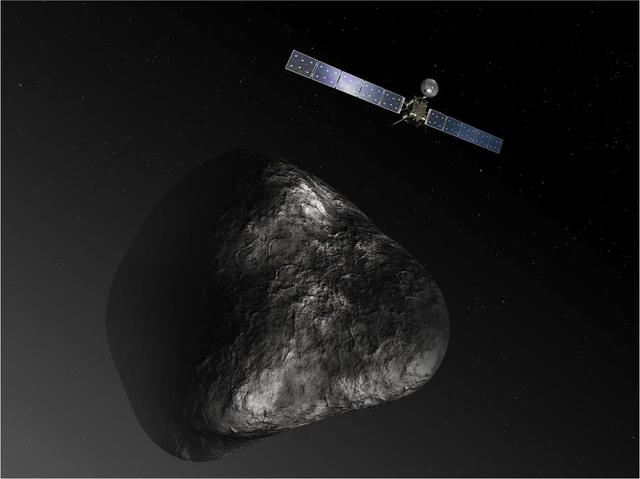
Artist impression of the Rosetta orbiter at comet 67P/Churyumova-Gerasimenko. The image is not to scale.

Three of NASA contributions to the ESA Rosetta mission are pictured here: an ultraviolet spectrometer called Alice top, the Ion and Electron Sensor IES bottom left, and the Microwave Instrument for Rosetta Orbiter MIRO bottom right.
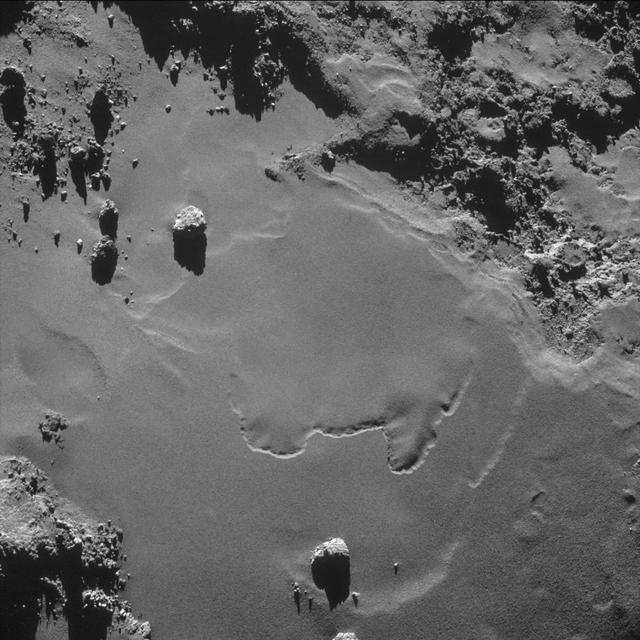
A patch of relatively smooth ground on the nucleus surface of comet 67P/Churyumov-Gerasimenko appears in this image taken by the navigation camera on the European Space Agency Rosetta spacecraft in October 2014.
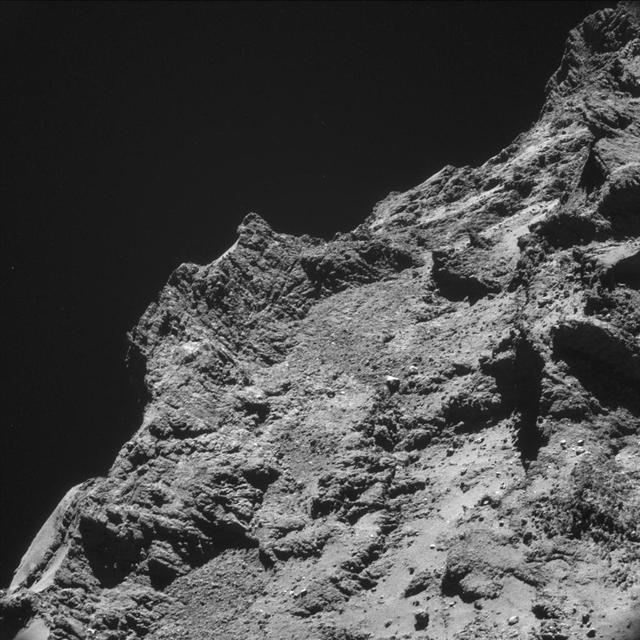
Some relatively rough terrain on the nucleus of comet 67P/Churyumov-Gerasimenko appears in this image taken by the navigation camera on the European Space Agency Rosetta spacecraft in the second half of October 2014.
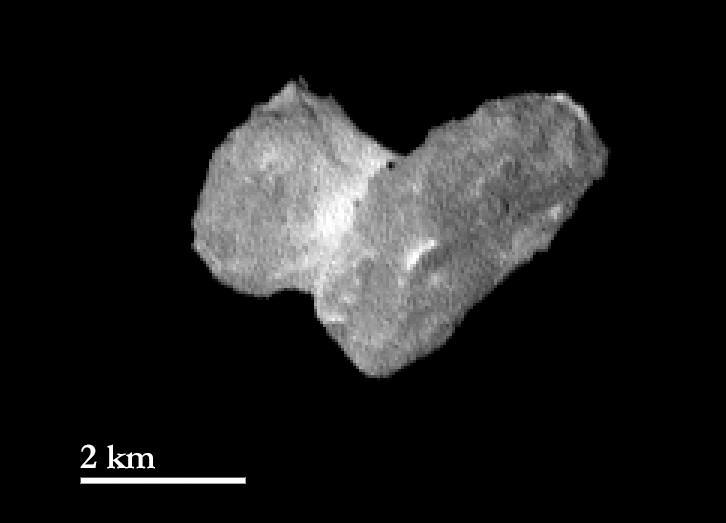
This view from the OSIRIS instrument onboard ESA Rosetta spacecraft shows the nucleus of comet 67P/Churyumov-Gerasimernko from a distance of 1,210 miles 1950 kilometers.

Image of the southern polar regions of comet 67P/Churyumov-Gerasimenko taken by Rosetta Optical, Spectroscopic, and Infrared Remote Imaging System OSIRIS on September 29, 2014, when the comet was still experiencing the long southern winter.…

Comet NEOWISE is seen before sunrise over Washington, Sunday, July 12, 2020. The comet was discovered by NASA’s Near-Earth Object Wide-field Infrared Survey Explorer, or NEOWISE, on March 27. Since then, the comet — called comet C/2020 F3 N…

KENNEDY SPACE CENTER, FLA. - At Astrotech Space Operations in Titusville, Fla., Boeing technicians place the lower segments of a protective canister around the Deep Impact spacecraft. Once the spacecraft is completely covered, it will be tr…

KENNEDY SPACE CENTER, FLA. - The Deep Impact spacecraft waits at Astrotech Space Operations in Titusville, Fla., for placement of a protective cover before the canister is installed around it. Once the spacecraft is completely covered, it w…

KENNEDY SPACE CENTER, FLA. - In the mobile service tower on Launch Pad 17-B at Cape Canaveral Air Force Station, Fla., workers watch as the protective cover surrounding the Deep Impact spacecraft is lifted away. Next the fairing will be ins…

KENNEDY SPACE CENTER, FLA. - The Deep Impact spacecraft leaves Astrotech Space Operations in Titusville, Fla., in the pre-dawn hours on a journey to Launch Pad 17-B at Cape Canaveral Air Force Station, Fla. There the spacecraft will be att…

KENNEDY SPACE CENTER, FLA. - At Astrotech Space Operations in Titusville, Fla., Boeing technicians watch as an overhead crane lowers the Deep Impact spacecraft onto the Delta II third stage for mating. When the spacecraft and third stage ar…

KENNEDY SPACE CENTER, FLA. - From a vantage point above, a worker observes the Deep Impact spacecraft exposed after removal of the canister and protective cover. Next the fairing will be installed around the spacecraft. The fairing is a mo…

KENNEDY SPACE CENTER, FLA. - At Astrotech Space Operations in Titusville, Fla., technicians lower the upper canister toward the Deep Impact spacecraft. It will be attached to the lower segments already surrounding the spacecraft. Once the…

KENNEDY SPACE CENTER, FLA. - At Astrotech Space Operations in Titusville, Fla., Boeing technicians lower a protective cover over the Deep Impact spacecraft to protect it before the canister is installed around it. Once the spacecraft is com…

KENNEDY SPACE CENTER, FLA. - At Astrotech Space Operations in Titusville, Fla., a protective cover is being lowered over the Deep Impact spacecraft to protect it before the canister is installed around it. Once the spacecraft is completely…

KENNEDY SPACE CENTER, FLA. - At Astrotech Space Operations in Titusville, Fla., Boeing technicians attach a crane to the Deep Impact spacecraft in order to move it to the Delta II third stage at left for mating. When the spacecraft and thir…
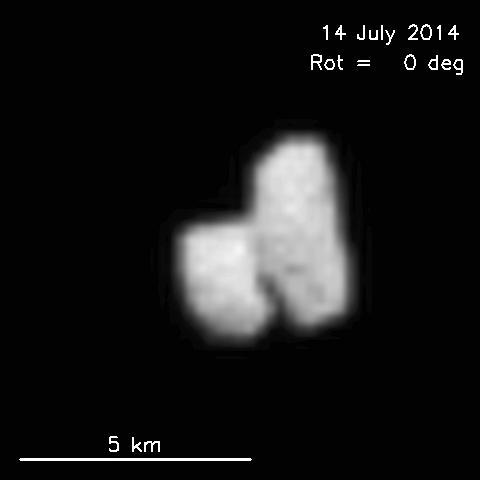
This frame from an animated sequence combined 36 interpolated images of comet 67P/Churyumov-Gerasimenko, each separated by 20 minutes. This comet is the destination for the European Space Agency Rosetta mission in 2014.

This annotated image depicts two of the five potential landing sites for ESA Rosetta mission Philae lander.
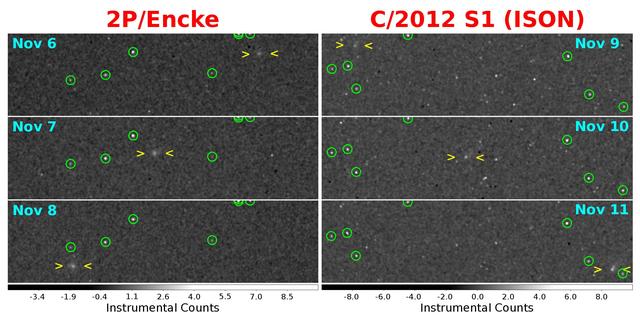
As comets C/2012 S1 ISON and the well-known short-period comet 2P/Encke both approached their closest distances to the Sun in November, 2013, they also passed close to the MESSENGER spacecraft orbiting the innermost planet Mercury.
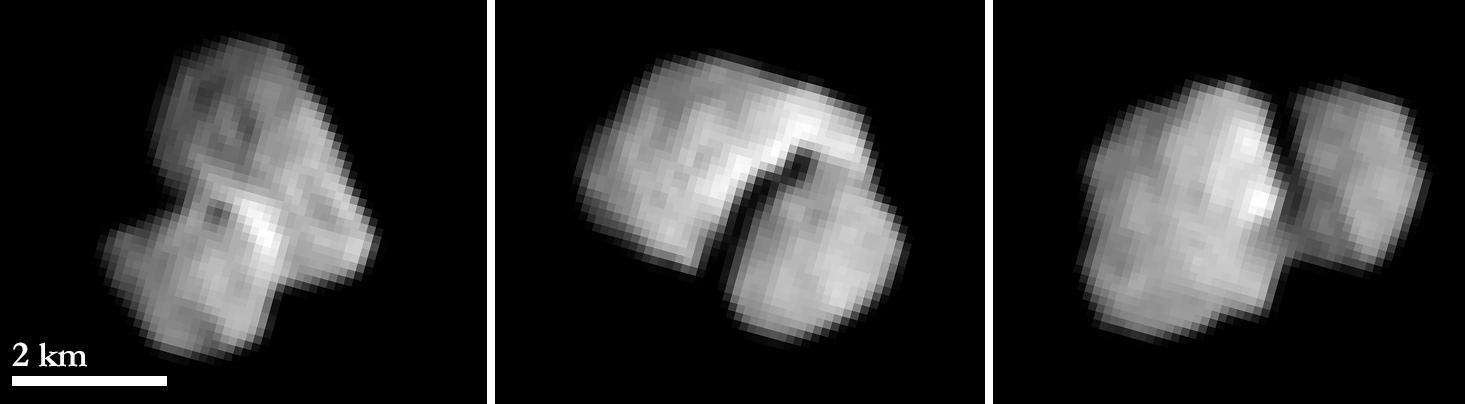
Comet 67P/Churyumov-Gerasimenko was imaged by ESA Rosetta spacecraft on July 20, 2014, from a distance of approximately 3,400 miles 5,500 kilometers. These three images were taken two hours apart.
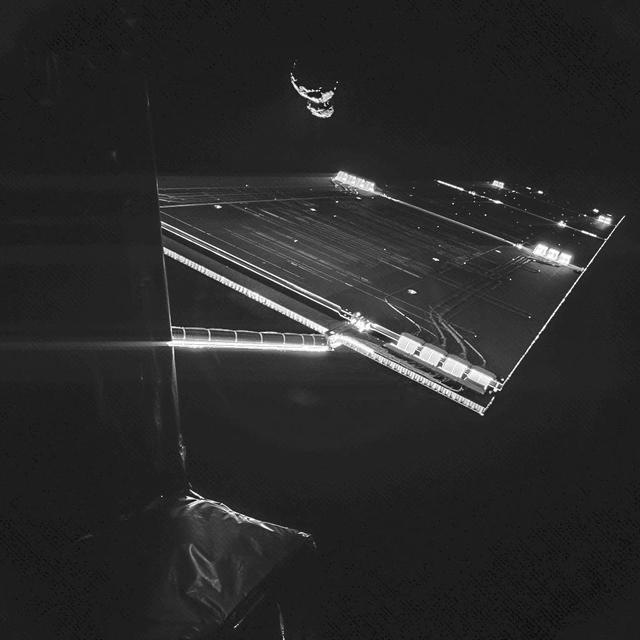
The Philae lander of the European Space Agency Rosetta mission took this self-portrait of the spacecraft on Sept. 7, 2014, at a distance of about 30 miles 50 kilometers from comet 67P/Churyumov-Gerasimenko.
An optical color image of galaxies is seen here overlaid with X-ray data magenta from NASA Nuclear Spectroscopic Telescope Array NuSTAR. Both magenta blobs show X-rays from massive black holes buried at the hearts of galaxies.

KENNEDY SPACE CENTER, FLA. - At Astrotech Space Operations in Titusville, Fla., Boeing technicians attach the upper canister with the lower segments surrounding the Deep Impact spacecraft. Once the spacecraft is completely covered, it will…

KENNEDY SPACE CENTER, FLA. - At Astrotech Space Operations in Titusville, Fla., Boeing technicians roll the Deep Impact spacecraft into another area where the upper canister can be lowered around it. Once the spacecraft is completely covere…

KENNEDY SPACE CENTER, FLA. - At Astrotech Space Operations in Titusville, Fla., technicians lower the upper canister toward the Deep Impact spacecraft. It will be attached to the lower segments already surrounding the spacecraft. Once the…

KENNEDY SPACE CENTER, FLA. - At Astrotech Space Operations in Titusville, Fla., the Deep Impact spacecraft is mated to the Boeing Delta II third stage. When the spacecraft and third stage are mated, they will be moved to Launch Pad 17-B at…
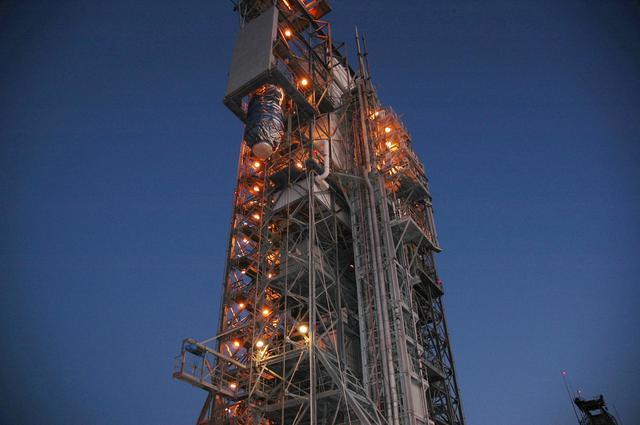
KENNEDY SPACE CENTER, FLA. - The Deep Impact spacecraft is lifted into the top of the mobile service tower on Launch Pad 17-B at Cape Canaveral Air Force Station, Fla. the spacecraft will be attached to the second stage of the Boeing Delta…

KENNEDY SPACE CENTER, FLA. - In the mobile service tower on Launch Pad 17-B at Cape Canaveral Air Force Station, Fla., workers stand by as the canister is lifted away from the Deep Impact spacecraft. Next the fairing will be installed aroun…

Comet NEOWISE is seen, upper left, before sunrise over Washington, Sunday, July 12, 2020. The comet was discovered by NASA’s Near-Earth Object Wide-field Infrared Survey Explorer, or NEOWISE, on March 27. Since then, the comet — called come…

KENNEDY SPACE CENTER, FLA. - At Astrotech Space Operations in Titusville, Fla., Boeing technicians oversee the final movement of the Deep Impact spacecraft being lowered onto the Delta II third stage for mating. When the spacecraft and thir…

KENNEDY SPACE CENTER, FLA. - In the mobile service tower on Launch Pad 17-B at Cape Canaveral Air Force Station, Fla., workers attach the third stage motor, connected to the Deep Impact spacecraft, to the spin table on the second stage of t…

KENNEDY SPACE CENTER, FLA. - At Astrotech Space Operations in Titusville, Fla., Boeing technicians oversee the final movement of the Deep Impact spacecraft being lowered onto the Delta II third stage for mating. When the spacecraft and thir…

This annotated image depicts the backup landing site Site C chosen for ESA Rosetta spacecraft Philae lander.

This image showcases changes identified in high-resolution images of Comet 67P/Churyumov-Gerasimenko during more than two years of monitoring by ESA's Rosetta spacecraft. The approximate locations of each feature are marked on the central…
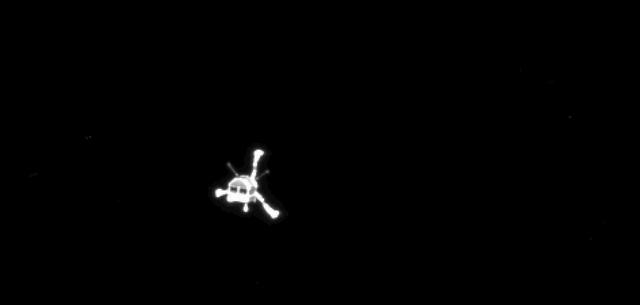
The Onboard Scientific Imaging System OSIRIS on the European Space Agency Rosetta spacecraft captured this parting shot of the mission Philae lander after its separation from the mother ship on Nov. 12, 2014.
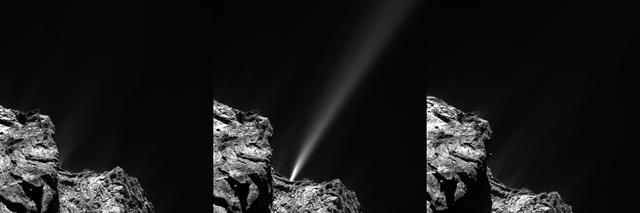
A short-lived outburst from comet 67P/Churyumov-Gerasimenko was captured by Rosetta's OSIRIS narrow-angle camera on July 29, 2015. The image at left was taken at 13:06 Greenwich Mean Time (GMT) (6:06 a.m. PDT), and does not show any visible…
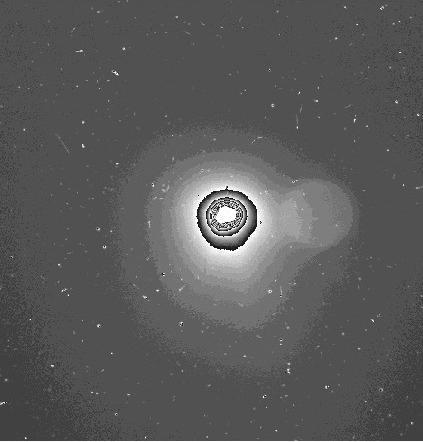
This image of the coma of comet 67P/Churyumov-Gerasimenko, seen with ESAS OSIRIS onboard the Rosetta spacecraft, shows the hazy circular structure to the right and center of the coma is an artifact due to overexposure of the nucleus.

This is a rare glance at the dark side of comet 67P/Churyumov-Gerasimenko. Light backscattered from dust particles in the comet coma reveals a hint of surface structures. This image was taken by OSIRIS, Rosetta scientific imaging system.